Africa-Press. The National Independent Electoral Commission in Madagascar announced its timeline for the transitional phase, specifying a constitutional referendum in June 2027, followed by presidential elections in October of the same year. This move marks the countdown to the end of the transitional phase that began after the fall of the former president, Andry Rajoelina, last October.
The commission revealed that its top priority is to completely rebuild the electoral register over a period of up to eleven months, by deleting all existing databases and creating a new register starting from the smallest administrative units in the country, in a project described by the commission as large and complex.
The head of the commission, Thierry Rakotonarivelo, confirmed that this process is essential to ensure the integrity of the upcoming elections, noting that the institution will adopt a new methodology based on “fully transparent operating procedures,” with the establishment of local committees for voter registration in each neighborhood, including representatives from political parties and civil society organizations.
Despite these commitments, the commission still faces a crisis of trust, given the fragility of the current transitional phase and the ongoing repercussions of the youth protests that toppled the previous government.
Rakotonarivelo stated that the commission is aware of the magnitude of the challenges, affirming that the institution “will do its utmost to restore citizens’ trust” by adhering to the applicable laws and regulations and working transparently and inclusively.
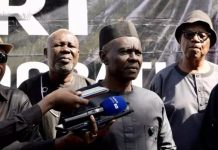
However, these statements have not alleviated the concerns of the “Generation Z” youth movement, which played a pivotal role in the protests last October. One member of the movement, named “Zo,” stated that the recent announcements from the commission “keep us on alert,” considering that reviewing the voter register and launching consultations on the electoral law represent “relatively positive steps,” but they are still insufficient in terms of the required level of transparency.
For its part, civil society organizations believe that the announced reforms do not address the core of the crisis. Honi Radert, the secretary-general of the Citizens and Civil Society Organizations Coalition, called for a comprehensive restructuring of the electoral commission, emphasizing that “changing the external appearance of the institution does not change its fundamental nature,” and what is needed is to dismantle its current structure and launch national consultations to formulate new rules for managing elections in a consensual manner.
The international community, which approved a transitional phase extending for 24 months, is watching the transitional authorities’ ability to organize free and transparent elections. The constitutional referendum scheduled for June 2027 is expected to be the first real test of this phase, ahead of the presidential elections planned for October of the same year.
In the meantime, the “Re-establishment” government led by Colonel Michael Randrianirina will face increasing pressure from public opinion, amid the continued mobilization of youth movements and rising demands for deep political and institutional reforms.