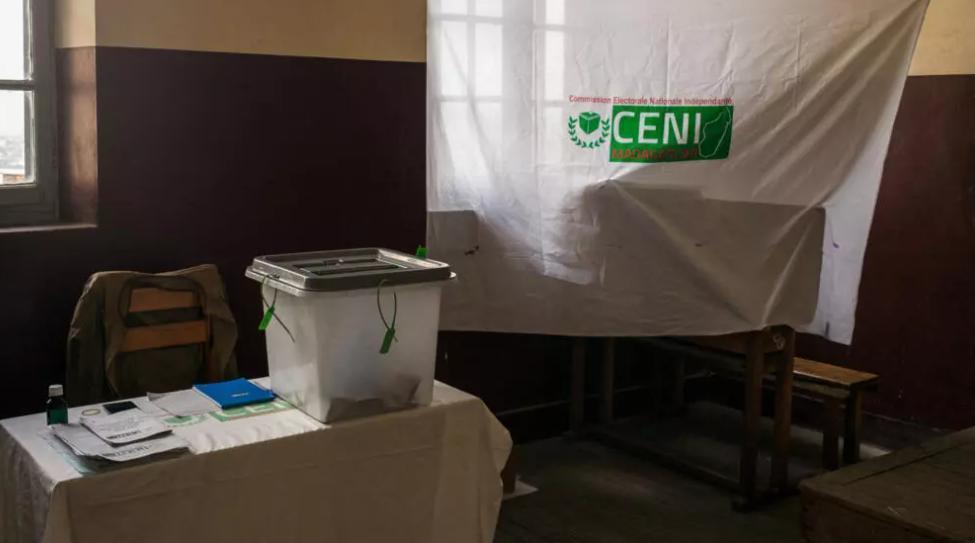
Africa-Press. The National Independent Electoral Commission in Madagascar has launched a comprehensive process to update the electoral register, a step that paves the way for a referendum on a new constitution, followed by the presidential elections scheduled for 2027.
The current electoral register includes over 14 million voters; however, it has faced widespread criticism from political parties and segments of the public in recent years due to allegations of duplicate names, identical national ID numbers, as well as what are known as “phantom voters.” The updating process is set to continue until April 2027.
The registration will be conducted through field visits by census staff to households or via local administrative offices known as “fokontany,” in addition to allowing online registration, aiming to account for all citizens who have reached the legal voting age.
The head of the National Independent Electoral Commission, Thierry Rakotonarivo, stated that the current electoral register “no longer enjoys credibility,” noting that citizens have questioned its integrity due to the repetition of voter data and millions of similar ID numbers, alongside the inclusion of non-existent voters using electoral orders.
He added that all recent elections overseen by the commission have been questioned regarding their results; however, reforming the commission itself, as well as amending the electoral law, will not occur until after the national dialogue that will determine the future of political reforms.
Rakotonarivo clarified that the current government does not have the authority to make unilateral decisions regarding the reform of the electoral system, emphasizing that this step must come based on the will of the Malagasy people, as any decision made without national consultations will lack legitimacy.
He pointed out that the commission requires additional reforms, including enhancing its financial independence, reviewing the financial guarantees imposed on candidates, and granting it broader powers in determining the election timetable. He noted that currently, the commission’s role is limited to proposing dates, while the final decision rests with the government regarding the voting date.
The head of the commission considered the recent renewal of all members of the permanent office of the National Independent Electoral Commission as a first step in the reform process of the institution.
Despite this, civil forces preparing for the national dialogue have not yet announced the start date for consultations, raising concerns about the limited time available to enact substantial reforms in the electoral management system before the presidential elections scheduled for October 2027.
Several potential presidential candidates have expressed their support for initiating a national dialogue that brings together various political forces to agree on the rules governing the upcoming electoral events, independent of the anticipated consultations.