What You Need to Know
The military government in Guinea-Bissau, led by General Horta Inta, has intensified its control over state institutions following its takeover on November 26. Recent controversial decisions, including the appointment of a new attorney general and the dissolution of the Supreme Judicial Council, have sparked widespread criticism from human rights organizations, highlighting threats to democracy in the country.
Africa. The military authority in Guinea-Bissau, led by General Horta Inta since its takeover on November 26, has tightened its grip on state institutions through a series of controversial decisions.
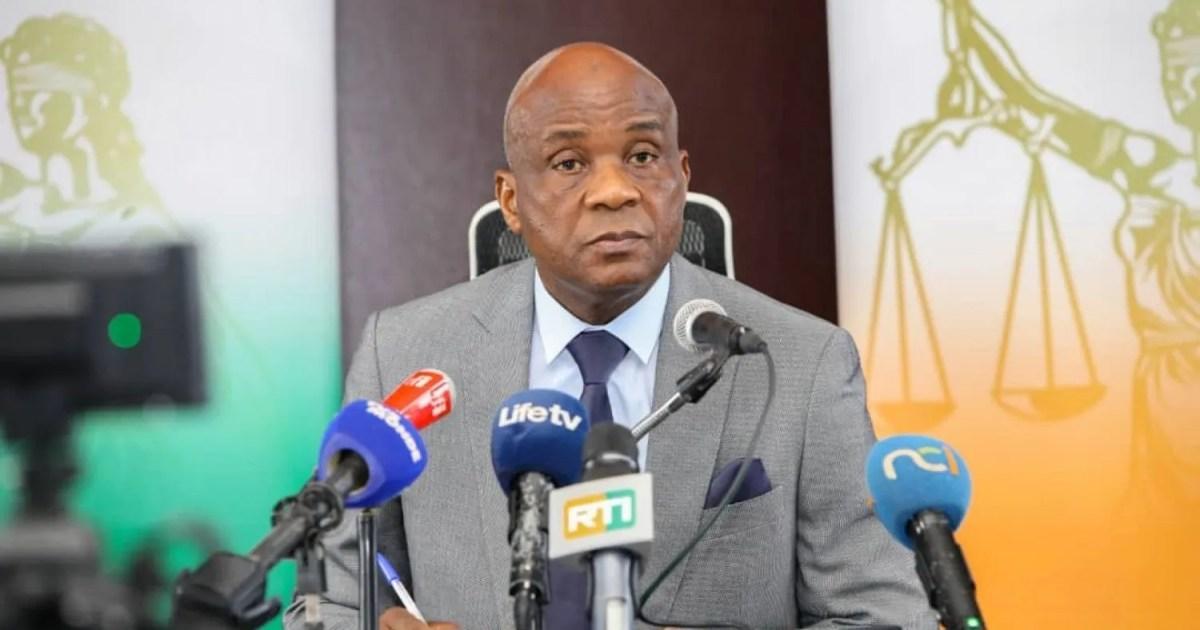
The military council announced the appointment of Ahmed Tijani Balde, the former president of the Supreme Court of Auditors under ousted President Umaro Sissoco Embaló, as the new Attorney General of the Republic last Friday.
This appointment is part of a package of measures that included the dissolution of the Superior Council of the Judiciary and the closure of the National School of Judiciary until the end of the transitional phase.
The new Attorney General has been granted unprecedented powers, including the authority to appoint his deputies and heads of courts in the country, as well as the right to transfer or dismiss them. Observers consider this a move aimed at directly subordinating the judiciary to military authority.
These measures have sparked widespread criticism from local and international human rights organizations, which described them as a “devastating blow” to the principle of separation of powers and a direct threat to the foundations of democracy in this small country located on the west coast of Africa, with a population of around two million.
Political Context
Since the military coup, the new authorities have arrested opposition leader Domingos Simões Pereira, along with several officials from the National Electoral Commission and members of the previous government, while former President Umaro Sissoco Embaló has left the country.
The military leadership has promised a transitional phase not exceeding one year, with the appointment of a new Prime Minister and the announcement of the formation of a “National Transition Council” to act as the legislative authority, without revealing its composition so far.
These developments raise questions about the future of the political process in Guinea-Bissau, especially in the absence of clear guarantees for a return to civilian rule and growing fears that the transitional phase may become a permanent entrenchment of military power over state institutions.
Guinea-Bissau has experienced a tumultuous political history marked by coups and instability since gaining independence in 1973. The recent military coup on November 26, 2022, has further complicated the political landscape, raising concerns about the future of democratic governance and civil rights in the country. The military’s actions have drawn international scrutiny, with calls for a return to civilian rule and respect for democratic principles.