Africa-Press. New laws regarding cybersecurity and the fight against cybercrime in Zambia have raised widespread concerns within media and human rights circles, just under three months before the presidential elections scheduled for August 13, 2026.
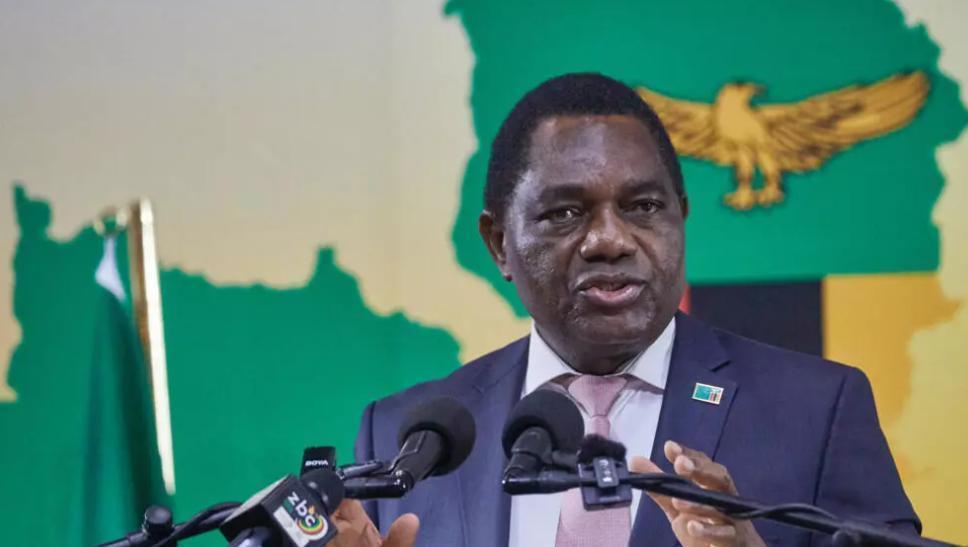
The Zambian parliament passed these laws last April, and they were immediately ratified by Zambian President Hakainde Hichilema, with government assurances that their aim is to combat online fraud, internet abuse, fake accounts, and digital harassment.
However, many independent media outlets and organizations advocating for freedom of expression believe that some provisions of these laws are vague and could be used to restrict dissenting voices and encourage self-censorship, especially with the upcoming electoral deadline.
This legislative shift has alarmed several journalists, including Joseph Mwenda, editor of the independent newspaper “News Diggers,” who argued that the authorities have re-imposed restrictions on the media in a different form, after Hichilema had previously abolished the crime of defaming the head of state, which had been used for years to silence opponents.
Mwenda stated that the new cybersecurity law grants police and law enforcement agencies broad powers to conduct searches and raids on homes merely on suspicion of possessing information related to national security, adding that some criticisms could be interpreted as “cybercrimes.”
Austin Kayanza, director of the Media Institute of Southern Africa in Zambia, expressed concern over the vague wording within the law, pointing to a provision that imposes a penalty of up to 25 years in prison for those who possess “too much information,” without providing a clear definition of this term, which he believes opens the door to targeting anyone.
Charles Mafa, founder of the independent “Makandi” investigative journalism center, confirmed that journalists have become more cautious in choosing the topics they cover, particularly political and electoral issues, out of fear of legal repercussions.
He added that the climate of fear is no longer limited to journalists but has extended to ordinary citizens, who are now hesitant to express their political opinions online for fear of prosecution or imprisonment.
Conversely, the Zambian government insists that these laws are necessary to protect the digital space and enhance cybersecurity, although independent media institutions believe they could be directly used against online journalism, which represents an essential part of the media landscape in the country.