Africa-Press. Niger has officially submitted a request to withdraw from the International Criminal Court, following nine months since announcing this step alongside its allies Mali and Burkina Faso, considering it a “new tool of colonial repression in the hands of imperialism.”
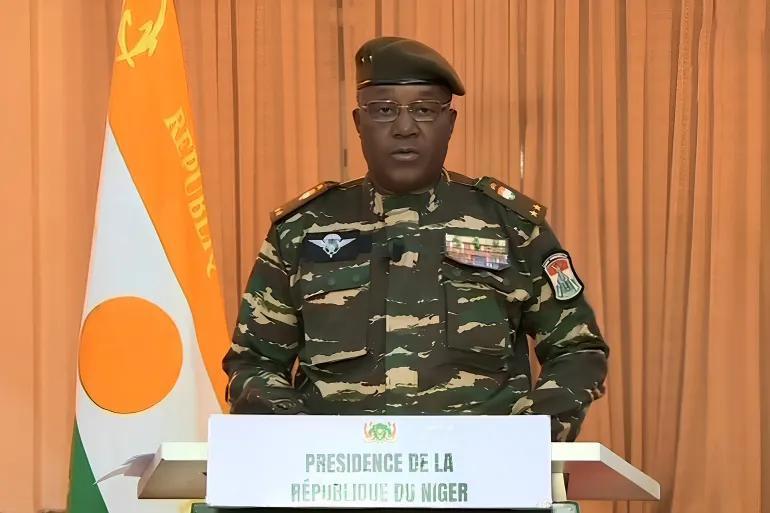
The International Criminal Court confirmed on Tuesday that it received a “withdrawal document” from Niger on June 18, which is led by Abdrahmane Tiani as head of its military council. The court clarified that the request will take effect on June 18, 2027, one year after notifying the court.
The court stated on Tuesday that it received the “withdrawal document” from Niger, which is led by Abdrahmane Tiani as head of its military council.
Niger has formally submitted its withdrawal request from the International Criminal Court, as announced by the court, after nine months of announcing this step with its allies Mali and Burkina Faso.
These countries announced their withdrawal from the International Criminal Court in September of last year, considering it a “new tool of colonial repression in the hands of imperialism.”
The three countries located in the Sahel region are governed by military governments that came to power through coups between 2020 and 2023 after the deterioration of the security, political, and economic situation of pro-Western governments over more than two decades.
The court clarified that the request will take effect on June 18, 2027, one year after notifying the court. The statement emphasized the necessity for Niger to fulfill its obligations to the court until that date.
The International Criminal Court stated in its announcement: “While joining or withdrawing from treaties remains a sovereign right of states under international law, we regret any decision to withdraw from the collective effort to end impunity for the most serious international crimes.”
The statement from the International Criminal Court did not mention Mali or Burkina Faso. These three countries are facing violent acts carried out by armed groups linked to Al-Qaeda and ISIS, as well as Western security forces.
The International Criminal Court was established in 2002, with the mission to prosecute those responsible for the most serious crimes, such as war crimes, when states lack the will or ability to do so on their own.
The court currently has 125 member states. Notably, the United States and Israel are not among these countries.