What You Need to Know
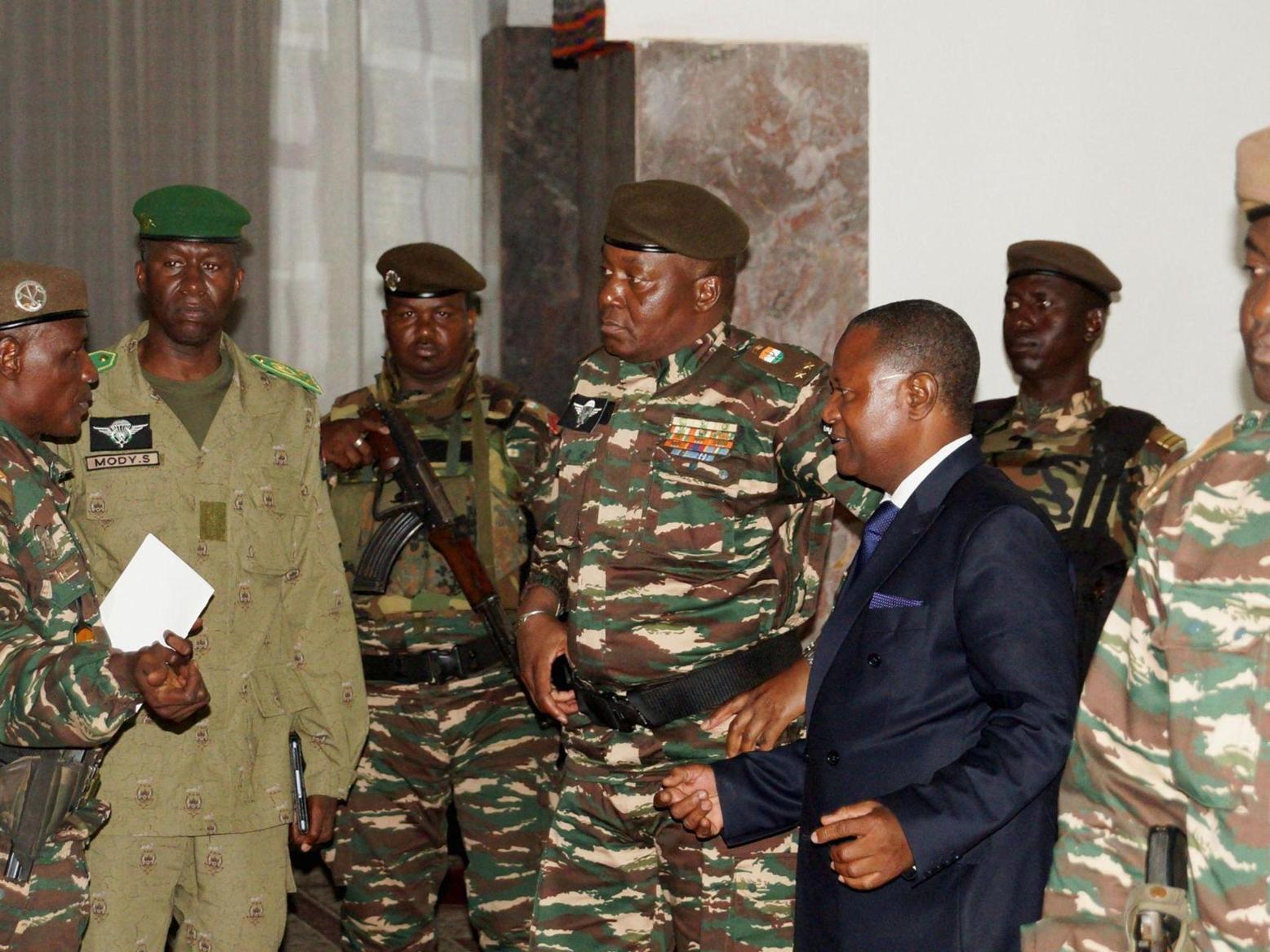
The military government in Niger has declared a general mobilization to combat what it describes as a long-standing insurgency by armed groups. This decision aims to safeguard national territory and protect citizens, state institutions, and vital interests from internal and external threats.
Africa. The military council governing Niger has declared a general mobilization to combat what it describes as a long-standing insurgency by armed groups in the country.
The Nigerien government, led by the military council, stated in a release following a cabinet meeting that these measures are primarily driven by the “necessity to preserve the integrity of national territory and protect the population,” as well as “state institutions and vital interests from any internal or external threat.”
It emphasized that “individuals, property, and services may be mobilized during the general mobilization to contribute to the defense of the homeland, in accordance with existing legislation and laws.”
This mobilization plan comes five years after Niger doubled the size of its army to 50,000 soldiers and raised the retirement age for officers from 47 to 52 years.
The government is also urging citizens to make voluntary contributions to a fund established in 2023 to finance the purchase of military equipment and agricultural projects.
Shortly after taking power, the military council requested the withdrawal of French and American forces that had been fighting armed groups, particularly in the western part of the country.
Niger, along with Mali and Burkina Faso—all governed by military councils—has established a joint force of 5,000 soldiers to combat armed groups.
Since the ousting of democratically elected President Mohamed Bazoum in a coup in July 2023, the military council in Niger has faced escalating attacks from armed Islamist groups on multiple fronts.
The country has suffered from violent attacks by armed groups linked to Al-Qaeda and ISIS for about ten years, resulting in nearly 2,000 deaths since the beginning of the year, according to the Armed Conflict Location & Event Data Project, a non-governmental organization that monitors conflicts.
Additionally, areas in the southeast of the country are facing attacks from Boko Haram and the Islamic State West Africa Province.
Niger has faced increasing violence from armed groups linked to Al-Qaeda and ISIS over the past decade, resulting in thousands of deaths. The situation escalated following the military coup in July 2023 that ousted democratically elected President Mohamed Bazoum. In response to the growing threat, the military government has sought to bolster its defense capabilities and has called for the withdrawal of French and American forces that were previously engaged in counter-terrorism operations in the region.