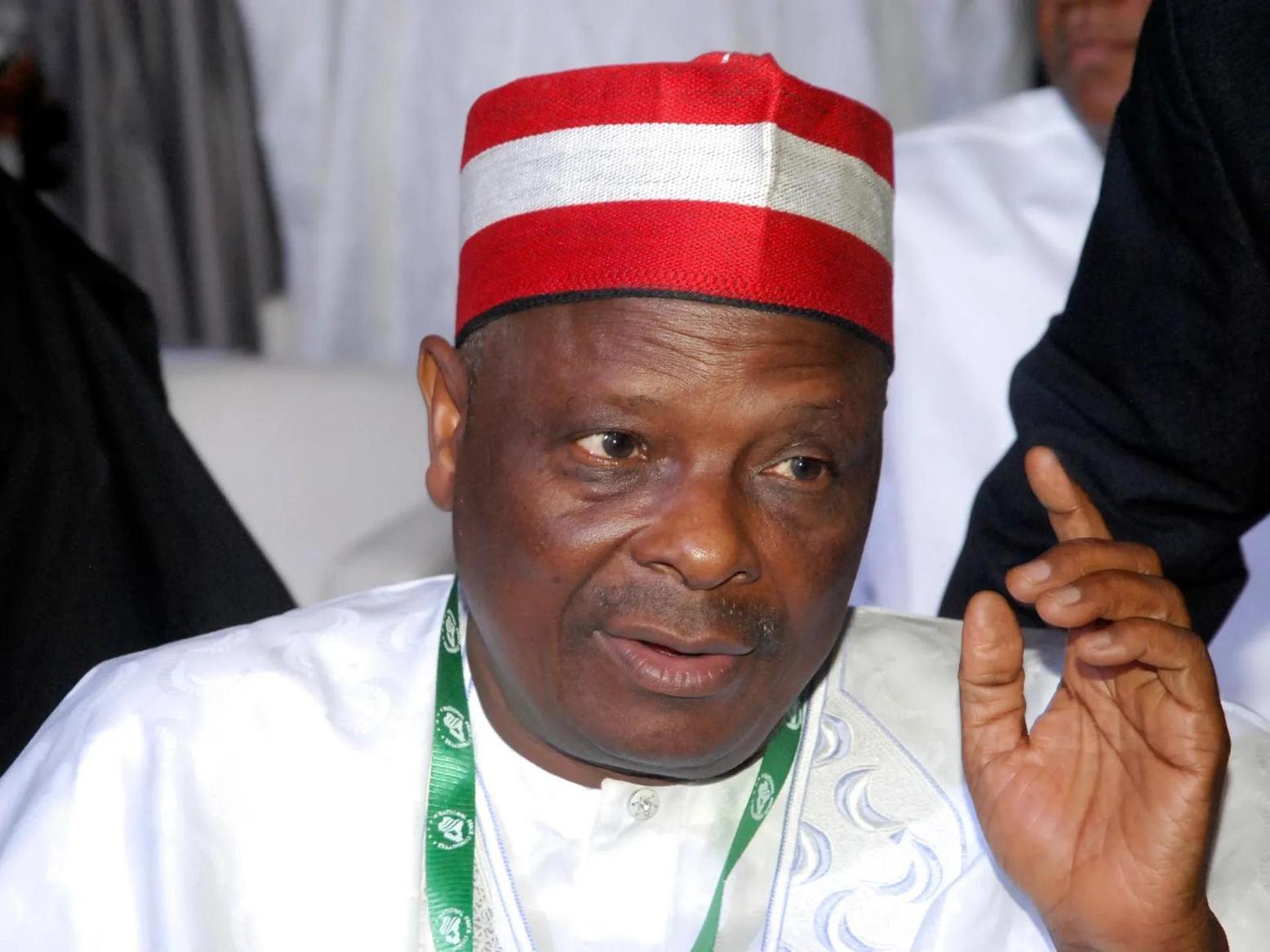
Africa-Press. Nigeria’s Kwankwasiyya movement has urged the U.S. Congress to remove the name of its leader, former Kano State governor Rabiu Musa Kwankwaso, from a bill that accuses him of violations related to religious freedom.
In a statement, the movement said the allegations in the proposed “Nigeria Religious Freedom and Accountability Act of 2026” are misleading, unfounded, and inconsistent with Kwankwaso’s public record and political career.
It said its leader has never been convicted or prosecuted on charges of religious persecution, extremism, or human rights abuses, arguing that listing his name in the U.S. bill raises questions about the initiative’s credibility.
The movement said targeting him over the introduction of a Sharia-based penal code during his tenure in Kano—while similar constitutional arrangements exist in other states—reflects “double standards.”
It added that it is unreasonable to misread Nigeria’s plural legal system while Washington maintains diplomatic and strategic relations with other countries that apply Islamic Sharia.
The statement noted that Kwankwaso’s 2023 presidential run alongside Bishop Isaac Idahosa demonstrates his “firm belief in religious pluralism and national balance.” The movement called on the U.S. Congress to reject the recommendation entirely.
It argued that including Kwankwaso’s name may stem from personal grudges or political competition, stressing that such accusations should be based on proven facts, not broad assumptions.
The call comes as the U.S. Congress has proposed travel bans and asset freezes targeting Kwankwaso, along with members of the Miyetti Allah cattle breeders’ associations and other Fulani groups, as part of pressure aimed at pushing Nigeria’s government to stop what was described as “persecution of Christians.”
Kwankwasiyya is regarded as one of the most influential political and social forces in northern Nigeria, particularly in Kano State.
The movement revolves around Rabiu Musa Kwankwaso, a former Kano governor and ex-defense minister. It began as a current within the People’s Democratic Party (PDP) before becoming the backbone of the New Nigeria People’s Party (NNPP).