What You Need to Know
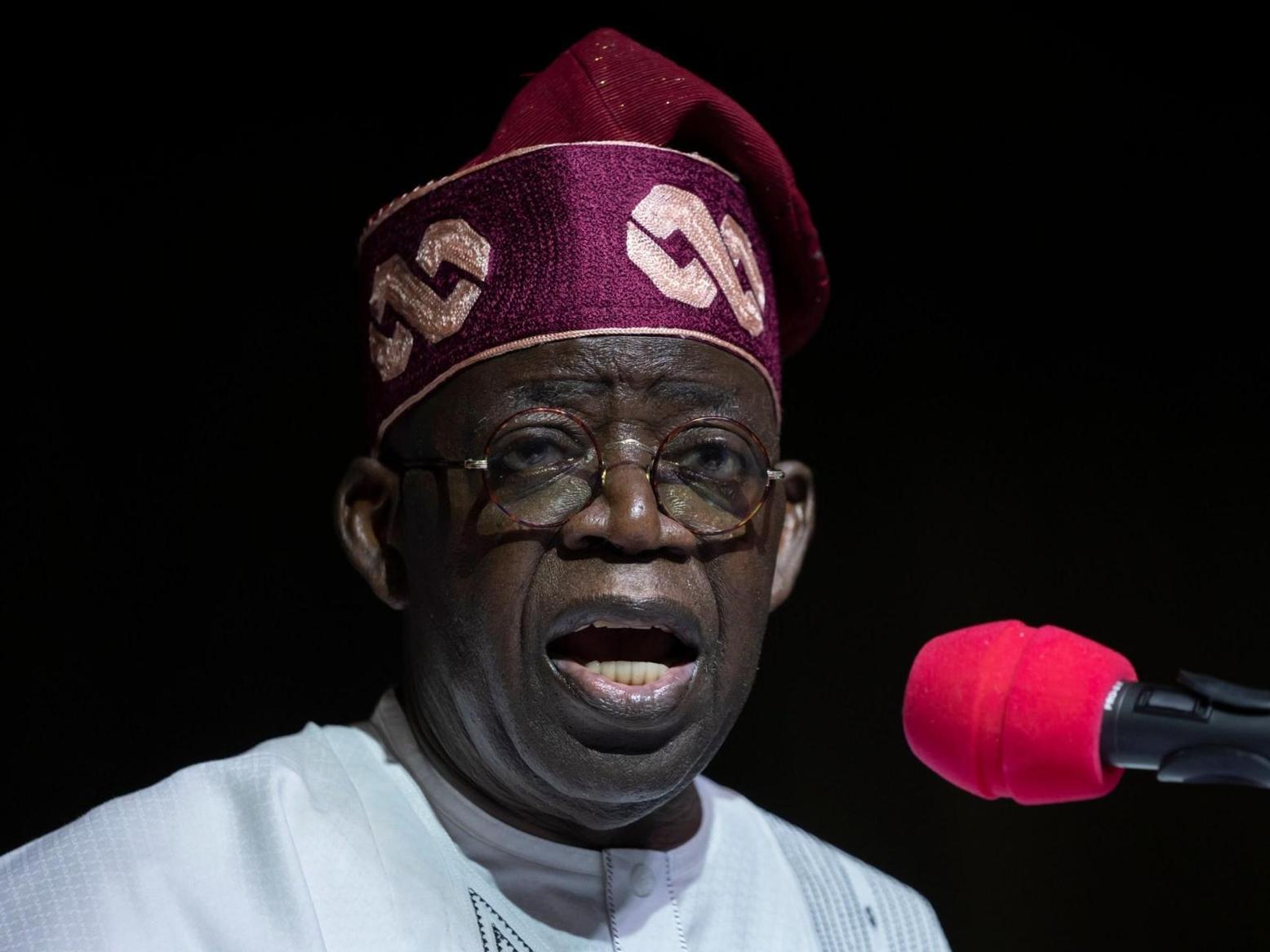
The Nigerian opposition party, the African Democratic Congress, has condemned President Bola Ahmed Tinubu’s decision to cancel debts owed by the Nigerian National Petroleum Company. They argue that this move is unconstitutional and financially detrimental to states and local governments, raising concerns about its implications for the national economy.
Africa. The Nigerian opposition party, the African Democratic Congress, has condemned President Bola Ahmed Tinubu’s decision to cancel the debts owed by the Nigerian National Petroleum Company, arguing that the move is unconstitutional and financially detrimental to states and local governments.
In a statement issued by the party’s national spokesperson, Malam Bolaji Abdullahi, it was clarified that approximately 96% of the debts denominated in dollars and 88% of the debts in naira were erased by executive order without legislative approval, in clear violation of Article 162 of the country’s constitution.
The party accused President Tinubu of repeatedly violating the constitution, while also criticizing the National Assembly’s silence regarding what they termed a “serious violation of constitutional provisions.” They added that this development raises significant concerns, warning of its negative implications for the national economy.
The party emphasized that the justification for the settlement cannot override the constitutional requirements for revenue distribution, noting that this step reduces the financial base constitutionally allocated to states and local governments.
Details of the Decision
The president approved the cancellation of old debts recorded against the company, which include obligations arising from production-sharing contracts, local supply requirements, royalties, and other accumulated balances.
According to official documents, the decision involved the cancellation of approximately $1.42 billion and 5.57 trillion naira in debts following a settlement with regulatory bodies, concerning obligations accumulated until December 31, 2024.
This controversy arises at a time when Nigeria faces increasing economic challenges, amid discussions about the management and distribution of oil resources among various levels of government, making the decision to cancel debts a source of significant political and constitutional division.
Nigeria has long faced challenges related to its oil sector, which is a significant part of its economy. The management of oil resources and the distribution of revenues among different levels of government have been contentious issues, often leading to political disputes. The recent decision to cancel debts owed by the national oil company has reignited debates about fiscal responsibility and constitutional adherence in the country.