What You Need to Know
Ovira, in Eastern Democratic Republic of Congo, experiences temporary stability following violent clashes between Congolese armed forces and M23 rebels. Despite military airstrikes targeting rebel positions, local residents remain anxious and businesses are limited, reflecting a disconnect between political statements and the on-ground reality.
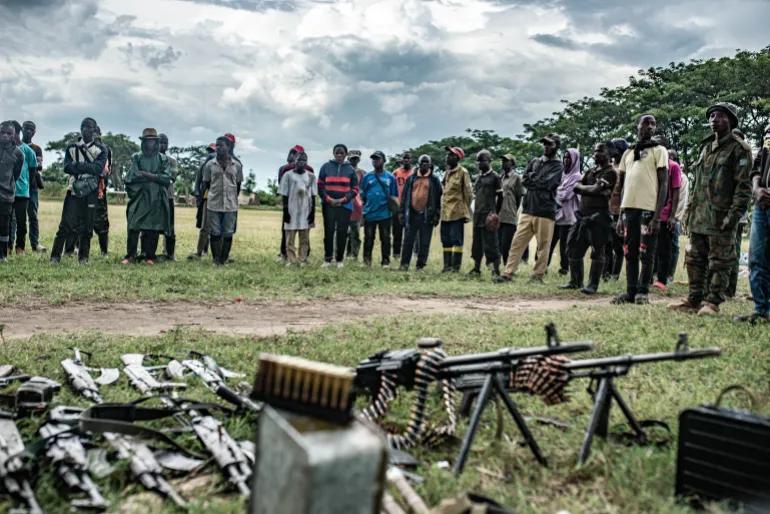
Africa. Ovira, located in the eastern Democratic Republic of Congo, has experienced a temporary state of stability following days of violent clashes between the Congolese armed forces and the M23 rebels, who are supported by their Rwandan allies, according to local sources.
Despite the Congolese army conducting airstrikes targeting rebel positions in Kalondo, Katongo, and Rutimba—areas that were previously bases for the United Nations mission (MONUSCO) and have now become the command center for the M23—the group has yet to issue any official statement. This silence is unusual for a group that typically issues prompt communications to the international public, reinforcing the impression that their earlier announcement of withdrawal was more of a media maneuver than a genuine tactical step.
According to media reports, residents of Ovira continue to live in a state of anxiety and paralysis, even ten days after the M23 announced its withdrawal from the city. Business activities remain limited, and many people have stayed home out of fear of renewed clashes. This tension highlights a clear gap between political rhetoric and the on-ground reality, as locals have not observed any tangible improvement in security conditions.
Parallel Information War
Digital platforms linked to the M23 and its allies have circulated claims about the downing of a Congolese military aircraft, a narrative that gained traction on Friday but remains unverified. Observers note that military operations in eastern Congo are intertwined with an ongoing information war, where rumors, unverified statements, and strategic silence play significant roles in shaping the balance of power.
Fragile Situation and Uncertain Future
As this multifaceted conflict continues, the city of Ovira and its residents face a fragile and unstable security situation, where airstrikes intersect with public fears and media narrative wars. This scenario underscores that the crisis in eastern Congo extends beyond battlefield confrontations, evolving into a long-term test of the population’s trust in the state’s ability to protect them.
The Democratic Republic of Congo has faced ongoing conflict since the late 1990s, with various armed groups vying for control over resources and territory. The M23 rebel group, formed in 2012, has been accused of receiving support from neighboring Rwanda, complicating the security situation in the region. The international community has been involved in peacekeeping efforts, yet stability remains elusive, with local populations often caught in the crossfire of military operations and political maneuvering.