Africa-Press. Ugandan Defence Forces commander Muhoozi Kainerugaba has announced that Uganda plans to withdraw its troops taking part in peacekeeping operations in Somalia, after nearly two decades of deployment under African Union missions.
In a statement posted Monday on the X platform, Kainerugaba said: “After 19 years in Somalia, we intend to fully withdraw from that country soon,” signalling a possible shift in Uganda’s longstanding role within the African Union mission.
However, neither Uganda’s Ministry of Defence nor the army leadership has so far issued an official statement confirming the withdrawal, leaving uncertainty over whether the army chief’s comments — he is also the son of the Ugandan president — reflect an adopted government policy or merely an initial stance.
Key role since 2007
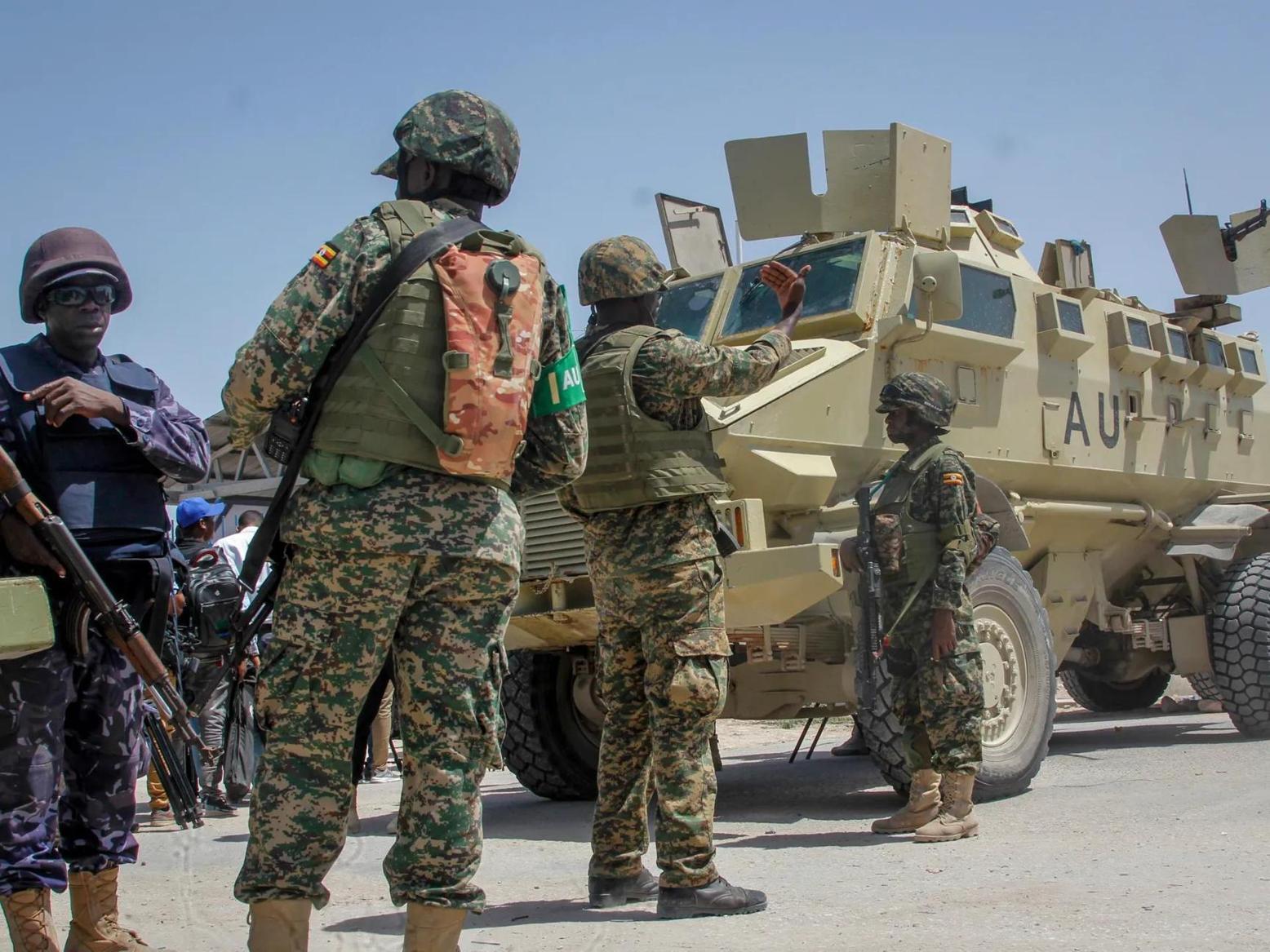
Uganda has been one of the largest and longest-serving contributors to peacekeeping in Somalia. It deployed its first military units in 2007 to support the transitional government and confront Al-Shabaab. Since then, Ugandan forces have secured strategic sites in Mogadishu and taken part in joint operations against armed groups.
In 2022, the African Union Mission in Somalia (AMISOM) transitioned into the African Union Transition Mission in Somalia (ATMIS), intended to gradually transfer security responsibilities to Somali forces through a phased drawdown of foreign troops. Over the years, Uganda has deployed thousands of soldiers in rotating cycles, many of whom have faced repeated attacks from Al-Shabaab.
Despite security challenges and casualties, Kampala has remained committed to supporting Somalia’s stabilization and regional security, alongside other contributing countries and international partners.
However, Kainerugaba’s remarks raise questions about the readiness of Somali forces to assume full security responsibility, at a time when ATMIS troop reductions continue according to a timetable agreed with the African Union and the United Nations.