
What You Need to Know
Benin has completed voting in its legislative and municipal elections, with around 9 million voters participating. The elections were organized following a failed coup attempt against President Patrice Talon. Vote counting has commenced, and results are anticipated next week, as the country prepares for presidential elections in April.
Africa. Benin’s residents completed their voting today, Sunday, in legislative and municipal elections that called upon nearly 9 million voters. This election was organized a month after a coup attempt against President Patrice Talon, led by a few military personnel on December 7, which was thwarted on the same day.
Polling stations closed at 5 PM local time (4 PM GMT), and the counting process began in the presence of party representatives, observers from various organizations, and voters. Results are expected to be announced within the next week.
The President of the National Independent Electoral Commission, Saka Lafi, stated that “all measures are being taken to ensure a free, transparent, and secure vote. No political ambition can justify violence or jeopardize national unity, which is a fundamental pillar for the country’s development.”
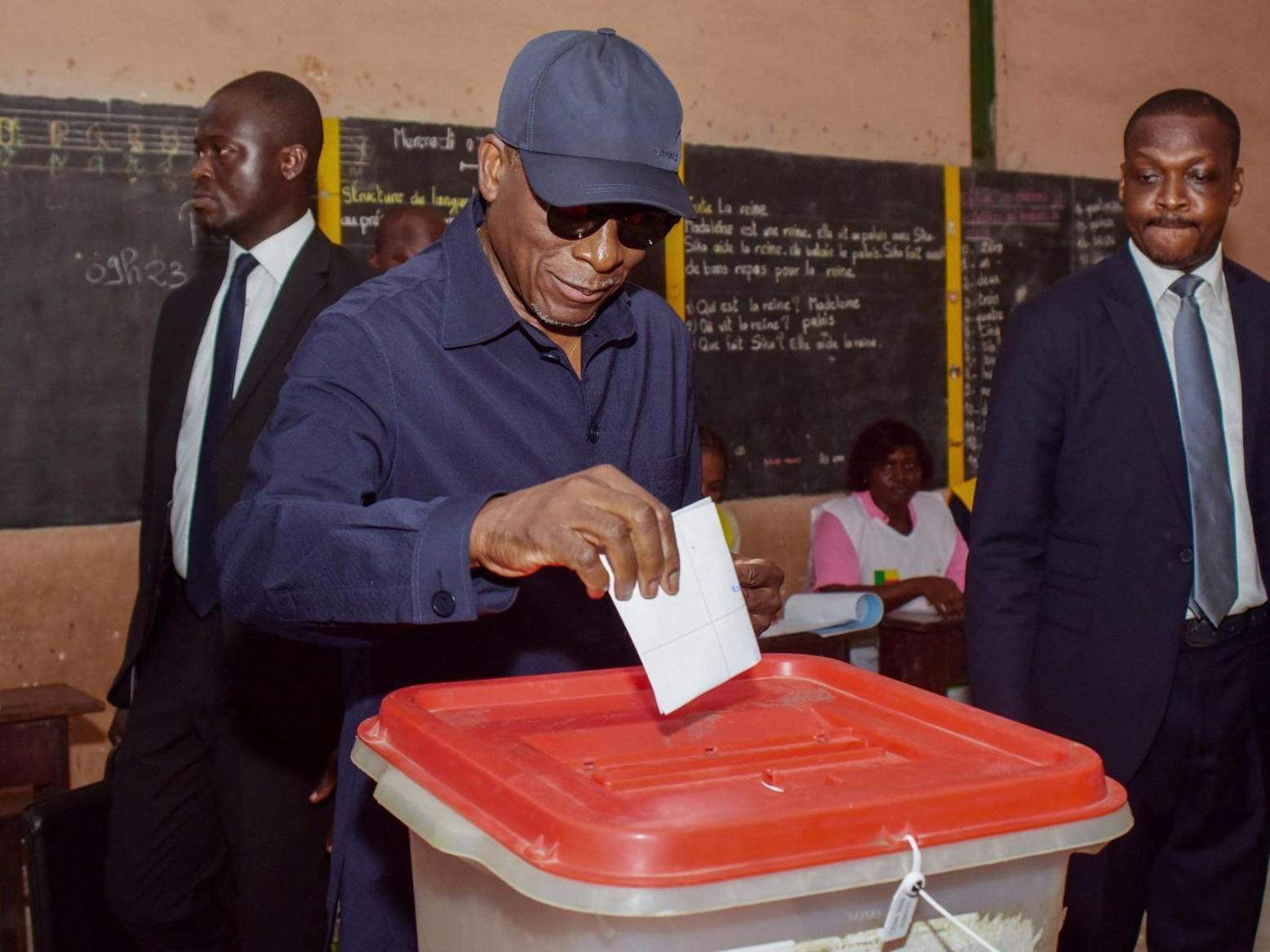
The coup attempt did not affect the continuity of the state or the scheduling of elections. The atmosphere on election day was calm, with President Talon casting his vote in the morning. He remarked, “Everything is going well; let everyone fulfill their duty until the end of the day. Today marks the beginning of a better life.”
Voters selected 109 deputies to form the National Assembly and municipal council members. The ruling coalition, composed of three parties, hopes to strengthen its current majority, which holds 81 seats compared to 28 seats for the main opposition party, the Democrats.
This election is the only one in which the Democrats are participating, as their nominations for the municipal elections were rejected, along with their candidates for the presidential elections scheduled for April, due to insufficient support.
The main challenge for this party, which has experienced internal divisions in recent months, is to reach the 20% threshold in each of the 24 electoral constituencies, a prerequisite for obtaining seats in the National Assembly.
It is noteworthy that the previous legislative elections saw low turnout, with participation at 27% in 2019, rising to 37% in 2023.
Benin is preparing for presidential elections in April, with Finance Minister Romuald Wadagni considered the frontrunner, while current President Patrice Talon will hand over power. During his ten years in office, the country has experienced economic growth, although critics point to restrictions on political space and public freedoms.
Benin has a history of political instability, with several coups since its transition to democracy in the 1990s. The recent coup attempt in December 2023 highlighted ongoing tensions within the political landscape. Despite these challenges, Benin has made strides in economic development under President Patrice Talon, who has been in power for a decade. However, critics argue that his administration has restricted political freedoms and civil liberties, raising concerns about the health of democracy in the country.