Africa-Press. The Zambian government has expressed its opposition to the United States’ attempt to link health funding to access to critical minerals, revealing for the first time the reasons behind the stalled negotiations with Washington regarding two proposed agreements.
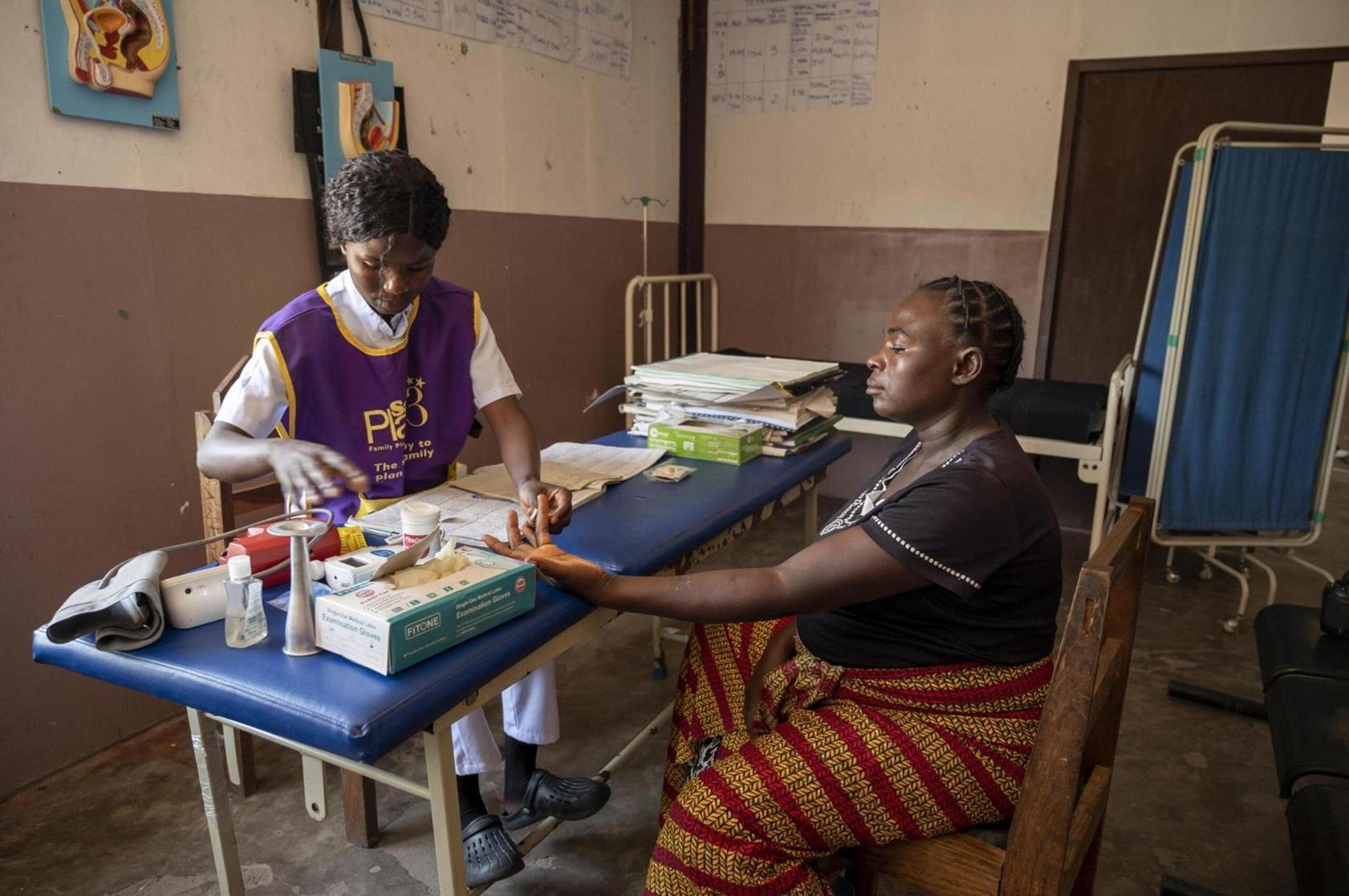
Zambian Foreign Minister Mulambo Haimbi stated that the United States offered support of up to $2 billion over the next five years in a proposed health agreement, but some terms related to data sharing violate the Zambians’ right to privacy.
Haimbi pointed out Zambia’s objections to the content of the proposed critical minerals agreement. He added in a statement: “Another concern… is the linking of the proposed agreements and frameworks to each other, making the signing of the critical minerals agreement conditional on the signing of the health memorandum of understanding.”
He continued: “The Zambian government has always emphasized the need to consider each agreement on its own merits.” He did not specify the type of health data requested by the United States.
Regarding the critical minerals agreement, he stated that Zambia is hesitant to accept its terms due to the insistence on granting U.S. companies preferential treatment. The U.S. State Department has stated that it does not disclose details of bilateral negotiations.
Health advocates have warned that the proposed health agreement links funding to access to mining areas and involves risks related to data sharing, but the Zambian government has previously stated that some of its terms do not align with the country’s interests.
Several African countries have signed memorandums of understanding representing the Trump administration’s new approach to foreign aid. Ghana and Zimbabwe have rejected these memorandums due to their demands for data sharing.
Haimbi’s statement was in response to criticism from outgoing U.S. Ambassador Michael Gonzales, who accused Zambia of failing to engage in the health funding offer, a claim Haimbi denied.