What You Need to Know
A statement from the Ethiopian Foreign Ministry accusing Egypt of clinging to a colonial mindset has sparked widespread debate among activists on social media. The statement claims that repeated remarks from Egyptian officials reflect a failure to adapt to 21st-century realities and assert exclusive rights to Nile waters based on outdated treaties.
Africa. A statement from the Ethiopian Foreign Ministry accusing Egypt of clinging to a colonial mindset has sparked widespread debate among activists on social media.
The statement claims that repeated remarks from Egyptian officials reflect a failure to adapt to 21st-century realities and assert exclusive rights to Nile waters based on outdated treaties.
The Ethiopian Foreign Ministry believes that Egyptian officials think their country has “exclusive rights to Nile waters based on old treaties,” claiming historical rights that have no basis.
The statement adds that the remarks from Egyptian officials include “a complete rejection of dialogue and veiled threats, both direct and indirect.”
Ethiopia accused Egypt of pursuing a policy aimed at keeping the Horn of Africa countries weak and fragmented to serve its interests, attempting to destabilize the region, particularly in Ethiopia.
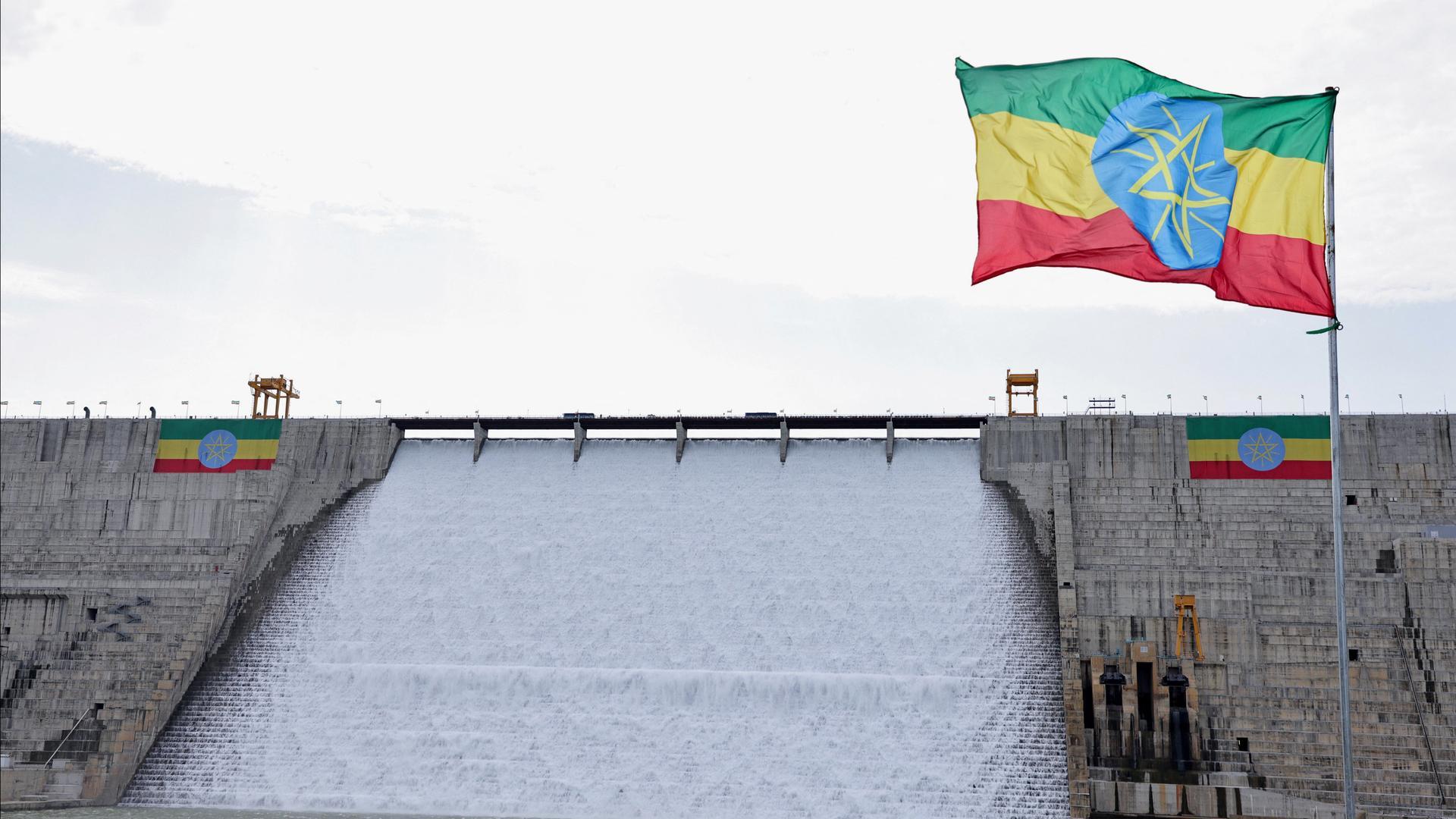
It is noteworthy that Egypt opposes the operation mechanism of the Grand Ethiopian Renaissance Dam (GERD) and insists on maintaining its share of Nile waters, which is based on agreements signed with Sudan in 1959.
The Ethiopian statement has sparked extensive debate among activists from both countries, with varying interpretations and readings of the statement’s background and implications.
Egyptian bloggers considered the Ethiopian statement “an affront to all bounds of decorum and wisdom, and a departure from diplomatic norms,” noting that it includes “an attack on Egypt’s position in defending its right to Nile waters, rejecting Ethiopian control, and not recognizing international agreements.”
They added that the statement’s accusation of the Egyptian government seeking to destabilize the Horn of Africa represents “overreach and falsehood,” considering it a continuation of the rhetoric adopted by Ethiopia in an attempt to win domestic public opinion.
Other bloggers viewed the Ethiopian statement as relying on “a deliberate mixing of facts,” asserting that Egypt has not rejected the principle of development in Ethiopia but demands clear guarantees to prevent harm to its water share.
They pointed out that Cairo has participated in lengthy negotiations over the years and has offered – according to them – “flexible proposals” to achieve a consensus that guarantees the rights of all parties, considering Addis Ababa’s disregard for these efforts reflects “a determination to impose a fait accompli” regarding the dam issue.
Some expressed concerns that the Ethiopian rhetoric could lead to increased regional tensions instead of pushing for sustainable diplomatic solutions.
Conversely, Ethiopian bloggers considered the statement a “suitable response” from Ethiopia, affirming their right to manage their natural resources within their borders without needing permission from any external party.
One wrote: “We thank the Ethiopian Foreign Ministry for this bold stance towards Egypt, which remains committed to colonial treaties. There is no place in Ethiopia for old ideas; this is the 21st century.”
Others noted that the statement was issued at an opportune time, considering that genuine cooperation among countries is necessary for a comprehensive peaceful resolution, emphasizing Ethiopia’s full right to use its natural resources, describing the statement as “the ideal response.”
A group of Ethiopian comments stated that Addis Ababa will continue to develop its water resources and infrastructure related to the GERD without any external interference, and that any attempts to pressure it contradict national sovereignty and its legal rights.
They affirmed that Ethiopia is committed to the principle of fair and reasonable use of water according to international laws, and that enhancing development in the country will not come at the expense of the rights of any other state, but will not be under the control of any external party.
The Nile River has been a source of contention among the countries it traverses, particularly between Egypt and Ethiopia. Egypt has historically relied on the Nile for its water supply, while Ethiopia has sought to harness the river’s resources for development, particularly through the Grand Ethiopian Renaissance Dam (GERD). The tensions surrounding water rights have been exacerbated by differing interpretations of historical treaties and the need for equitable resource management in the region.