What You Need to Know
Egyptian President Abdel Fattah el-Sisi has reiterated that Egypt seeks a legal agreement to protect its rights to Nile waters, emphasizing that there is no issue with Ethiopia. This statement comes during a meeting with African ministers in Cairo, highlighting Egypt’s commitment to dialogue and cooperation in resolving disputes over the Grand Ethiopian Renaissance Dam.
Africa. Egyptian President Abdel Fattah el-Sisi has emphasized that his country has no issue with Ethiopia, stating that Cairo’s demand is to protect its rights to the Nile Basin waters.
This statement was made during a meeting in Cairo with ministers and heads of African delegations participating in the second ministerial conference of the Russia-Africa Partnership Forum, according to a statement from the Egyptian presidency.
According to the statement, Sisi mentioned that Egypt does not face any problems with its Ethiopian counterparts, and its only request is to ensure its rights to the Nile waters and to reach a binding legal agreement regarding the Ethiopian dam.
He clarified that Egypt’s policy is based on non-interference in the affairs of other countries and maintaining their stability.
Sisi also pointed out that despite the disagreements with Ethiopia, Egypt has never issued any threats, believing that disputes should be resolved through dialogue and political solutions.
He stated that Egypt believes in the importance of joint efforts to achieve fair benefits from shared transboundary resources, including shared water resources. Therefore, there is no room for any unilateral actions that could harm the rights of riparian states in transboundary rivers or undermine opportunities for cooperation and mutual benefit.
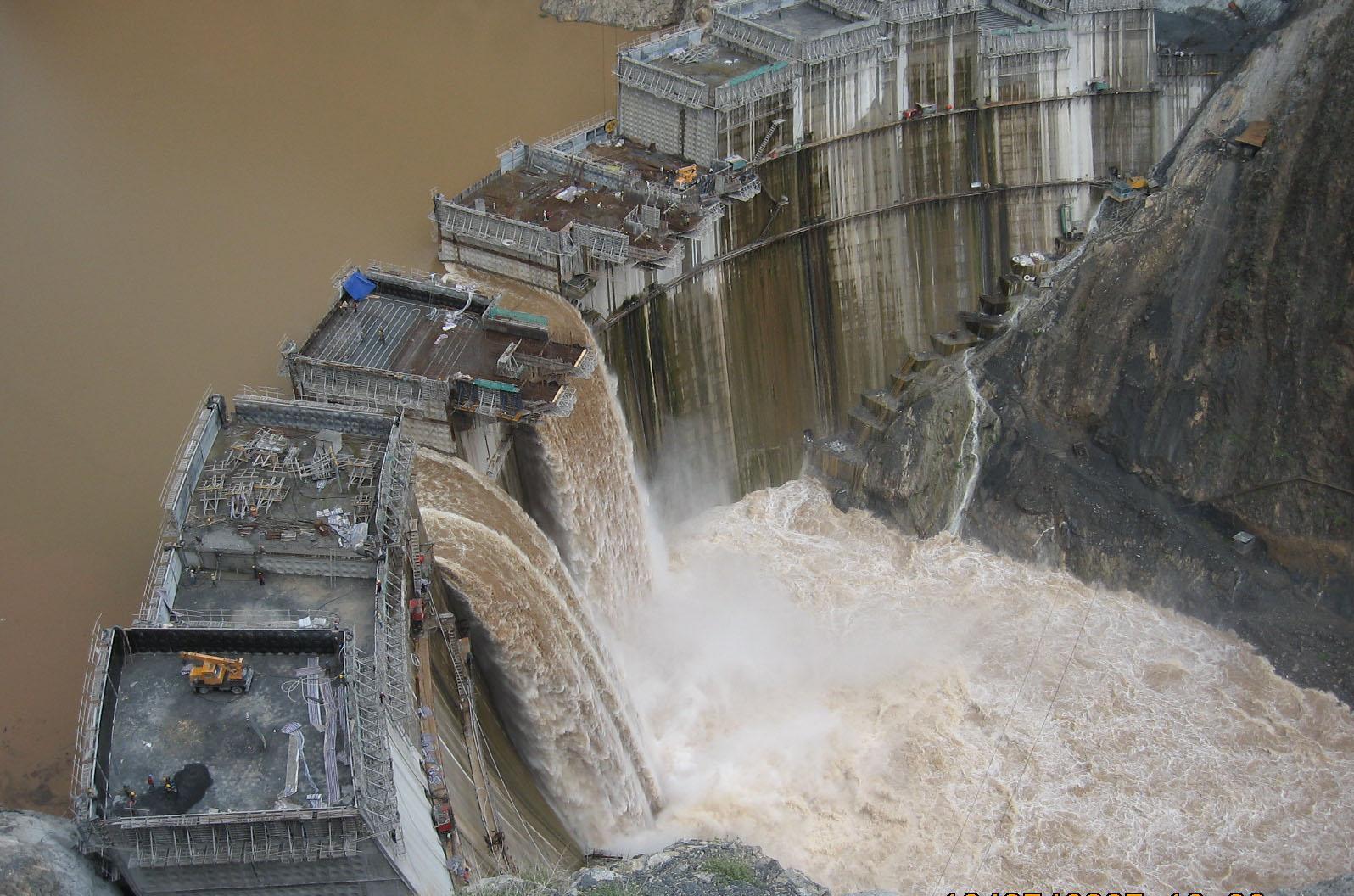
This comes amid ongoing disputes between Egypt and Sudan on one side and Ethiopia on the other regarding the filling and operation of the Grand Ethiopian Renaissance Dam, which began construction in 2011. Cairo and Khartoum demand a legally binding tripartite agreement on the filling and operation before any further actions.
Conversely, Ethiopia asserts that such an agreement is unnecessary and claims it does not intend to harm the interests of any other country, which has led to a three-year freeze in negotiations before they resumed in 2023, only to be suspended again in 2024.
Egyptian Investments
In this context, Sisi stated that Egypt is keen to utilize various available cooperation tools, including encouraging Egyptian companies to expand their investments and partnerships in African countries.
He revealed that total Egyptian investments in Africa have exceeded $12 billion, and total trade exchange rates have surpassed $10 billion.
He noted that the Egyptian Agency for Partnership for Development has implemented more than 700 training programs in various fields, “according to the priorities of the brotherly African countries.”
Sisi also stressed the importance of achieving and sustaining stability in the region and ensuring maritime security in the Red Sea, as these are essential elements for regional and international security.
Earlier on Saturday, the second ministerial conference of the Russia-Africa Partnership Forum commenced in Cairo.
The opening session was attended by Egyptian Foreign Minister Badr Abdel Atti, his Russian counterpart Sergey Lavrov, as well as officials representing more than 50 African countries and several heads of regional organizations.
The conference addresses ways to develop joint cooperation in trade, investment, energy, infrastructure, and issues of mutual interest related to security and stability in Africa, contributing to supporting peace and development efforts and enhancing a sustainable Russian-African partnership that achieves common interests.
The first edition of the conference was held in November 2024 in Sochi, Russia.
The Nile River has been a source of conflict among the countries it traverses, particularly between Egypt, Sudan, and Ethiopia. Since the construction of the Grand Ethiopian Renaissance Dam began in 2011, tensions have escalated over water rights and resource management. Egypt and Sudan have consistently called for a legally binding agreement on the dam’s filling and operation, while Ethiopia maintains that such an agreement is unnecessary, leading to stalled negotiations for several years.