
What You Need to Know
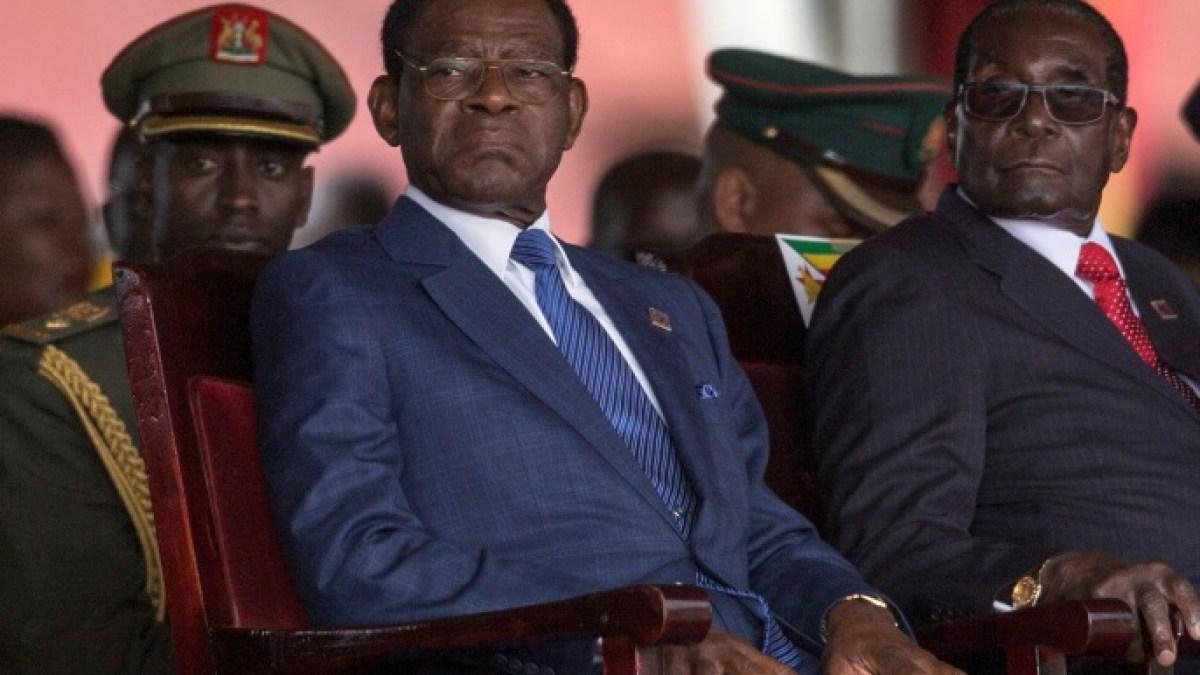
Teodoro Obiang Nguema Mbasogo, the President of Equatorial Guinea, has issued a surprising decree to relocate the country’s capital from Malabo to Ciudad de la Paz. This decision aims to decentralize state functions and address urban planning challenges amid rapid growth in both Malabo and Bata, the country’s economic center.
Africa. Teodoro Obiang Nguema Mbasogo, the President of Equatorial Guinea, has issued a surprising decree to relocate the country’s capital.
Instead of Malabo, located on Bioko Island and separated from the mainland, Ciudad de la Paz, situated in the heart of the rainforest, is now the capital of Equatorial Guinea, the only Spanish-speaking country in Africa.
The presidential decree stated that the move to the mainland was justified by the need to “alleviate concentration and decentralize state functions.”
Both Malabo and the coastal city of Bata, which is the country’s main economic center, have witnessed rapid growth.
According to the decree, “uncontrolled growth has brought significant challenges in urban planning, pressure on essential services, increased regional disparities, and congestion in transportation and communication networks.”
It is noteworthy that Equatorial Guinea, a small oil-rich nation in Central Africa, has been ruled by President Teodoro Obiang Nguema Mbasogo for over 46 years, making him the longest-serving president outside of monarchies. His son serves as vice president amid repeated accusations from human rights organizations of entrenching family rule and restricting political freedoms.
Despite its vast oil wealth, around 70% of the country’s approximately two million residents live in extreme poverty, with allegations against the regime and its affiliates of plundering public resources.
Equatorial Guinea, the only Spanish-speaking country in Africa, has been ruled by Teodoro Obiang Nguema Mbasogo for over 46 years, making him the longest-serving president outside of monarchies. His government has faced criticism for human rights abuses and nepotism, with his son serving as vice president. Despite its oil wealth, around 70% of the population lives in extreme poverty, raising concerns about the equitable distribution of resources.


