What You Need to Know
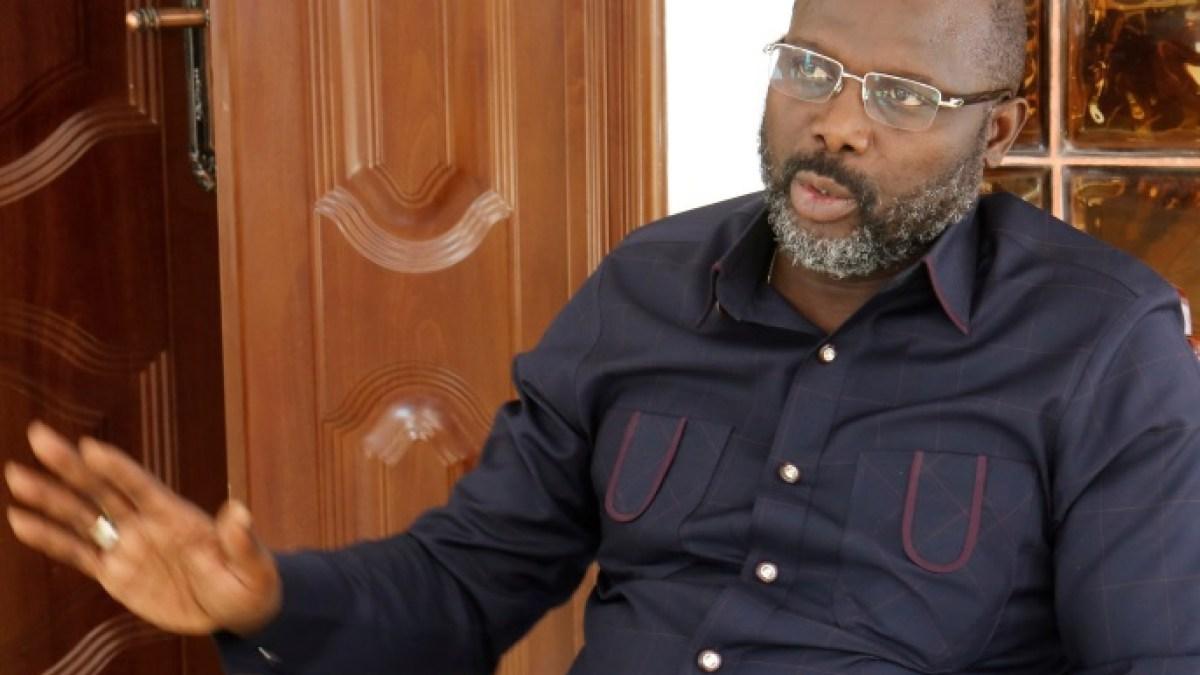
Former Liberian President George Weah revealed the reasons behind the suspension of two elevated bridge projects in Monrovia during his tenure. He attributed the halt to geopolitical tensions between China and the United States, emphasizing Liberia’s commitment to neutrality in international affairs.
Africa. Former Liberian President George Weah revealed the reasons behind the suspension of two elevated bridge projects in Monrovia during his tenure, noting that the halt was linked to geopolitical tensions between China and the United States.
While speaking at a gathering in a church, Weah explained that his government had completed all the technical and administrative procedures related to the project, but he refused to engage in political disputes between Beijing and Washington. He stated, “Because they offer us projects, they thought we should engage in the politics of others, but I was the president and said no.” He affirmed that Liberia maintained a policy of neutrality, emphasizing that its relations with the two global powers were based on balanced partnership.
Previous Chinese Commitments
At the beginning of Weah’s term, Beijing renewed its support for the “People’s Agenda for Prosperity and Development,” with Chinese Foreign Minister Wang Yi announcing his country’s commitment to cooperation based on “honesty, real results, and mutual benefit.” The Liberian embassy in Beijing also announced that China allocated a grant of 200 million yuan (approximately $29.5 million) to implement projects agreed upon during Weah’s meeting with Chinese President Xi Jinping at the 2018 Forum on China-Africa Cooperation, including the construction of two elevated bridges to alleviate traffic congestion near the ministerial complex and SKD Boulevard. Despite these arrangements, the project remained suspended until the end of Weah’s term.
Reviving the Project Under Boakai
About two years after taking office, President Joseph Boakai relaunched the project, laying the foundation for the bridges on September 2, 2025, with the participation of the Chinese ambassador to Liberia, Yin Qingguo. During the ceremony, Boakai expressed his government’s appreciation for China’s generosity and ongoing support for Liberia’s economic transformation, considering the project a crucial step in addressing traffic congestion and improving transportation in the capital.
For his part, the Chinese ambassador described the project as a “symbol of the growing strategic partnership between the two countries,” affirming that it was a direct outcome of summit meetings between Boakai and President Xi Jinping during the 2024 Beijing Forum on China-Africa Cooperation.
The construction of the bridges is expected to be completed by 2027 as part of a Chinese initiative to support infrastructure in Liberia. The project is anticipated to help alleviate traffic pressure and enhance the image of Sino-Liberian cooperation on the African continent.
The geopolitical landscape has significantly influenced Liberia’s infrastructure projects, particularly during George Weah’s presidency. The relationship between Liberia and China has been pivotal, with China committing substantial funds for development. However, the complexities of US-China relations have posed challenges for Liberia’s development agenda, leading to project suspensions.
In recent years, the new administration under President Joseph Boakai has sought to revive these projects, reflecting a shift in focus towards enhancing infrastructure and addressing urban challenges.