
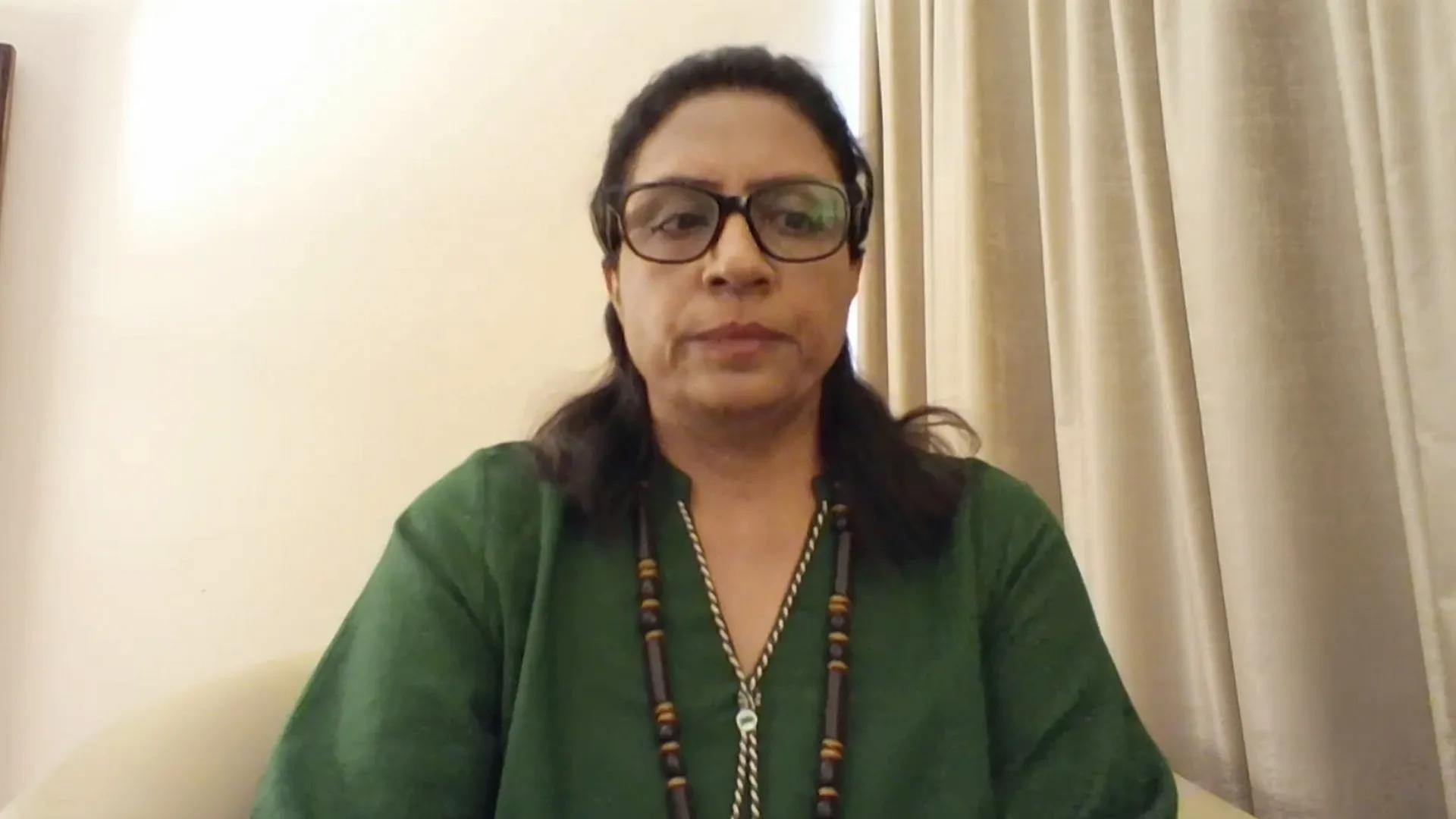
Africa-Press. Oxfam’s country director for South Sudan, Shabnam Baloch, has warned that the continued decline in international support for Sudanese refugees is undermining humanitarian agencies’ ability to meet urgent and growing needs.
She said Oxfam’s capacity to provide water and sanitation services has dropped from 10,000 people per month to just 300–400 in recent months, exposing a serious funding gap that threatens the lives of hundreds of thousands.
She noted that 1.3 million people had crossed the border from Sudan by the end of 2025, including 600,000 Sudanese refugees, as well as South Sudanese returnees who had previously sought refuge in Sudan.
Around 100,000 people are now crossing the border each day, placing enormous strain on host communities that are already grappling with internal conflicts and struggling to meet their basic needs.
Baloch issued an urgent appeal to the international community not to forget those facing acute humanitarian conditions, calling for greater solidarity with refugees and host communities.
Rising needs
A reporter present at Tina camp on the Chad–Sudan border described a sharp rise in urgent needs and an increasing influx of refugees from Sudan.
He said the Chadian government, in partnership with the UN refugee agency and the UN humanitarian coordinator, has launched an appeal to raise nearly $1 billion to assist around 3.5 million people. About 65% of the funds would be allocated to Sudanese refugees in eastern Chad, most of them women and children, while nearly 2.9 million children are suffering from acute malnutrition.
The Oxfam director stressed that women and children make up 60% of the refugee population and are the most vulnerable group. Pregnant women are living in extremely difficult conditions with limited access to healthcare, while children currently have no access to education.
She added that humanitarian organizations have observed women and children resorting to dangerous coping mechanisms such as early marriage and abortion, further increasing their vulnerability.
The reporter said civil society groups, working with partners abroad, are trying to ease refugees’ suffering by providing food, water and clothing, but efforts remain limited given the scale of the humanitarian crisis.
He documented cases of refugees sheltering under trees and facing severe shortages of food, water, shelter and blankets, amid harsh climatic conditions that worsen their daily hardships.
Since mid-April 2023, fighting between the Sudanese army and the Rapid Support Forces has killed more than 20,000 people and displaced or forced about 15 million to flee, according to the United Nations and local authorities. A study by U.S. universities, however, estimates the death toll at around 130,000.