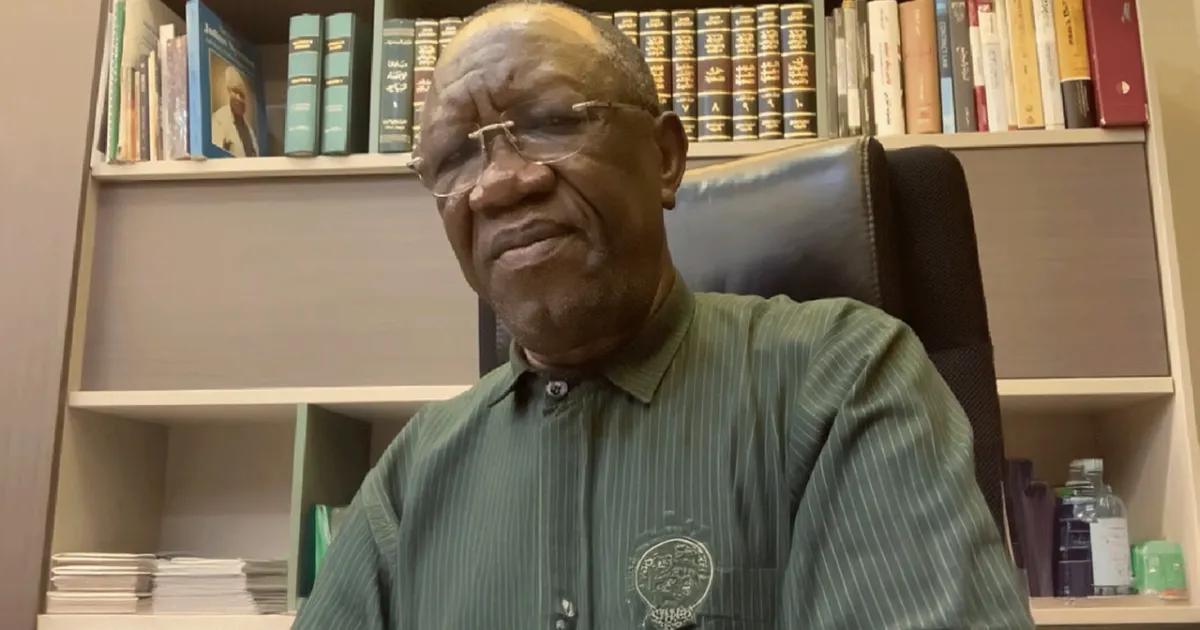
Africa-Press. IGAD’s Special Envoy for Sudan, Lawrence Korbandi, said the organization is doing its utmost to bridge differences among Sudan’s military and political actors, and to work with regional and international partners to end the war and open the path to an inclusive political process that brings the ongoing conflict to a close.
Korbandi said Sudan’s return to the organization would be a pivotal and highly important step—not only for achieving peace inside Sudan, but also for enhancing security and stability across the wider IGAD region. He stressed that such a return would enable Khartoum to regain regional legitimacy and re-engage with collective diplomatic frameworks.
He added that, by returning, Sudan would receive broad diplomatic support from member states to confront internal and external challenges, alongside expanded security cooperation with neighboring countries, particularly in addressing threats such as organized crime and other cross-border challenges.
Korbandi noted that the economic dimension is one of the key benefits of Sudan’s return to IGAD, as it would open wider horizons for trade and economic cooperation with countries in the region and beyond—positively impacting the livelihoods of the Sudanese people.
A partner in negotiations
On efforts to end the war, the IGAD envoy emphasized that the Sudanese people want peace, saying the organization has worked toward this goal since the first day the war erupted. He said IGAD leaders and heads of government delivered clear messages urging wisdom and negotiations instead of fighting.
He added that IGAD took part as a partner in the Jeddah Declaration talks between the Sudanese army and the Rapid Support Forces, and continues its efforts today within an international five-part mechanism that includes the African Union, the Arab League, IGAD, the European Union, and the United Nations. The mechanism aims to coordinate positions, deliver a unified peace message, and push the warring parties back to the negotiating table.
Korbandi said the organization remains open to bringing together Sudanese actors—military and political—and narrowing differences. He argued that the Sudanese government’s return to IGAD would provide additional tools to draw on the organization’s long experience in conflict resolution, including earlier experiences in Sudan and South Sudan.
He concluded that Sudan’s return to IGAD represents positive momentum that could encourage Sudanese stakeholders to align behind the peace track, explaining that it helps pave the way toward a comprehensive political settlement that ends the suffering of a people exhausted by war, displacement, and refuge.