What You Need to Know
The UN High Commissioner for Human Rights reported that civilian deaths in Sudan have more than doubled in 2025, reaching over 11,300. The health sector has suffered significant losses, with widespread destruction of hospitals and healthcare facilities. International pressure is mounting for accountability for human rights violations in the ongoing conflict.
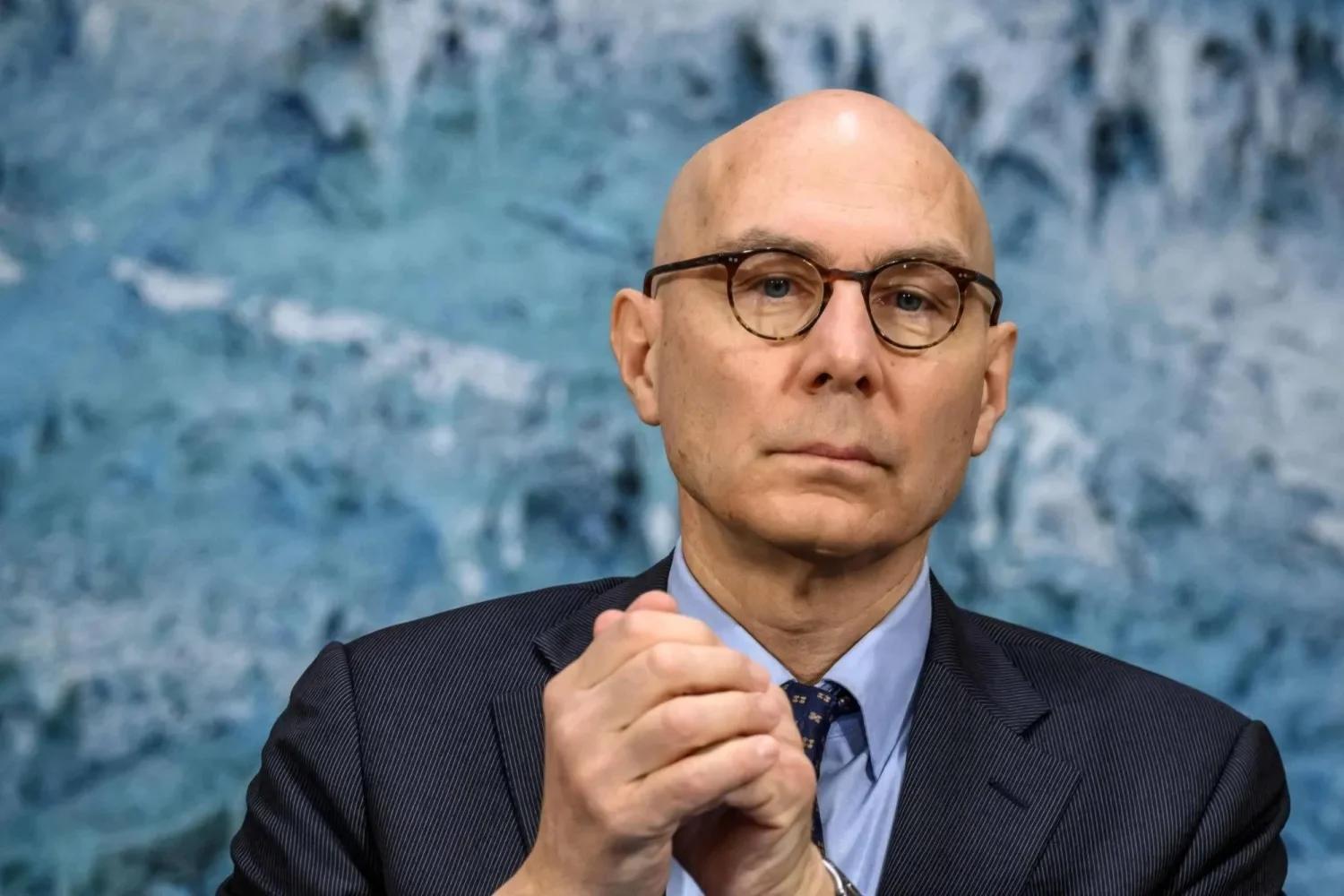
Africa-Press. The UN High Commissioner for Human Rights, Volker Turk, announced on Thursday that the number of civilian deaths in the Sudan conflict has more than doubled in 2025, with 11,300 people reported dead, in addition to missing persons and unidentified bodies.
Turk stated in Geneva that 2025 saw “an increase of more than two and a half times in the number of civilians killed compared to the previous year,” not counting the missing and unidentified bodies.
Sudanese Health Minister Haitham Mohamed Ibrahim confirmed that “the scale of losses in the health sector is very significant, as destruction has affected all states of Sudan, including the destruction of hospitals and health institutions, looting of medicines and vehicles, as well as direct targeting of health personnel.”
In connection with the Sudanese crisis, British Foreign Secretary Yvette Cooper stated that “those responsible for the violence and human rights violations in Sudan must be held accountable.”
She added, “This step is aimed at ending the culture of impunity,” emphasizing that the goal is to pressure the leadership of the Rapid Support Forces to cease attacks against civilians and return to the negotiating table.
It is noteworthy that the UK, France, and the US successfully obtained a resolution from the UN sanctions committee to impose sanctions on four senior leaders of the Rapid Support Forces. These sanctions include asset freezes and international travel bans, marking the first time that leaders of this level have been targeted under the Sudan sanctions regime since the current conflict began.
This trilateral coordination represents an escalation in international pressure to isolate military leaders who obstruct humanitarian aid and continue to fuel the conflict. These actions have reportedly focused on individuals directly involved in leading military operations in Darfur and the Gezira, as well as those responsible for planning violations described in international reports as “war crimes.”
These sanctions followed detailed reports from UN experts documenting the use of systematic sexual violence and ethnic cleansing in western Sudan, which the UK, France, and the US used to persuade the Security Council of the need for action.
A statement from the core group of Foreign Ministers regarding Sudan at the UN Human Rights Council on Thursday indicated that the violence perpetrated by the Rapid Support Forces in El Fasher bears “the characteristics of genocide.”
The conflict in Sudan has escalated significantly in recent years, leading to a humanitarian crisis marked by widespread violence and displacement. The UN and various countries have been actively involved in addressing the situation, calling for accountability and support for affected populations. The recent reports of increased civilian casualties underscore the urgent need for international intervention and humanitarian assistance.