What You Need to Know
In 2025, Africa experienced significant political, security, and economic transformations. The year was marked by military coups, elections, and diplomatic shifts that will influence the continent’s future. Key events included the election of new leaders, the rise of military governance, and ongoing economic crises, all contributing to a complex landscape for the years ahead.
Africa. Africa’s political landscape in 2025 was marked by significant changes, beginning with the election of Mahmoud Ali Yusuf as the new head of the African Union, following the removal of prominent Kenyan candidate Raila Odinga, who passed away a few months later. His death shocked both political and public circles in Kenya, with his funeral being a notable African event.
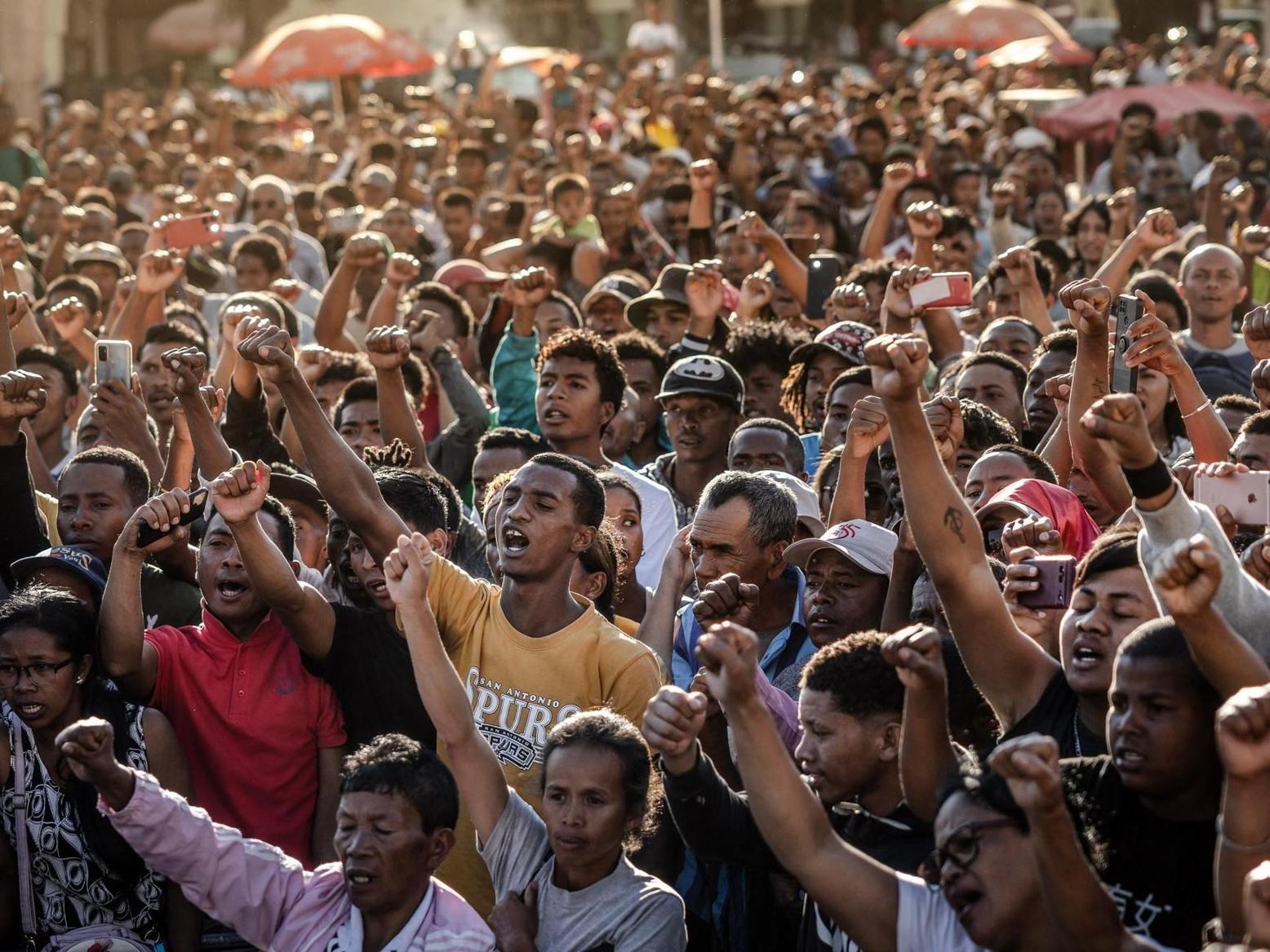
Major political shifts occurred across the continent, including a military coup in Madagascar in October that ousted President Andry Rajoelina, forcing him to flee to an unknown location after a massive youth uprising. This was followed by the swearing-in of military governor Colonel Michael Randrianirina.
Weeks later, military forces in Guinea-Bissau overthrew President Umaro Sissoco Embaló during the electoral process, leading to the cancellation of the elections. Shortly thereafter, military leaders in Benin announced their takeover, but their rule was short-lived as the president himself declared the restoration of power following Nigerian military intervention and French intelligence support. Notably, Benin also saw a constitutional amendment to extend the presidential term in mid-2025.
In Gabon, the country rejoined the African Union with a blanket amnesty for those involved in previous coups, despite controversies surrounding election integrity and convictions of prominent figures. In Chad, prison sentences were handed down to key opposition figures alongside a constitutional amendment extending the presidential term.
In Mali, Assimi Goïta was confirmed as president amid a wave of arrests and judicial rulings against a former prime minister, coupled with a severe fuel crisis due to rebel attacks on tanker convoys. In Guinea, military ruler Mamady Doumbouya officially announced his candidacy for the presidency, while Faustin-Archange Touadéra in the Central African Republic declared his intention to seek a third term amid criticism.
Nigeria witnessed the death of former President Muhammadu Buhari, who was given a state funeral, while kidnapping incidents surged, prompting the government to implement urgent security measures following significant pressure from U.S. President Donald Trump.
On another front, Ghana joined new regional arrangements, as some African nations, including Eswatini and South Sudan, agreed with the Trump administration to accept third-country migrants deported from the United States. Ghana also experienced a notable helicopter crash this year that killed two ministers, while the President of Sierra Leone took over the ECOWAS presidency amid regional divisions.
Elections and Leadership
In addition to coups, the continent also witnessed elections and leadership transitions. Malawi saw the return of former President Arthur Peter Mutharika to power after winning the elections. Seychelles experienced a smooth transition of power as opposition leader Patrick Herminie defeated President Wavel Ramkalawan.
However, other African countries faced significant controversy surrounding their presidential elections. Tanzania and Cameroon experienced violent elections, preceded by the exclusion and imprisonment of many opposition figures, resulting in victories for Tanzanian President Samia Suluhu Hassan and Cameroonian President Paul Biya.
The election atmosphere in Côte d’Ivoire was similarly contentious, with President Alassane Ouattara winning a fourth term by a large margin after excluding numerous opponents before the elections. Presidential elections in Guinea and the Central African Republic are scheduled for December 28, marking the end of a year filled with electoral activity across Africa.
Security and Alliances
The continent also experienced significant security transformations, with M23 fighters seizing control of several strategic areas in eastern Democratic Republic of Congo, including the vital Goma airport and Kivu region. This was followed by a historic trilateral meeting in Doha between the Emir of Qatar and the presidents of Rwanda and Congo, culminating in a peace agreement signed in Washington a few weeks later.
Tensions escalated between Ethiopia and Eritrea, with mutual accusations of incitement. A notable event in the region was the inauguration of Ethiopian Prime Minister Abiy Ahmed of the controversial Grand Ethiopian Renaissance Dam.
Economy and Energy
In 2025, Mauritanian Sidi Ould Tah was appointed president of the African Development Bank, reflecting shifts in economic leadership across the continent. African economies were impacted by several events this year, including a blow to Kenya’s tea industry due to regional conditions, as Sudan announced a boycott over Nairobi’s hosting of a parallel Sudanese government led by the Rapid Support Forces.
Mali faced a severe fuel crisis, with long queues at gas stations. In Mauritius, sovereignty over the Chagos Islands was restored, while relations between the United States and Africa soured as American support for energy projects and the G20 summit in South Africa was withdrawn due to allegations of persecution against whites, who have been welcomed on U.S. soil, unlike many other African nationalities that Trump restricted visa access for, excluding South Africa from the upcoming G20 summit scheduled for 2026 in Washington.
Rights and Society
The continent witnessed significant changes in rights and societal issues, with opposition figure Anisait dying in custody in Cameroon, and members of the family of former Gabonese President Ali Bongo being convicted in various cases. Numerous fatalities occurred in Kenya during protests against President William Ruto’s administration.
Uganda faced numerous internal and external criticisms due to the repression, detention, and enforced disappearance of many opposition figures and activists opposing President Yoweri Museveni’s rule.
Looking Ahead to 2026
The year 2025 was filled with transformations that will have a long-lasting impact on the continent. The coups and elections revealed the fragility of political systems, while economic and energy crises highlighted the need for deep reforms. As security and diplomatic tensions continue, 2026 remains open to multiple scenarios, either reinforcing stability through reforms and regional cooperation or perpetuating a cycle of crises and divisions.
The year 2025 was pivotal for Africa, witnessing a series of political upheavals and economic challenges. The continent faced military coups in several nations, alongside elections that sparked controversy and debate. These events underscored the fragility of political systems and the pressing need for reform in governance and economic management.
As countries grappled with leadership changes and security threats, the socio-economic landscape was further complicated by crises in energy and resources. The interplay of these factors highlighted the urgent need for regional cooperation and strategic planning to address the continent’s challenges and opportunities moving forward.