Othman Lahiani, Algerian writer
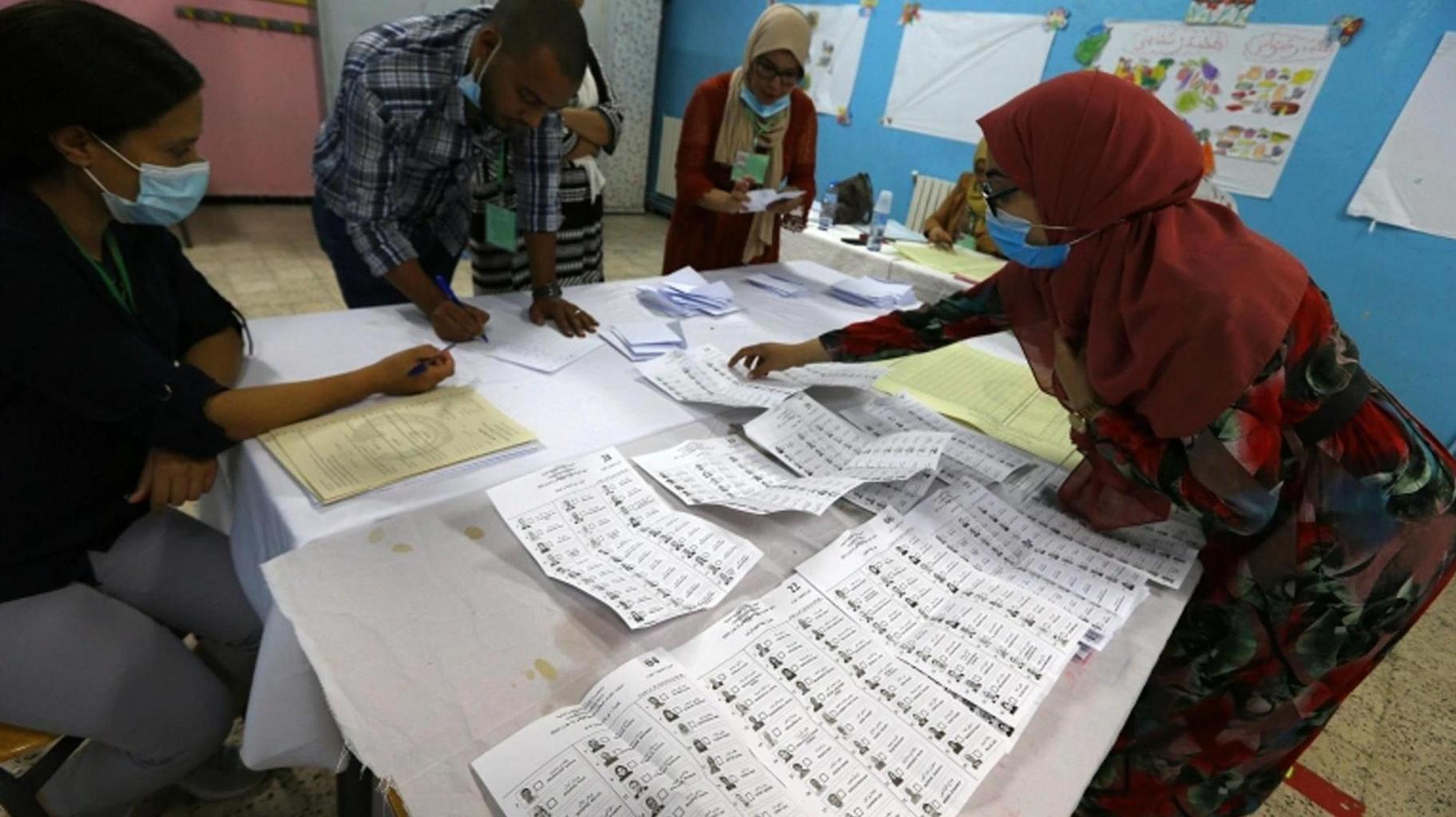
Africa-Press. The upcoming Algerian parliamentary elections, scheduled for July 2, are witnessing an unprecedented scrutiny of candidate files from party lists and independents, resulting in a series of decisions to exclude more than 300 candidates so far, including a significant number of parliament members seeking a second term. This comes as it is expected that the total number of excluded candidates will reach an unprecedented level in the history of electoral events in Algeria, due to the application of Article 200 of the electoral law, which includes exclusion on suspicion of corruption or influence on the ethics of political work.
Political parties participating in the upcoming parliamentary elections in Algeria were surprised by the electoral authority’s decisions to exclude a large number of their candidates in the provinces, with the authority excluding half or more of the candidates in some lists.
The National Democratic Rally party, part of the government and presidential coalition, currently leads the list of parties whose candidates have faced rejection decisions. In Boumerdes province, near the Algerian capital, the authority rejected nine candidates out of 14 in the party’s list. In Chlef province, western Algeria, the electoral authority rejected the files of six candidates out of 14 in the Movement of Society for Peace’s list, while five candidates from the Future Front were excluded in Constantine province, eastern Algeria. The National Construction Movement lost four candidates in Ain Defla province, and six candidates were rejected in the National Liberation Front’s list in Djelfa province, central Algeria.
The pace of rejection decisions is consistent across all provinces, with the electoral authority announcing that as of last Saturday, 269 candidates (out of a total of 1,235 candidates) had been excluded after reviewing only 101 lists out of 846, indicating that the number of excluded candidates has exceeded 20% so far, whereas it was customary for the number of rejections in each province’s lists to be no more than the number of fingers on one hand.
Concerns about impacts on electoral performance
Political analyst Nasreddine Ben Hadid stated: “In reality, reports from the provinces regarding the processing of files are striking; there is an unprecedented exclusion of a large number of candidates. At this rate, we may reach a rejection of half the candidates, which indicates a significant strictness that parties may see as excessive in processing candidate files, creating a substantial burden on the parties.” Ben Hadid pointed out that “there are serious concerns that this will affect the pace of the electoral campaign and electoral performance before and during the voting on July 2, due to the withdrawal of a large number of candidates, some of whom represent the main pillar in the parties’ lists in the provinces, such as the candidate deputies.”
Exclusions are generally based on Article 200 of the electoral law, which has broad and undefined content, allowing for the exclusion of candidates on the grounds of corruption suspicions or connections to political financial circles. The article “requires that the candidate not be known to the public for their connection to dubious financial and business circles, or their influence directly or indirectly on the free choice of voters,” which are suspicions that the authority can rely on to exclude candidates even without any practical proof, whether a judicial ruling against them or their being under investigation in a related case or subject to security inquiries and investigations. Political parties had expressed their previous concerns even before the electoral law was enacted in 2021, and then amended in early April regarding the lack of clarity of this article.
Notably, this time, the exclusion decisions specifically included a large number of current parliament members who submitted their candidacies for a second parliamentary term, with the exclusion process affecting more than 60 deputies in the 69 provinces, based on Article 200 of the electoral law.
The electoral law grants candidates three days to appeal the exclusion decision to the administrative court, which reviews their appeals at two levels: initial and appellate. In the previous election experience, very few candidates who filed appeals received positive rulings that reinstated them in the electoral race.
The electoral authority gives political parties until June 6 to submit other candidates to replace those who were excluded, provided they meet the same specifications related to the gender parity rule, being under 40 years old, holding a university degree, and ensuring one-third of the list is female.
While the authorities justify this approach as a preemptive measure to prevent any infiltration by those connected to corrupt money or those suspected of security or political corruption, only one party has criticized the electoral authority’s handling of candidate lists in the provinces. The Movement of Society for Peace issued a statement on Sunday, expressing “serious concern and increasing danger regarding the arbitrary application of Article 200 in processing candidate files, resulting in the exclusion of several candidates without relying on clear legal evidence or final judicial rulings, which constitutes a serious infringement on the political and constitutional rights of citizens and opens the door to selective administrative use of the law that undermines the principle of justice and equal opportunities and undermines the credibility of the elections.”