What You Need to Know
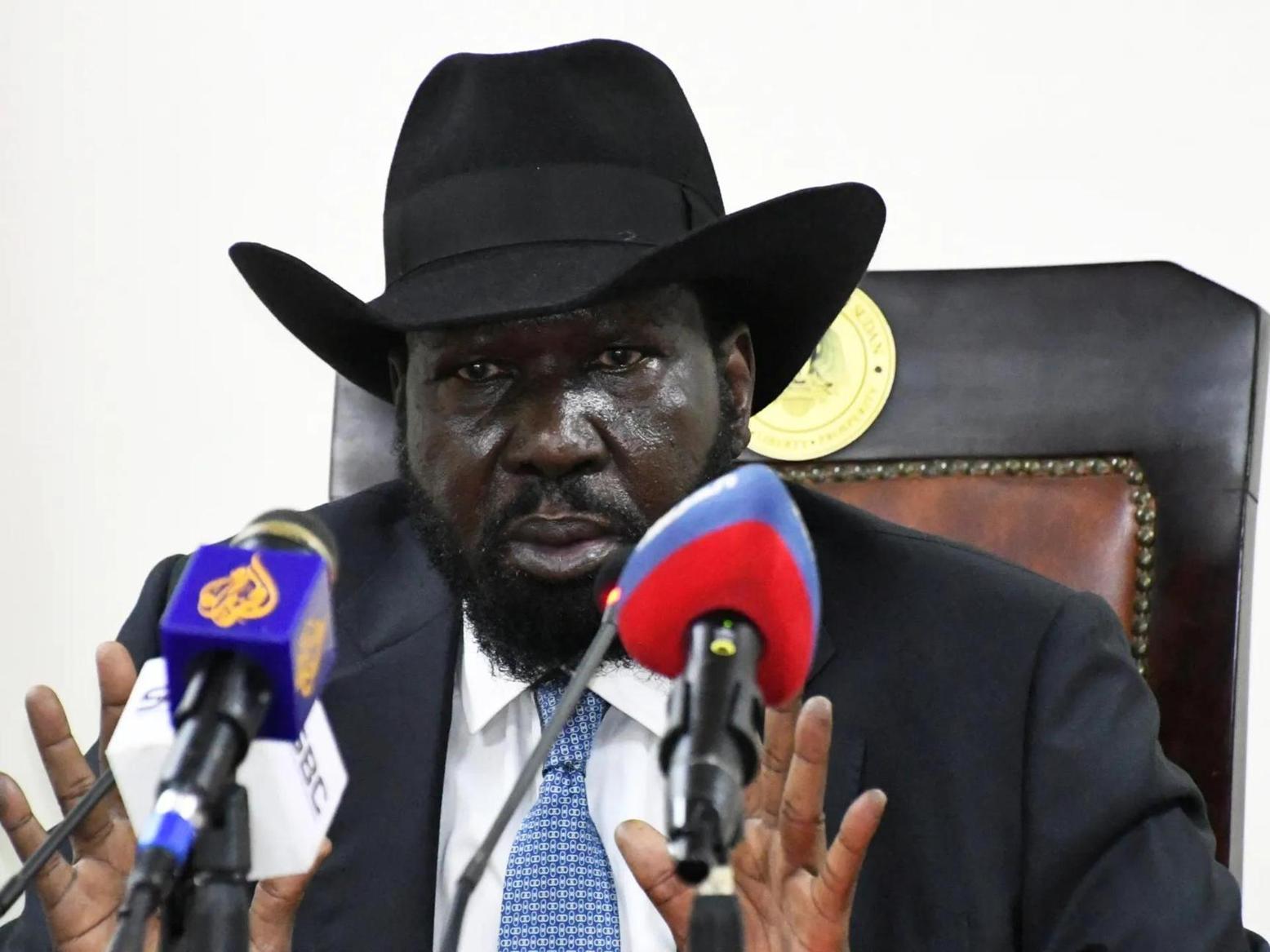
South Sudan’s President Salva Kiir Mayardit has dismissed Finance Minister Bak Barnaba Chol just four months after his appointment, marking the ninth such dismissal since 2020. This reflects ongoing administrative instability within a key ministry managing the country’s oil and financial resources.
Africa-Press. President Salva Kiir Mayardit has dismissed Finance Minister Bak Barnaba Chol after less than four months in office, in a new cabinet reshuffle that included senior officials, such as the Commissioner General of the National Revenue Authority.
State television announced that the president appointed economist Salvatore Kuol as the new finance minister. Kuol previously held the position from 2018 to 2020 during a period marked by economic reforms and financial pressures, but also associated with corruption allegations that he did not address at the time.
This marks the ninth time a finance minister has been dismissed since 2020, reflecting a state of administrative instability in one of the most crucial ministries responsible for managing the country’s oil and financial resources. These dismissals are part of a series of changes made by President Kiir recently, which included the reappointment of military leaders and former deputies, as well as the introduction of new figures into sensitive institutions like the Electoral Commission.
The frequent changes made by President Kiir within his government and state institutions have sparked widespread debate both within South Sudan and abroad, as observers believe they reflect a state of political and administrative instability.
In October 2025, Kiir reinstated a former army commander after three years of dismissal, and in November of the same year, he brought back a former deputy into the government as part of a wide-ranging reshuffle. Recently, in February, he appointed someone to the Electoral Commission, who was later revealed to have died five years ago, raising further questions about the motives and seriousness behind these successive decisions.
Political Implications
The Sudan Post newspaper argues that these changes are not merely administrative decisions but reflect the president’s strategy to maintain control amid ongoing armed conflict and speculation regarding his succession. Meanwhile, the Kenyan newspaper The East African noted that the frequent changes in high positions weaken institutions and increase confusion, yet they allow the president to rearrange power centers to ensure loyalty from leadership.
Economic Dimensions
The dismissal of the finance minister at this time raises questions about the government’s ability to manage the economic crisis, especially given the country’s heavy reliance on oil revenues and declining investor confidence due to administrative instability. Additionally, the lack of a long-term economic vision undermines international institutions’ trust in Juba’s ability to commit to reforms.
Regional and International Impact
The ongoing changes in the military and government reflect the fragility of the political structure and complicate preparations for long-awaited elections, as international pressure on Juba increases to demonstrate commitment to reform and stability. Furthermore, the continued state of instability raises concerns for neighboring countries that rely on South Sudan for trade and security.
Since gaining independence in 2011, South Sudan has faced significant political turmoil and economic challenges, largely due to ongoing conflicts and governance issues. The frequent reshuffling of government officials, particularly in key ministries, has been a hallmark of President Salva Kiir’s administration, raising concerns about stability and effective governance in the young nation.