
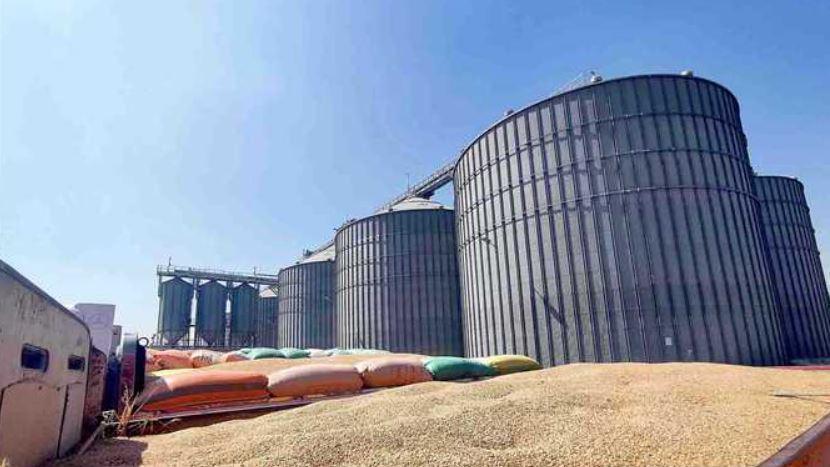
Africa-Press. Egypt has achieved a record in local wheat purchases during the current harvest season, with the government buying approximately 4.6 million tons from farmers so far, surpassing the total amount purchased during the entire previous season. This boosts the chances of reaching the government target of 5 million tons before the season ends in mid-August.
This surge is part of a government policy aimed at reducing reliance on wheat imports, as Egypt is one of the largest wheat importers in the world, typically importing around 10 million tons annually. A significant portion of this is allocated to the subsidized bread program, which benefits about 70 million citizens.
The success of the current season is primarily attributed to the government raising the procurement prices for wheat from farmers. The price set for the current season has increased twice since August, reaching approximately $320 per ton, which is significantly higher than global prices. This has encouraged farmers to expand the cultivated areas and increase supplies to the government instead of selling the crop to traders or using it as animal feed.
As a result, the area planted with wheat has risen to about 3.7 million acres, compared to around 3.1 million acres in the previous season, marking the highest recorded level ever. Favorable weather conditions, improved seeds, and advancements in storage and transportation systems have also contributed to increased productivity and reduced post-harvest losses.
Market participants believe that the increase in local production and the rise in government purchases may allow for a reduction in wheat imports during the second half of the year, helping to alleviate pressure on foreign currency reserves and reduce the import bill.
Markets are also awaiting a government decision regarding the reform of the bread subsidy system, as Cairo is considering a gradual shift from in-kind support to cash support, which could impact future government demand for wheat and its distribution mechanisms.
This achievement is viewed as one of the key indicators of the success of Egypt’s strategy to enhance food security and increase reliance on local production amid ongoing fluctuations in global grain markets and challenges related to international supply chains.