Africa-Press. Iran’s war has redraw the map of global energy search after supply disruptions and rising risks in the Middle East prompted investors to rally to Africa as a new front to secure fuel and supply chains. The continent is increasingly seen as a more attractive alternative to long-term investments in oil, gas and renewable energy.
Andrew Herring, head of the energy and electricity sector at the British unit of Marsh, said executives had previously questioned whether they should enter African markets and were now looking for quick capital injections to secure supply chains.
“The African risk premium, which has been deterring many institutional investors, is now being compared to the Middle East’s volatility premium.” “For a growing number of global players, Africa has become the most financiable bet for long-term energy stability.”
The African risk premium is an additional cost to international investors or lenders in exchange for investing their money in African countries, compared to investing in more stable countries such as the United States or Europe.
Multiple Advantages
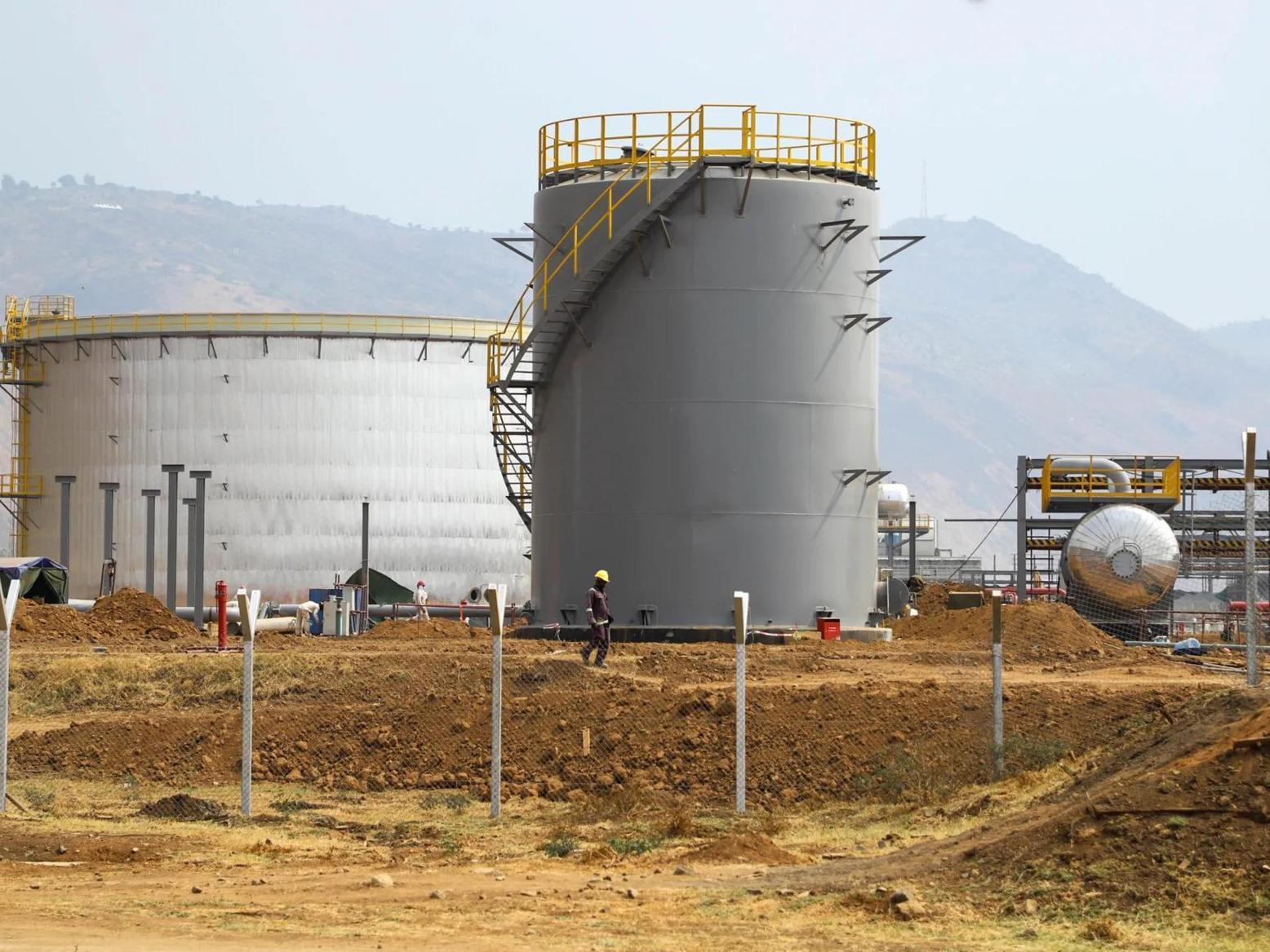
Africa’s appeal stems from several factors, most notably the geographical diversity of hydrocarbons (oil and gas) producers, the large untapped reserves of fossil fuels on land and at sea, and the vast potential of renewable energy generation.
Countries such as Algeria, Egypt, Libya, Nigeria and Angola are already fueling global oil and gas markets as they seek to increase output, while other emerging countries are preparing to join the list of producers.
Among the direct beneficiaries of the supply shock, Nigerian billionaire Aliko Danguti, Africa’s richest man, is emerging, with Bloomberg saying his $20 billion Nigerian refinery has received many requests as a result of the widening gap between supply and demand in the global market.
The expansion plans of the Dangoti billionaire include the construction of a new large fuel processing facility in Tanzania to serve the East African market, reflecting a bet on the continuation of regional demand and the high importance of refining crude on the continent.
Obstacles
But the road is not without risk, and Bloomberg cites Mozambique as an example, with French companies Total and ExxonMobil suspending giant gas projects for years due to security difficulties and the threat posed by Islamic State.
Total announced the resumption of the project in January, while ExxonMobil’s decision is still pending, highlighting that capital is not only looking for resources, but also for stability.
African countries need to provide political clarity, reduce risk, and accelerate investors’ ability to generate returns if they want to turn the attention the war has imposed on Iran into a long-term wealth.
At a time when energy supplies are faltering across the Strait of Hormuz and markets are looking for alternative barrels, Africa finds itself facing a rare opportunity that may not remain available for long.