Africa-Press. Libya is facing a rapid decline in its tree cover, amid warnings of environmental and climatic repercussions that threaten soil, biodiversity, and natural resources in a country where the area of natural forests does not exceed 217,000 hectares, which is less than 1% of its total area.
According to international and local reports, Libya has lost about two-thirds of its natural forest area between 2001 and 2023, while environmental monitoring data indicates a loss of approximately 390 hectares of tree cover over 25 years, reaching 51% in the monitored areas.
These losses are attributed to human and environmental factors, including the expansion of land use and wildfires, in addition to the fires that affected the Green Mountain forests over the past two years, causing extensive damage to vegetation and wildlife. The southern regions are also facing increasing pressures due to land degradation and declining biodiversity.
In this context, the Global Environment Facility approved funding of $5.8 million in December 2025 for an initiative implemented by the Libyan Ministry of Environment in several areas, including the Ubari Lakes basin in the south of the country, aimed at mitigating land degradation, protecting biodiversity, and enhancing resilience to climate change.
Libyan civil organizations have warned that the loss of forest cover deprives the country of an important natural capacity to absorb carbon dioxide, estimating the emissions associated with this loss at about 49,000 tons.
In response, authorities, in collaboration with civil organizations, have launched extensive tree-planting campaigns, including an initiative to plant 100 million trees in 2023, alongside campaigns to plant thousands of seedlings in areas west of Tripoli, and others aimed at compensating for damaged areas in the Green Mountain.
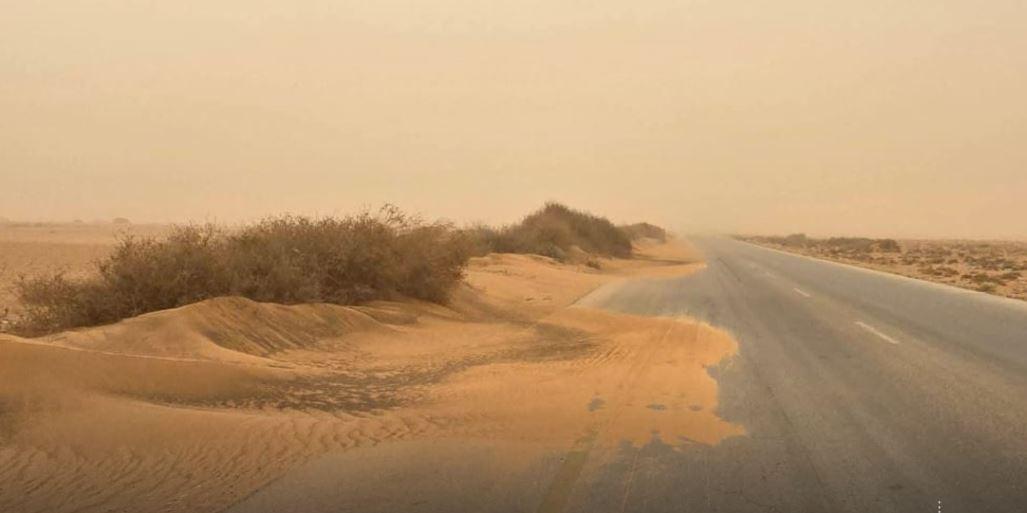
Climate studies professor Suleiman Al-Zahaf believes that the loss of tree cover in Libya is more dangerous than its numerical size, given the country’s desert nature and limited plant resources, emphasizing that trees play a crucial role in stabilizing soil, reducing erosion, maintaining moisture, protecting biodiversity, and regulating local temperature and humidity.
Al-Zahaf warned in statements to a local source that the continued decline of vegetation cover could accelerate desertification and the degradation of natural habitats, stressing that addressing the phenomenon requires government policies that include protecting forest areas, regulating land use, and reducing wildfires, in addition to providing necessary funding.
He confirmed that tree-planting programs should not be limited to seasonal campaigns but should be part of a comprehensive policy for environmental, water, and food security in Libya.