
What You Need to Know
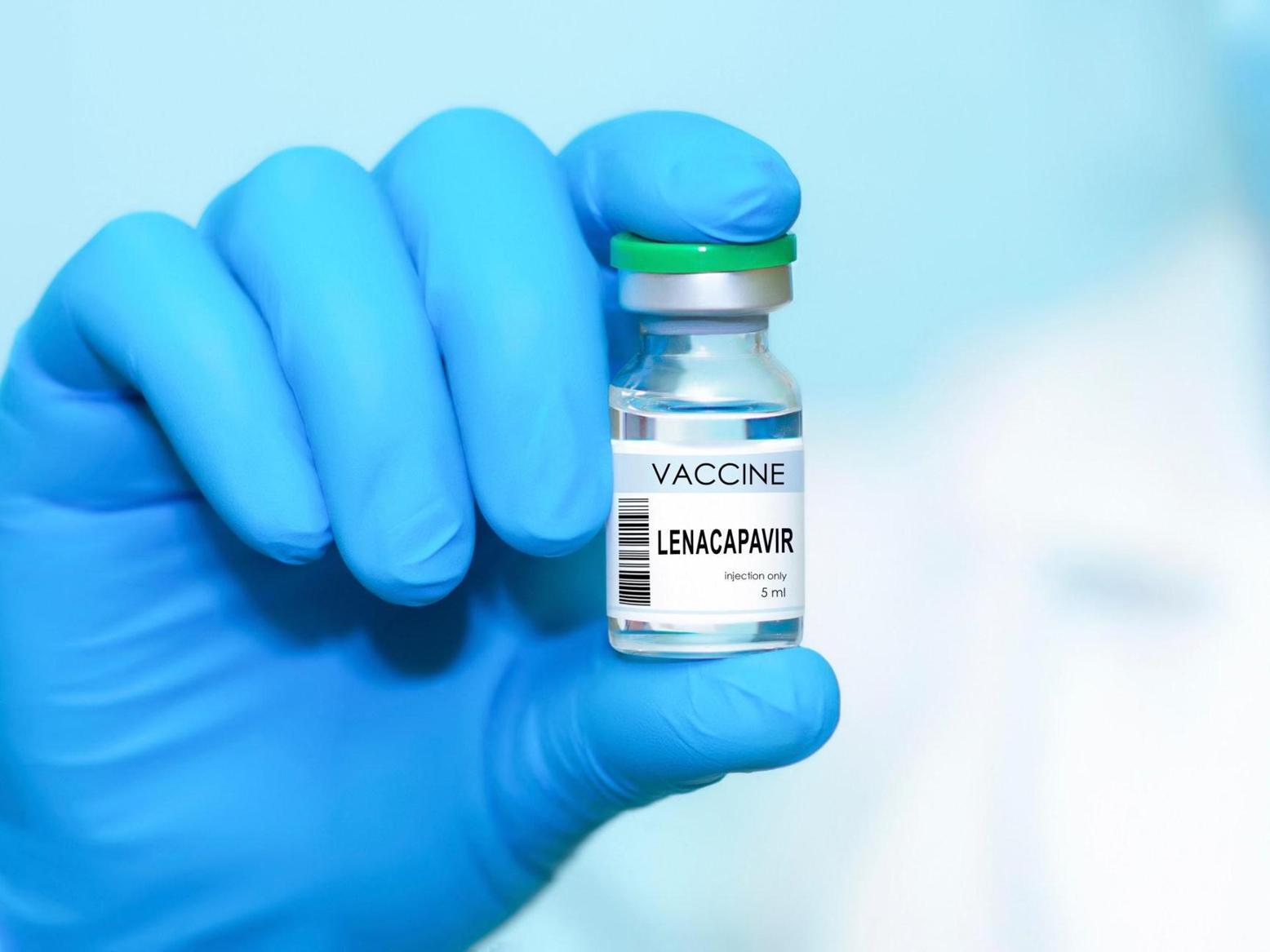
South Africa, Eswatini, and Zambia have initiated a groundbreaking program to provide HIV injections to their citizens. The drug Lynacapavir, administered biannually, has shown over 99.9% efficacy in reducing HIV transmission risk, positioning it as a functional equivalent to a vaccine. This initiative marks a significant advancement in HIV prevention efforts in Africa.
Africa. South Africa, Eswatini, and Zambia have begun offering doses of medication in the form of injections to their citizens to combat the HIV virus in the first drug rollout program in Africa.
The drug Lynacapavir, which is administered twice a year, has proven its ability to reduce the risk of HIV transmission by over 99.9%, making it functionally similar to an effective vaccine.
In South Africa, a research unit at the University of the Witwatersrand has overseen the drug rollout as part of an initiative funded by Unitaid, a health agency of the United Nations.
Unitaid stated, “The first individuals have begun using Lynacapavir for HIV prevention in South Africa… making it one of the first practical uses of the injection taken every six months in low- and middle-income countries.”
The agency did not specify how many people received the first doses of the drug, which costs $28,000 per person annually in the United States. The drug is expected to be launched nationally next year.
Zambia and neighboring Eswatini received 1,000 doses last month as part of an American program and launched the drug on Monday in observance of World AIDS Day.
As part of the American program, the manufacturing company Gilead Sciences has agreed to provide Lynacapavir at no profit to two million people in countries with high rates of infection over three years.
However, Washington, which has political disagreements with Pretoria on various issues, will not provide doses to South Africa despite its participation in clinical trials.
U.S. State Department official Jeremy Lewin told reporters late last month, “It is clear that we encourage every country, especially countries like South Africa, which have significant resources of their own, to fund doses for their populations.”
Critics argue that the quantities supplied by the United States are far below actual needs and that the market price is beyond the reach of most people.
East and Southern Africa account for about 52% of the 40.8 million people living with HIV worldwide, according to data from the United Nations AIDS program.
HIV/AIDS has been a significant public health challenge in Africa, with millions affected across the continent. The introduction of innovative treatments like Lynacapavir represents a crucial step in combating the epidemic, particularly in regions with high infection rates. Historically, access to effective HIV prevention and treatment has been limited, but recent initiatives aim to change this landscape by providing more accessible options for vulnerable populations.