What You Need to Know
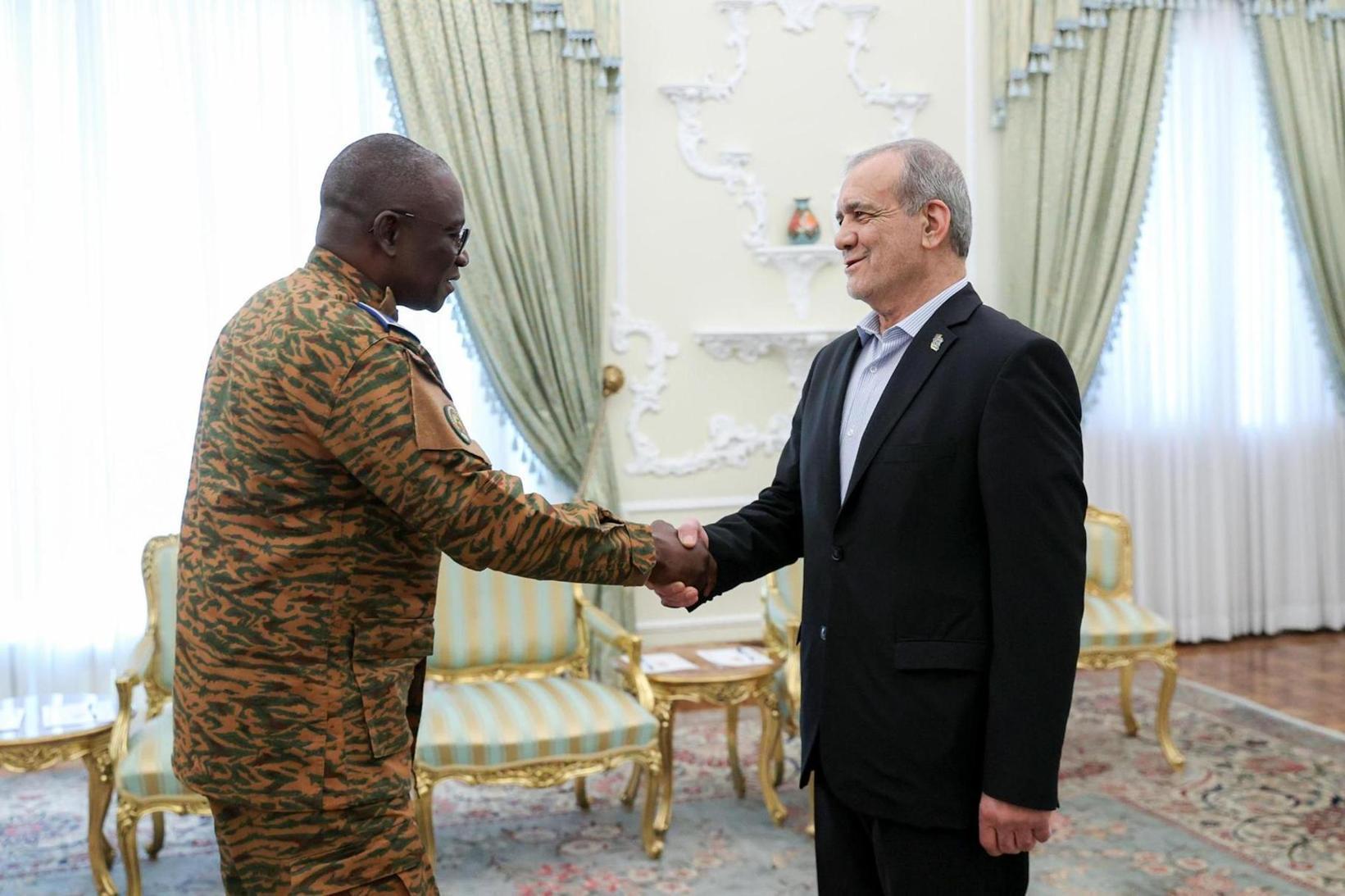
Iranian President Masoud Bezhakian has declared Africa a strategic priority in Iran’s foreign policy, aiming to enhance comprehensive cooperation with African nations based on mutual interests. This commitment was emphasized during a meeting with Burkina Faso’s Defense Minister, Celestin Simbor, where both leaders discussed strengthening bilateral relations and addressing common challenges.
Africa-Press. Iranian President Masoud Bezhakian has affirmed that the African continent represents a strategic priority in his country’s foreign policy, emphasizing that Tehran aims to expand comprehensive cooperation with African nations based on “mutual interests” and within a framework of balanced diplomacy.
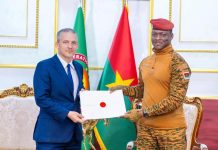
This statement came during his meeting with Burkina Faso’s Defense Minister, Celestin Simbor, where Bezhakian stressed Iran’s commitment to enhancing relations with African countries, particularly Burkina Faso. He confirmed that the Islamic Republic’s vision toward the continent is based on long-term foundations rooted in mutual partnership.
The Iranian president stated that his country is prepared to leverage its capabilities to develop bilateral relations, highlighting the importance of exchanging high-level political, defense, and economic delegations to enhance mutual trust and open broader avenues for cooperation in economic, scientific, industrial, and defense fields.
He also noted that expanding relations with Burkina Faso could serve as a gateway to developing cooperation with other countries on the African continent, praising what he described as the “independent and anti-hegemony” stance adopted by the Burkina Faso government. He expressed confidence that the country would be able to overcome the challenges of terrorism and extremism through its national unity and internal cohesion.
Bezhakian expressed Iran’s readiness to transfer “technical expertise and knowledge” to Burkina Faso, particularly in technological, industrial, and defense sectors.
He emphasized the importance of exchanging visits between Tehran and Ouagadougou, stating that such exchanges could “pave the way for deepening mutual trust, enhancing friendly relations, and increasing interaction in various fields.”
For his part, Minister Simbor praised Iran’s resilience in the face of decades of sanctions and external pressures, considering its achievements in defense industries and advanced technologies as evidence of national will and self-reliance.
He pointed out that Burkina Faso has been engaged in a battle against terrorism and insecurity for over a decade, asserting that the roots of these challenges are not much different from the pressures faced by Iran, emphasizing that “dominant powers” seek to enforce dependency and prevent the realization of true national sovereignty.
He added that the Burkinabe people are determined to move towards independence, social progress, and economic development through their national will.
The Burkinabe minister held discussions with Iranian Defense Minister Brigadier General Aziz Nasirzadeh, focusing on developing military relations between the two countries.
He also visited the Iranian Army Command and General Staff University, inspecting various departments and meeting with the university’s president, Brigadier General Farzad Ismaili.
Iran has sought to expand its influence in Africa as part of its broader foreign policy strategy, particularly in response to Western sanctions and isolation. By fostering relationships with African nations, Iran aims to create new economic opportunities and political alliances. Burkina Faso, facing its own challenges with terrorism and security, has shown interest in collaborating with Iran, viewing it as a partner against external pressures and for national sovereignty.