What You Need to Know
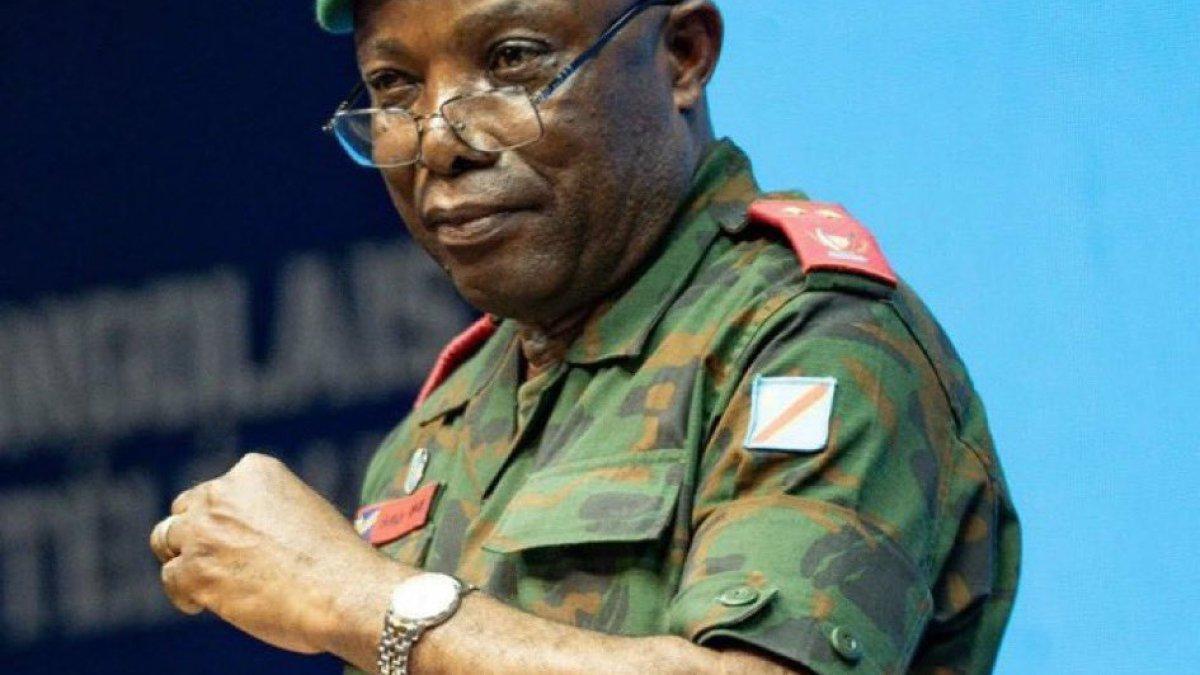
The Democratic Republic of Congo is facing significant backlash after General Sylvain Ekenge accused Tutsi women of espionage for Rwanda. His comments prompted the military to suspend him as spokesperson, stating his remarks do not align with national values. The controversy has drawn international criticism, particularly from Belgium, amid rising tensions between Congo and Rwanda.
Africa. The Democratic Republic of Congo is facing significant backlash after statements made by military spokesperson General Sylvain Ekenge during a television interview last weekend. He accused Tutsi women of engaging in what he described as a “penetration strategy” led by Rwanda and called for Congolese people to refrain from marrying them, claiming they serve as a means to gather intelligence for Kigali. He also alleged that some of these women give birth to children with “full Tutsi features.”
These remarks sparked widespread outrage, prompting the General Staff to suspend Ekenge from his role as military spokesperson, according to the official Congolese news agency. The military institution stated in a press release that his comments “do not align with republican values or constitutional duties,” emphasizing that they “do not reflect the position of the state or President Félix Tshisekedi’s government.”
The controversy has not been limited to domestic reactions. Opposition figure Nehemiah Muelania, former director of the office of former President Joseph Kabila, described Ekenge’s remarks as a “call to ethnic hatred” against the Tutsi, asserting that they represent government policy due to Ekenge’s official position.
International Reactions
On the international front, Belgium condemned what it termed “hate speech,” stating it is “unacceptable from an official representative.” Belgian Foreign Minister Maxim Prevot expressed shock at the accusations directed at the Tutsi community, affirming that “national reconciliation can only be achieved by involving all societal components.”
This crisis comes at a time of escalating tensions between Kinshasa and Kigali, with Rwanda accusing its neighbor of overlooking rhetoric and actions targeting the Banyamulenge Tutsi minority in South Kivu. It coincides with the continued control of the M23 rebel group, allegedly backed by Rwanda, over large areas of eastern Congo, raising concerns that such statements could complicate regional and international efforts to contain the conflict in the Great Lakes region.
The Democratic Republic of Congo has a complex history with ethnic tensions, particularly involving the Tutsi community. The ongoing conflict in the eastern regions has often been fueled by accusations and political rhetoric that exacerbate divisions. This latest incident reflects a broader pattern of hostility that has persisted since the Rwandan Genocide and the subsequent conflicts in the Great Lakes region, where issues of identity and allegiance remain deeply contentious.