What You Need to Know
Gabon has appointed a new finance minister, Teri Minko, following the dismissal of Henry Claude Oima amid rising concerns over the country’s debt and liquidity crisis. Fitch Ratings has downgraded Gabon’s long-term foreign currency rating due to widening fiscal deficits and a lack of official financing, predicting a significant increase in government debt over the next few years.
Africa. President Brice Oligui Nguema of Gabon has issued a presidential decree stating that Finance Minister Henry Claude Oima has been relieved of his duties amid the oil-producing nation’s liquidity crisis and mounting debt arrears.
Gabon has increasingly relied on regional capital markets to meet its financing needs, although demand for its debt has “declined significantly,” according to Fitch Ratings last month, when it downgraded Gabon’s long-term foreign currency rating.
Oima, a prominent banker and businessman, was appointed finance minister in May after Nguema won the first presidential election since he took power in a coup in 2023.
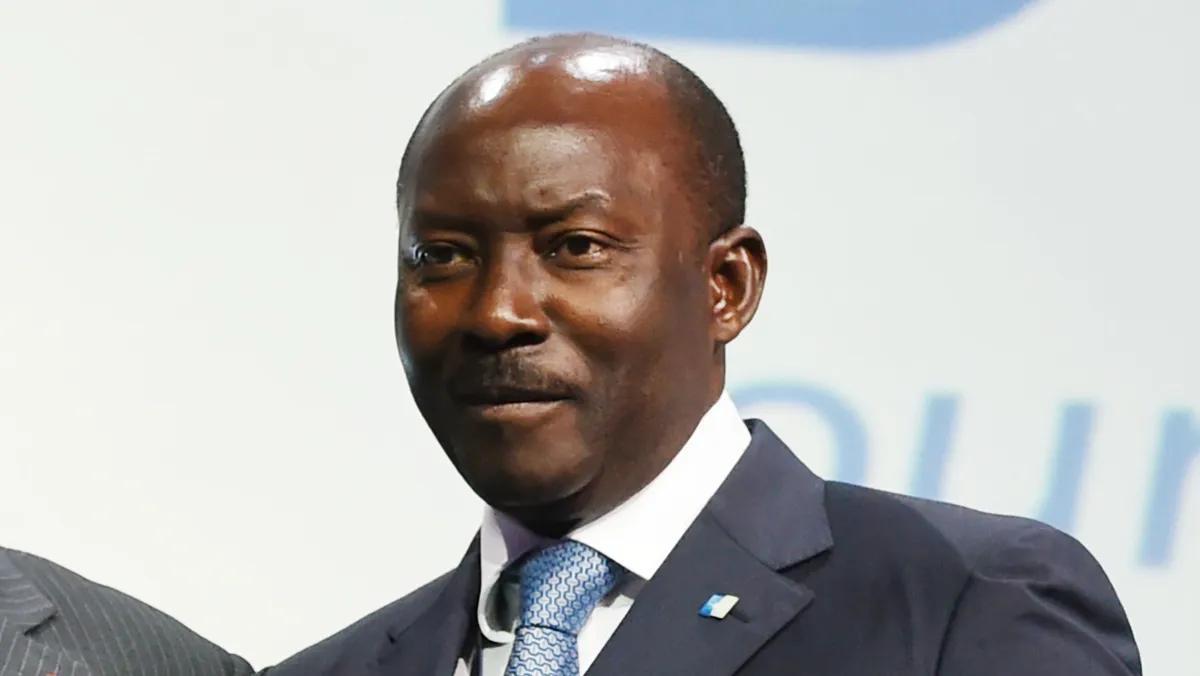
The presidential decree states that technical advisor Teri Minko will assume the role of “Minister of Economy, Finance, Debt, and Shares, responsible for combating the cost of living.” The decree also notes that another senior official, Marc Abigi, will take charge of the ministry’s budget.
Fitch Ratings attributed its decision to downgrade Gabon’s long-term foreign currency rating to the widening fiscal deficit and lack of official financing from creditors.
The agency forecasts that government debt will rise from 72.9% of GDP in 2024 to 80.4% in 2025, then to 85.5% in 2026, and finally to 86.7% in 2027.
In December, the Gabonese presidency announced plans to impose a new housing tax in 2026 to improve public lighting, road maintenance, and city cleanliness.
Reuters
Gabon, a small oil-producing nation in Central Africa, has faced economic challenges in recent years, particularly related to its reliance on oil revenues. The country has struggled with liquidity issues and rising debt levels, prompting the government to seek alternative financing sources. In recent months, the Gabonese government has been under pressure to implement reforms to stabilize its economy and address public concerns about living costs.