What You Need to Know
Israeli Foreign Minister Gideon Sa’ar visited Somaliland, marking a significant diplomatic event following Israel’s recognition of the region. The visit has drawn criticism from Somalia and other Arab and African nations, highlighting tensions over Somaliland’s quest for independence and Israel’s military interests in the region.
Africa. In a historic visit by a senior Israeli official, Foreign Minister Gideon Sa’ar arrived in Somaliland, less than two weeks after Israel recognized the self-declared republic established in 1991, which Somalia considers part of its territory.
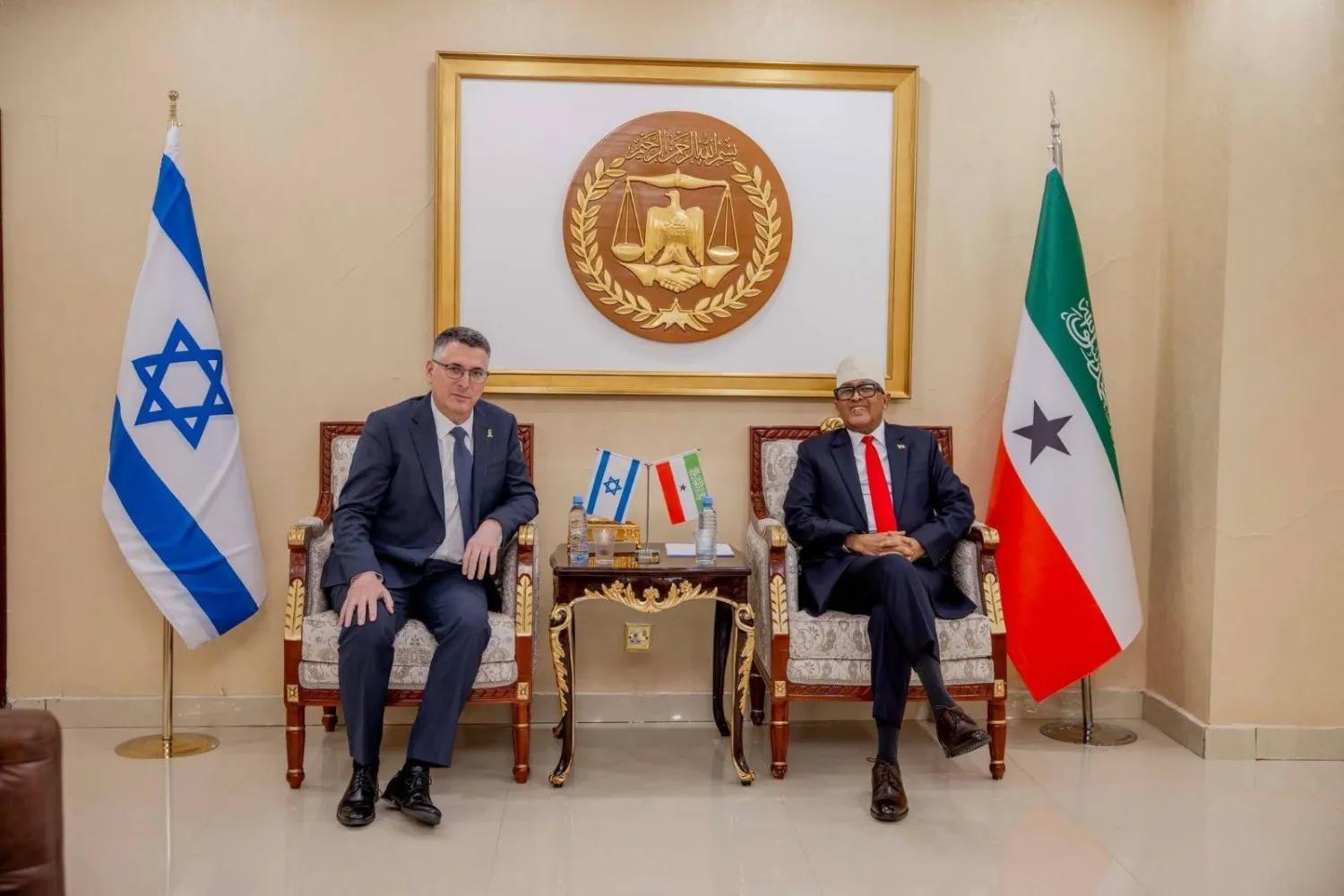
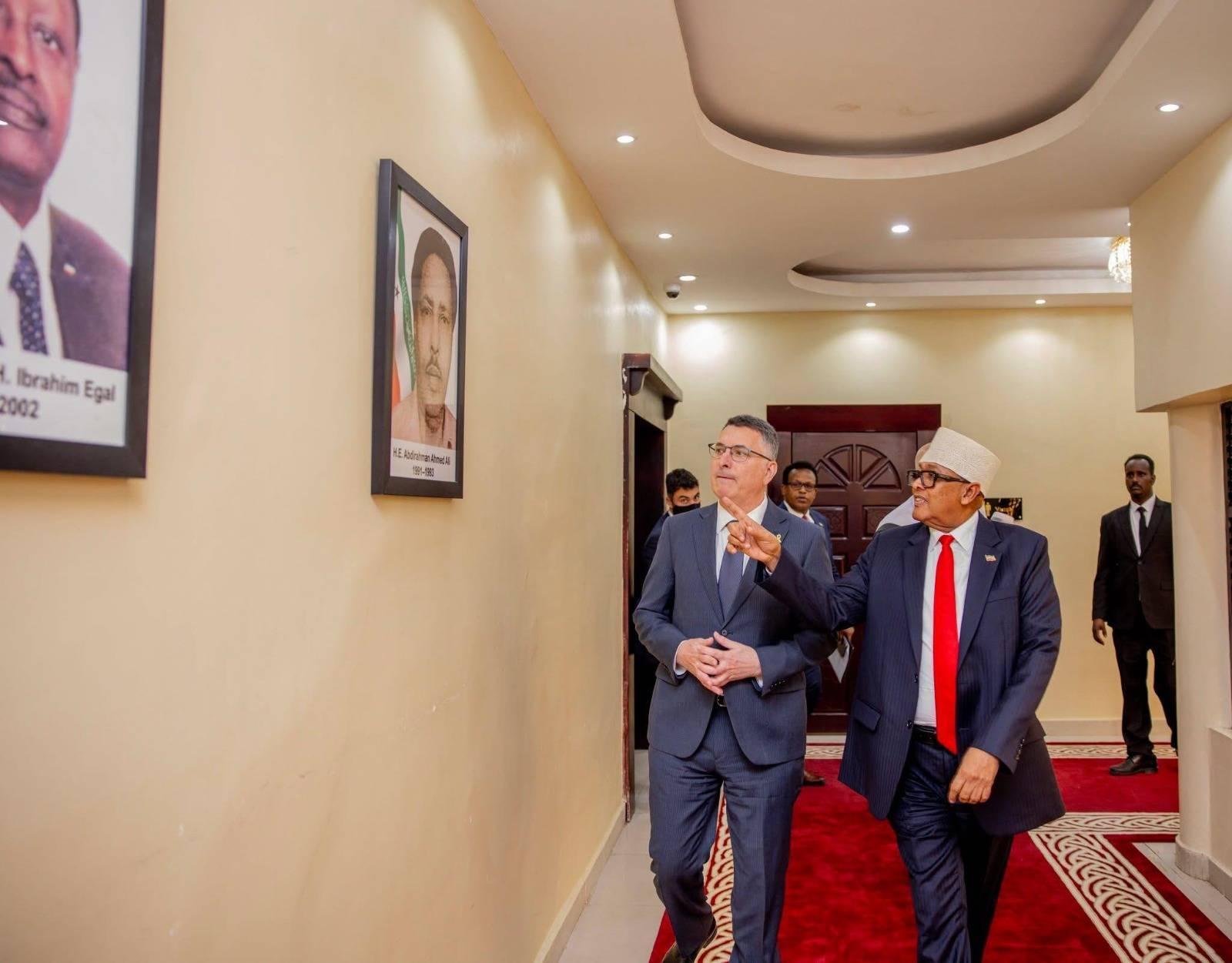
The Somaliland Ministry of Information stated that senior members of the Somaliland cabinet welcomed Sa’ar and his accompanying delegation upon their arrival at Hargeisa Airport, the capital of Somaliland. The ministry described the visit as a significant event in bilateral relations.
Sa’ar met with the President of Somaliland, Abdirahman Mohamed Abdullahi, also known as Irro, at the presidential palace. Sa’ar stated on X that the President of Somaliland accepted an invitation from Prime Minister Benjamin Netanyahu to make an official visit to Tel Aviv. He added, “This visit is also a message that we are determined to strengthen relations between Israel and Somaliland.”
Israeli broadcasting authority reported that the President of Somaliland also announced plans to open an embassy in Tel Aviv, without providing further details.
In this context, Channel 14 in Israel reported that Somaliland might allow Israel to use specific areas of its territory for military purposes, including the establishment of defense facilities.
Somali President Hassan Sheikh Mohamud stated last week that Somaliland had accepted three conditions from Israel: the resettlement of Palestinians in the region, the establishment of a military base on the Gulf of Aden, and joining the Abraham Accords to normalize relations with Israel.
Israel is the only country that has officially recognized Somaliland’s separation from Somalia, located in the northwest of Somalia along the strategic Gulf of Aden, sharing land borders with Ethiopia and Djibouti.
Analysts believe that the alliance with Somaliland is highly beneficial for Israel due to the region’s strategic location near the Bab el-Mandeb Strait, close to the Houthi movement in Yemen, which has launched repeated attacks on Israeli targets since the start of the Israeli war on Gaza.
Arab and African Condemnation
The arrival of Israeli Foreign Minister Gideon Sa’ar in Somaliland’s capital, Hargeisa, has sparked objections from Arab and African nations. The Somali Foreign Ministry, in a statement, deemed the visit a “serious violation of Somalia’s sovereignty, unity, and territorial integrity,” noting that it constitutes an unacceptable interference in the internal affairs of a sovereign UN member state.
The African Union’s Peace and Security Council called for the “immediate cancellation” of Israel’s recognition of Somaliland as an independent state. The council condemned in the strongest terms the unilateral recognition of the so-called ‘Republic of Somaliland’ by Israel, reiterating its commitment to the sovereignty, unity, and territorial integrity of the Federal Republic of Somalia, in accordance with the African Union’s founding law, the Peace and Security Council Protocol, and the United Nations Charter.
It emphasized that no actor has the right to alter the regional composition of any member state of the African Union, considering any such declaration “null and void” under international law.
The Secretary-General of the Arab League, Ahmed Aboul Gheit, strongly condemned the visit by the Israeli Foreign Minister to Hargeisa, considering it a “failed attempt to push through Israeli recognition of the separation of the northwest Somali region from the Somali state.”
Egyptian Foreign Minister Badr Abdel-Ati confirmed Egypt’s full support for the unity, sovereignty, and territorial integrity of Somalia, which is essential for the stability of the Horn of Africa and the Red Sea region. He emphasized during a session of the African Union Peace and Security Council that Egypt rejects any unilateral actions or attempts to impose parallel entities or create a new political reality outside internationally recognized legal frameworks.
Somaliland declared independence from Somalia in 1991, but it remains unrecognized by the international community. The region has sought formal recognition as a sovereign state while maintaining various bilateral agreements for investment and security cooperation. Israel’s recent recognition of Somaliland has intensified debates over the region’s status and its geopolitical significance in the Horn of Africa.