What You Need to Know
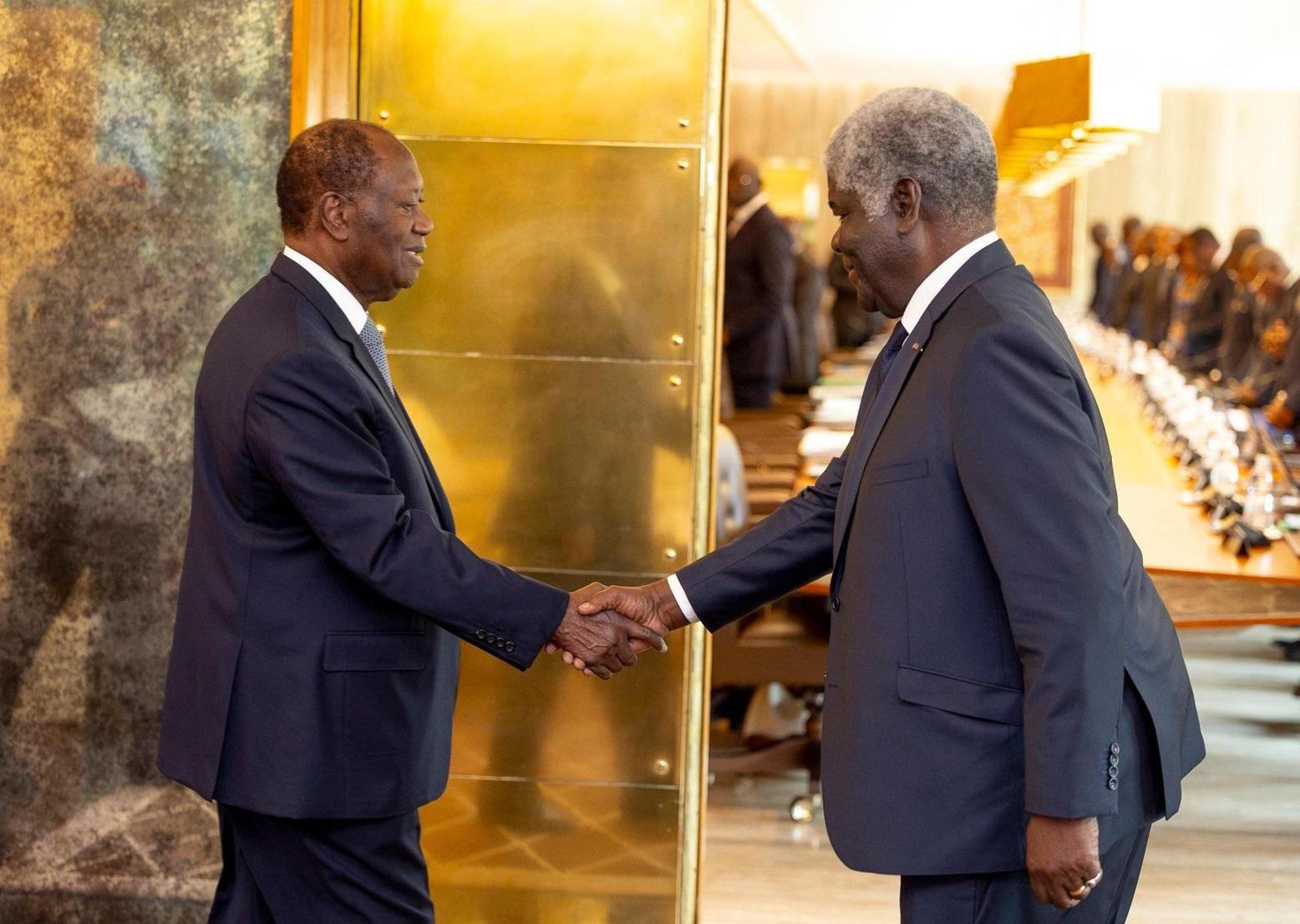
The Prime Minister and members of the Ivory Coast government officially resigned following the ruling party’s overwhelming victory in the legislative elections held on December 27. President Alassane Ouattara accepted the resignation, thanking the government for its contributions to the country’s social and economic development.
Africa. The Prime Minister and members of the government in Ivory Coast officially submitted their resignations yesterday, following the legislative elections held on December 27, which resulted in a landslide victory for the ruling party, securing over 75% of parliamentary seats. This resignation comes after President Alassane Ouattara was re-elected for a fourth term in October, receiving approximately 90% of the votes.
During a Cabinet meeting, President Ouattara announced his acceptance of the government’s resignation, expressing gratitude to the Prime Minister and government members for their contributions to the country’s social and economic development. In his opening remarks, the President stated that the ruling party’s electoral results reflect “broad support” from the people, urging efforts to accelerate the implementation of programs and projects to improve living conditions for Ivorians.
The outgoing government is expected to continue managing affairs until the announcement of the new ministerial lineup, anticipated before the end of January. Estimates suggest that most ministers will retain their positions, although the distribution of ministerial portfolios will be closely monitored.
Upcoming Political Developments
In addition to forming a new government, the political scene in Ivory Coast is awaiting the election of a new President of the National Assembly this month, along with the potential appointment of a Vice President, a position that holds the second rank in the state’s protocol. President Ouattara, who is 84 years old, is serving his final term according to the current constitution.
Ivory Coast has experienced significant political changes in recent years, particularly following the civil conflicts that shaped its governance. The ruling party’s recent electoral success reflects a consolidation of power under President Alassane Ouattara, who has been in office since 2010. His administration has focused on economic growth and stability, although challenges remain in addressing social issues and national unity.