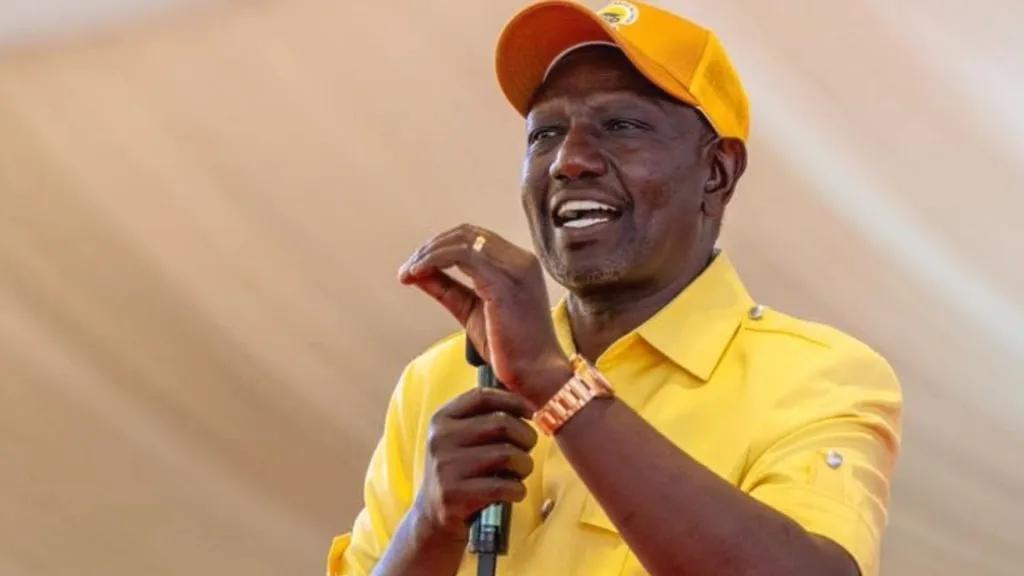
Africa-Press. Kenyan President William Ruto has ordered a strict campaign against foreigners running small businesses, emphasizing the need to protect local traders and street vendors.
His announcement comes amid growing controversy over the increasing number of African migrants working in Kenya’s vast informal economy. He stated, “Starting next week, all foreign traders operating these small businesses must close them,” and promised to expedite the passage of proposed legislation to prevent foreigners from working in certain areas of trade.
Ruto affirmed that Kenya remains open to foreign investment but stressed that investors – including Chinese traders – must create jobs and expand production instead of competing with Kenyans in small enterprises.
In a speech delivered to small traders who attended a meeting with the president at the presidential palace in Nairobi on Wednesday afternoon, he remarked, “It is unreasonable for someone from China or anywhere else to come and work as a street vendor or open a small shop.”
Ruto, who intends to run for a second term in next year’s elections, added, “We have made efforts to improve the economy, but we have not improved investor confidence regarding the influx of street vendors into Kenya.” It remains unclear how many foreigners are involved in small trade or how many will be affected by the new campaign.
Kenya hosts a large number of refugees, some of whom live and work outside refugee camps. Government statistics indicate that Kenya recorded approximately 857,000 refugees and asylum seekers by the end of June, with about 14% living in urban areas.
Kenyan law recognizes the right of refugees to work and manage businesses, provided they obtain the necessary documentation. Refugees wishing to work or engage in trade or business can apply for a special permit.
In Nairobi and other major cities, migrants from the region work in hairdressing and beauty salons, construction, ride motorcycles, and sell on the streets, in addition to selling clothing, food, and household goods.
Some fled conflicts or economic hardships in their home countries, while others moved to Kenya in search of better opportunities under the relatively free movement of individuals allowed within the East African Community, a regional bloc comprising eight countries.
The increasing presence of foreigners has sometimes caused tensions with local traders and workers who accuse them of competing for scarce jobs and opportunities.
In July, a video of a Kenyan confronting a Burundian trader in Nairobi and accusing him of exploiting opportunities available to locals sparked widespread criticism. This confrontation prompted Fred Ngoga, a regional conflict prevention expert from Burundi, to call for the protection of his fellow citizens.
He stated at the time, “Most Kenyans are kind and generous people who welcome their brothers and sisters from Burundi,” adding that most Kenyans rejected the hostility directed at the trader. The Kenyan Ministry of Foreign Affairs also sought to reassure Burundians and other East African residents in the country following the incident.
Although Ruto’s recent move is likely to provoke widespread debate given Kenya’s status as a regional economic hub, it also comes amid broader concerns about xenophobia in other parts of Africa.
South Africa has witnessed a wave of protests against illegal migrants this year, with tens of thousands of Africans choosing to return to their home countries voluntarily, reporting experiences of intimidation and assaults.