What You Need to Know
A parliamentary inquiry in Kenya has uncovered a troubling pattern of sexual misconduct by British troops stationed in the country. The investigation highlights growing frustrations regarding the behavior of the British Army Training Unit Kenya (BATUK), which has faced numerous allegations, including environmental damage and the tragic death of a local woman.
Africa. Kenyan lawmakers have identified a “disturbing trend” of misconduct by British troops, as a parliamentary inquiry in Kenya accuses the British forces training there of engaging in a pattern of sexual misconduct and environmental harm, leading to the perception of the former colonial forces as an “occupying presence.”
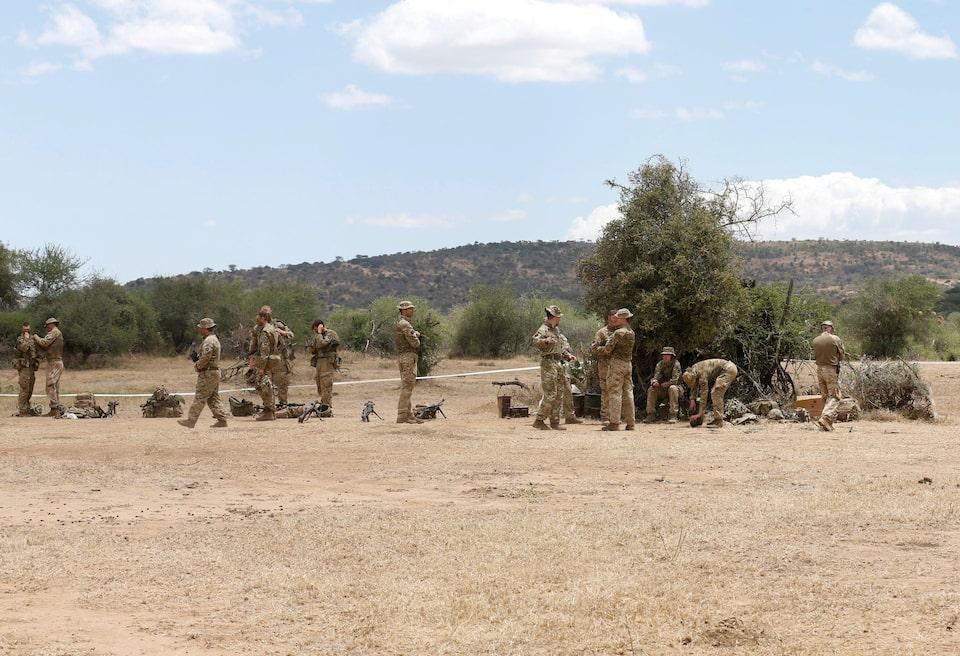
The findings of the inquiry, conducted by a parliamentary committee focusing on defense and foreign relations, highlight increasing frustration in the East African nation regarding the behavior of soldiers from the British Army Training Unit Kenya (BATUK), who have faced a series of allegations that have received extensive media coverage in recent years.
A spokesperson for the British Ministry of Defence stated that the ministry deeply regrets “the challenges that have arisen regarding our defense presence in Kenya,” affirming its readiness to investigate the new allegations outlined in the report once evidence is provided. Thousands of British soldiers can pass through Kenya for training missions in any given year.
The most notable allegations relate to the killing of 21-year-old Agnes Wanjiru in 2012 near the British troops’ training camp in Nanyuki. A suspect, a British soldier named Robert Burkess, was arrested in Britain last month after years of campaigns by Wanjiru’s family and Kenyan human rights organizations, which claimed that her killers were protected by a defense cooperation agreement between the two countries. Burkess, who is now facing extradition hearings, has denied any involvement in Wanjiru’s death.
The committee’s report, dated November 25 and published on the parliamentary website on Tuesday, stated that it “revealed a disturbing trend of sexual misconduct by BATUK personnel, characterized by rape, assault, and abandonment of children born to soldier fathers.”
It noted that public hearings in areas where BATUK trains uncovered evidence of numerous injuries and deaths among Kenyans employed by British forces to clear unexploded ordnance without protective equipment, as well as environmental damage caused by the illegal disposal of toxic materials. It added: “BATUK is increasingly viewed as an occupying entity rather than a partner in development.”
In a statement submitted to the parliamentary committee, BATUK confirmed that it does not tolerate any form of sexual exploitation and abuse and takes any allegations seriously. It added that environmental audits have shown high levels of compliance with Kenyan regulations.
Kenya has a long history of British military presence, dating back to colonial times. The British Army Training Unit Kenya (BATUK) was established to provide training for British soldiers in a diverse environment. However, this presence has often been met with scrutiny and criticism, particularly regarding the conduct of troops and their impact on local communities. Recent allegations of misconduct have reignited debates about the legacy of colonialism and the responsibilities of foreign military forces in host nations.