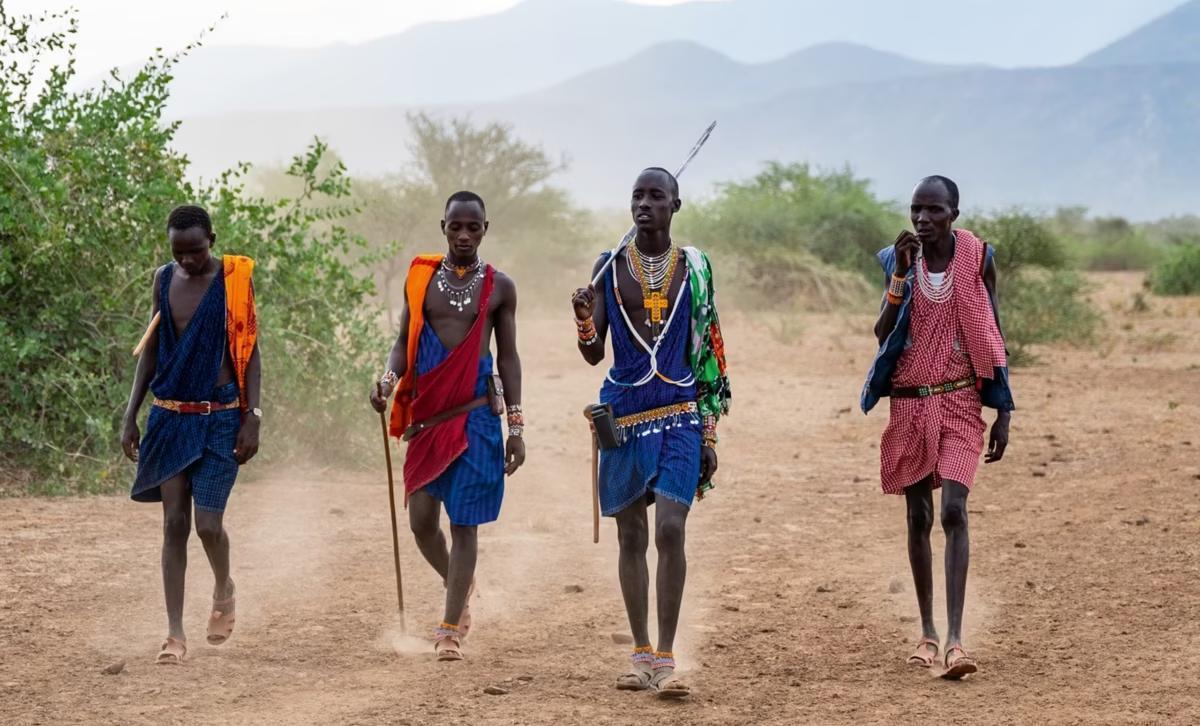
Africa-Press. The United Nations Committee on the Elimination of Racial Discrimination has called on Tanzania to immediately halt the forced eviction of Maasai individuals from their ancestral lands in the Ngorongoro and Loliondo regions located in the Arusha region (north), and to address reported violations by law enforcement agencies, including arbitrary arrests and excessive use of force.
The committee, known as “CERD,” has acted under early warning and urgent action procedures, expressing concern over long-reported violations, including forced evictions and relocations, as well as restrictions on access to ancestral lands, areas, and natural resources.
The committee expressed serious concern over reports indicating that plans and measures aimed at expanding environmental conservation and tourism projects have led to the displacement and relocation of large numbers of Maasai individuals from their ancestral lands in Ngorongoro and Loliondo, without adequate and meaningful consultations, and without obtaining their free, prior, and informed consent.
It also expressed grave concern over reports that indigenous Maasai individuals opposing forced evictions and relocations have repeatedly faced arbitrary arrests and detention, as well as acts of retaliation, intimidation, and harassment.
The committee stated that restrictions on access to grazing areas, water sources, and cultural sites, alongside the decline or deterioration of healthcare, education, water, and other essential services in the protected area, have negatively impacted the enjoyment of economic, social, and cultural rights by the Maasai people, exerting pressure on them to move from their ancestral lands.
The committee also highlighted hate speech and stigmatization of the Maasai, including portraying them as obstacles to environmental conservation and development efforts in Tanzania.
It added that human rights defenders, members of civil society organizations, activists, lawyers, and journalists working to promote Maasai rights have faced intimidation, harassment, and acts of retaliation due to their human rights work.
It stated that in cases where forced evictions cannot be avoided, suitable alternative housing and compensation should be provided to affected families and individuals, alongside ensuring their access to effective remedies.
It also urged the timely publication of the results and recommendations of the two main committees formed in February 2025 to examine land use policies, resettlement, and environmental conservation in the protected Ngorongoro area.
The committee demanded the effective participation of the indigenous Maasai people in decisions regarding the future of the region.