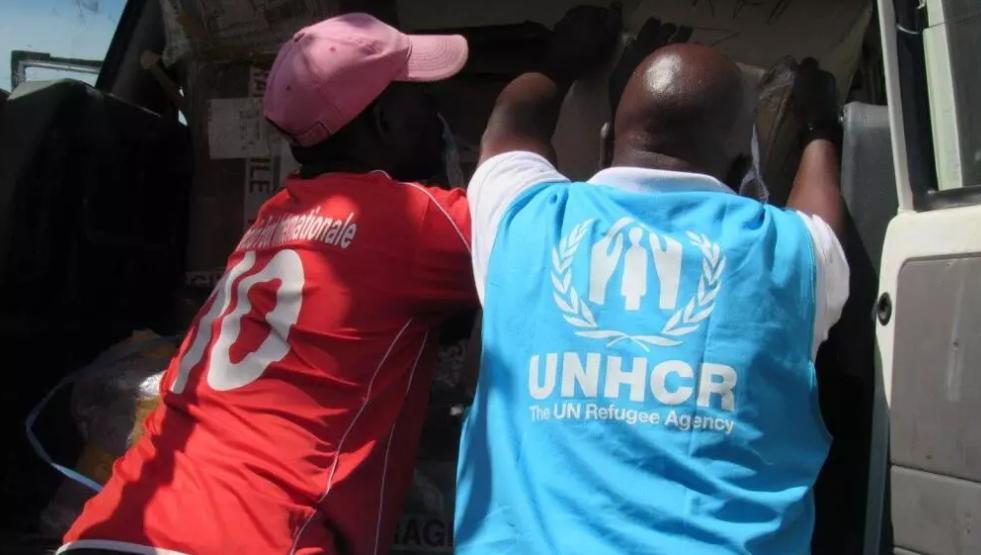
Africa-Press. The UN High Commissioner for Refugees is facing increasing challenges in delivering humanitarian aid due to the escalating crisis in the Hormuz Strait, which has cast a shadow over global supply chains and significantly raised transportation costs.
The Commission stated that shipping disruptions and rising fuel prices have forced it to adjust its logistical strategies, leading to delays in delivering vital supplies, particularly to African countries already suffering from worsening humanitarian crises. It emphasized that these repercussions disproportionately affect the most vulnerable groups.
Kenya, a key regional hub for supply operations, has seen fuel prices rise by about 15%, impacting the pace of aid transport. Additionally, the number of trucks available for transporting supplies to Ethiopia, the Democratic Republic of the Congo, and South Sudan has decreased, exacerbating delays.
In Sudan, which is facing one of the worst humanitarian crises globally, the cost of delivering aid has doubled in recent months, especially as shipments have had to take alternative routes around the Cape of Good Hope, adding approximately 25 days to delivery times.
The Commission’s spokesperson, Carlotta Wolf, from Geneva, stated that “those in need are receiving supplies with delays that do not reflect the urgency of the situation,” noting that the cost of some shipments has doubled, such as transporting relief materials from Dubai to Sudan and Chad, where costs increased from about $900,000 to $1.87 million.
The Commission warns that these developments come at a time when it is facing increasing financial pressures due to declining funding from donors, threatening its ability to respond effectively to the growing humanitarian needs, particularly in Africa, which is experiencing intertwined crises that often do not receive adequate attention.