Africa-Press. Two representatives in the U.S. House of Representatives have introduced a bill urging the U.S. administration to develop a comprehensive strategy to counter the expansion of groups linked to al-Qaeda in Mali and the Sahel, coinciding with the rising activity of armed groups in Mali, Niger, and Burkina Faso.
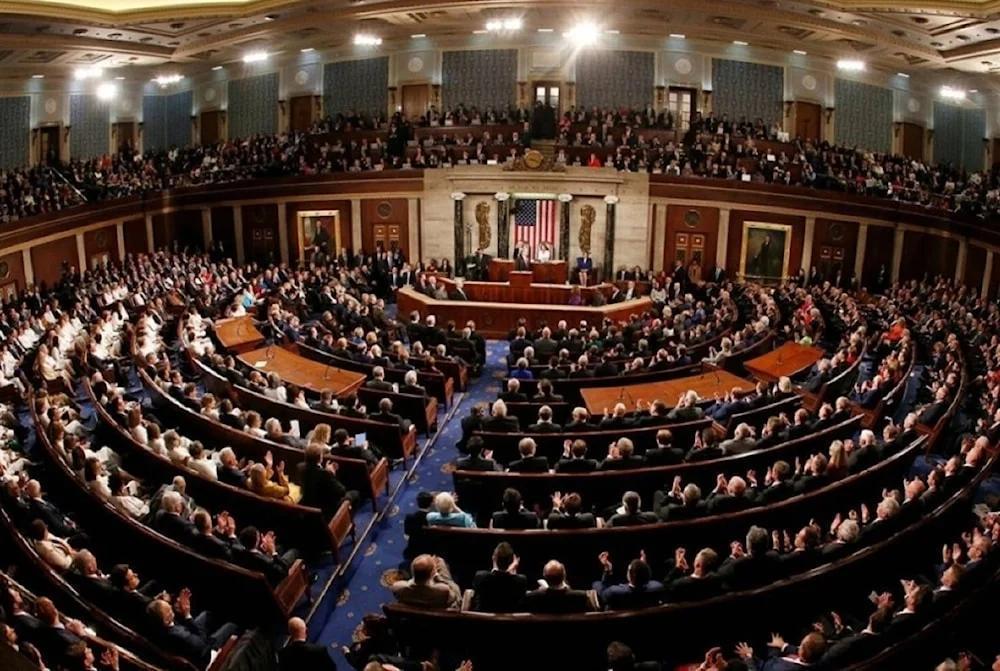
According to a local source, Democratic Representative Jimmy Panetta, along with Republican Representative Joe Wilson, presented the “Security Partnership and Counterterrorism Act for Mali,” which has been referred to the House Foreign Affairs Committee. The bill has not yet been approved and therefore does not currently represent an executive decision to send troops or new military aid to Sahel countries.
The bill requests the U.S. State Department to prepare a diplomatic strategy to confront the “Group for the Support of Islam and Muslims” and other organizations linked to al-Qaeda, assessing their geographical spread, operational capabilities, and connections to armed networks in Burkina Faso and Niger.
Panetta stated that “Mali cannot be addressed in isolation from the broader security challenges in the Sahel,” noting that “developments in Niger and the cross-border expansion of armed groups increase the risks of instability in the region.”
The bill includes a detailed assessment of the funding sources for armed groups, particularly their exploitation of Mali’s gold sector, illicit trade networks, smuggling, extortion, and taxes imposed in their areas of influence. It also calls for identifying money transfer methods, intermediary networks, and routes used to finance armed organizations, as well as reviewing the effectiveness of current U.S. sanctions and tools in cutting off funding sources.
This comes amid UN estimates indicating an increase in the financial capabilities of the “Group for the Support of Islam and Muslims,” with a report referenced by the local source noting that a large ransom paid for hostages in late 2025 contributed to enhancing the group’s resources. The bill also addresses the expansion of Russian military influence in Mali and its impact on security, stability, governance, and Western relations with Sahel countries.
Mali has increasingly relied on Russian military support since 2021, gradually shifting its roles to the “Russian Africa Corps.” Despite this, the “Group for the Support of Islam and Muslims” and other armed organizations have continued to expand their activities in parts of Mali and neighboring countries. Mali, Burkina Faso, and Niger have strengthened their security cooperation through the “Sahel Alliance,” as the three countries work on developing a joint force to address cross-border armed groups.
According to the bill’s sponsors, the U.S. initiative aims to reassess Washington’s tools in the region and identify opportunities for bilateral and regional cooperation, but it does not currently include a decision to redeploy U.S. forces or provide a direct military aid package to the governments of Mali, Niger, or Burkina Faso.
The United States is attempting to re-engage in the Sahel region following its withdrawal from Niger and the decline of French and European military presence in the area under the pretext of combating terrorism and the increasing military operations of armed groups.