Mohamed Taha Tawakol
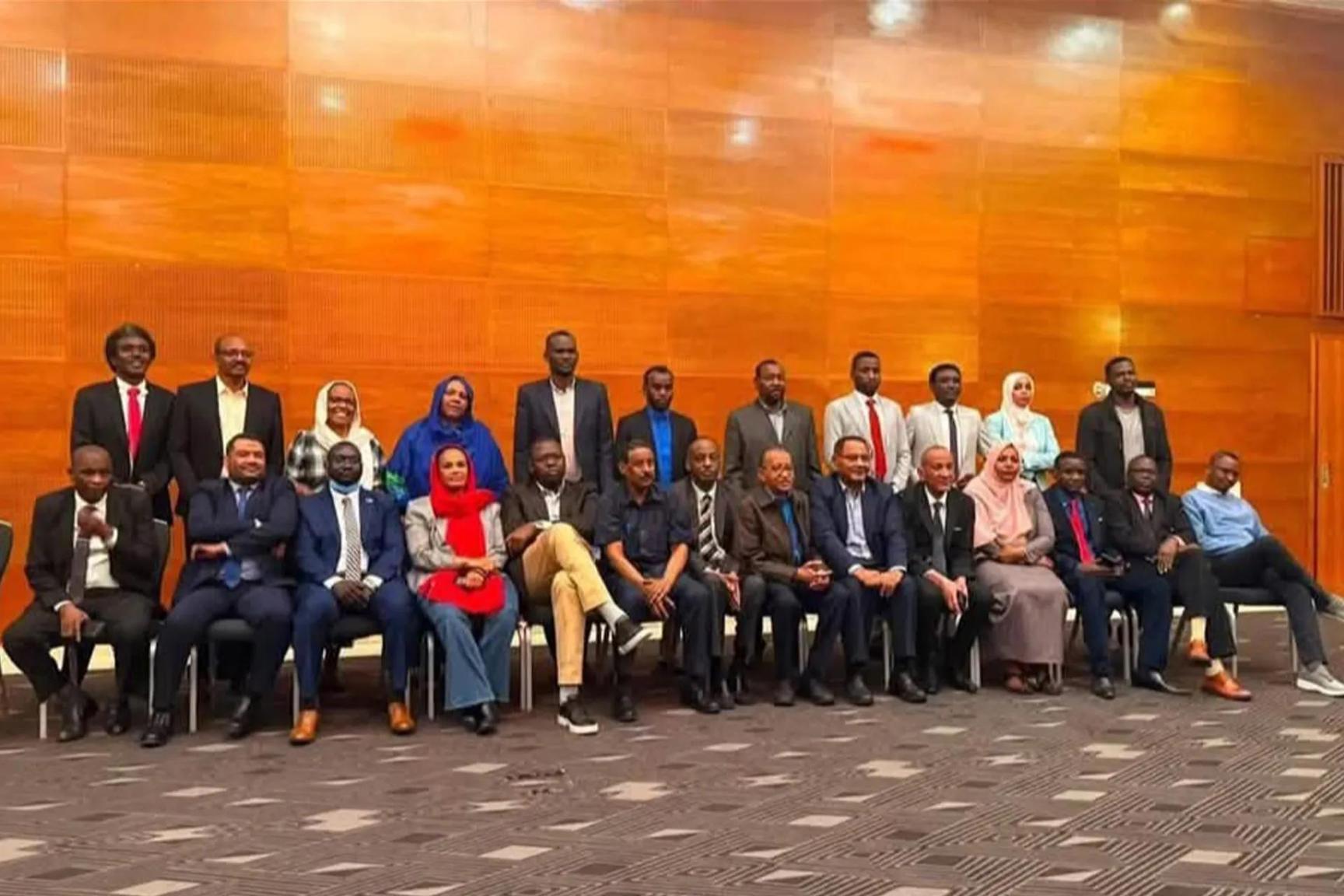
Africa-Press. After two days of intensive consultations in the Ethiopian capital Addis Ababa, Sudanese political and civil forces succeeded in reaching a common vision to launch a political process aimed at ending the war, despite disagreements that threatened to undermine the understandings at the last moment.
This consensus is viewed as an important development in the Sudanese political scene, representing the first direct dialogue among key components of the civil and political forces that were previously part of the Forces of Freedom and Change since the outbreak of the war in April 2023. It also opens the door for broader discussions about the future of the political process and the nature of participation in the upcoming phase.
Three main components participated in the meetings: the Democratic Bloc, the Solidarity Alliance, and the Foundation Alliance. However, the discussions that led to the final consensus primarily took place between the Democratic Bloc and the Solidarity Alliance, while the relationship between the Democratic Bloc and the Foundation Alliance remained varied, as some factions within the Democratic Bloc refused to sit in a joint framework with the Foundation Alliance.
The participating political forces announced that they had reached a common vision to launch a comprehensive political process leading to the end of the ongoing war in Sudan, establishing sustainable peace that addresses the roots of the national crisis and lays the foundations for a civil democratic state based on citizenship, justice, and the rule of law.
Discussion, Negotiation, and Review
The announcement came after meetings that took place on June 3 and 4, where the participating forces confirmed that the country is facing one of the most dangerous crises in its modern history, amid the ongoing war and the extensive human losses, economic and social destruction, and the displacement and refuge of millions of Sudanese.
Participants believe that addressing the current crisis requires moving beyond piecemeal approaches and temporary agreements that have characterized the Sudanese political scene over the past decades, transitioning to a comprehensive political process that deals with the roots and structural causes of the conflict, not just its immediate consequences.
The document starts from a critical assessment of the political initiatives and agreements that Sudan has witnessed in recent years, considering that most of them have failed to build lasting peace or sustainable stability due to their reliance on piecemeal solutions or arrangements between specific parties, without addressing the fundamental issues related to the nature of the state, the system of governance, the distribution of power and wealth, and the relationship between the center and the regions.
The document indicates that the current war has unprecedentedly revealed the fragility of the Sudanese state and the failure of political and military elites to build a comprehensive national consensus, which necessitates establishing a new political process based on broad participation of Sudanese citizens and grounded in a long-term strategic vision.
According to sources participating in the meetings, the issue of the participation of the dissolved National Congress Party in the upcoming political process was a point of contention. While some factions within the Democratic Bloc insisted on the necessity of not excluding any political force from the dialogue, others, led by the Sudan People’s Liberation Movement under Yasser Arman and the Sudan Liberation Movement under Abdul Wahid Mohamed Nour, rejected any wording that could open the door for the party’s participation.
Although the parties had reached agreements on most of the issues raised, this file nearly obstructed reaching a final agreement. However, participants ended up with a settlement that postponed resolving the issue to later stages of the political process, granting each party the right to register its position and reservations, which allowed them to overcome the obstacle and proceed towards approving the joint documents.
The Last War
The proposed vision adopts a national project aimed at making the war that erupted in April 2023 the last war witnessed by Sudan, through establishing a new social contract that addresses the causes that led to repeated conflicts and instability.
The participating forces believe that ending the war should not be limited to a ceasefire but must serve as an entry point for rebuilding the Sudanese state on new foundations that ensure political stability, development, social justice, and equal citizenship.
The document proposes that the political process be based on three interconnected main tracks, so that none of them can achieve its goals separately from the other two.
– **Humanitarian Track**: This track prioritizes addressing the humanitarian catastrophe by lifting the siege on affected cities and areas, ensuring the unrestricted delivery of humanitarian aid, protecting civilians, and providing the necessary conditions for the voluntary and safe return of displaced persons and refugees to their areas.
It also emphasizes the need to treat the humanitarian file as a fundamental right of citizens that should not be linked to political or military disputes, ensuring the freedom of humanitarian organizations to operate and facilitating their access to those in need throughout the country.
– **Security Track**: This track focuses on ending the war through dialogue among the parties leading to a permanent and comprehensive ceasefire, based on what has been reached in the Jeddah Declaration and relevant regional and international efforts.
The document views that any security agreement should be part of a broader political process and should not turn into a temporary settlement that reproduces the causes of conflict or postpones its explosion to a later stage.
– **Political Track**: This track is considered the essence of the proposed process, aiming to launch a wide Sudanese-Sudanese dialogue that discusses the roots of the national crisis and lays the foundations for a new social contract that defines the shape of the state, the system of governance, and the relationship between its various institutions.
It also addresses issues of citizenship, identity, the relationship between religion and state, power and wealth sharing, the future of the federal system, and reforming state institutions, culminating in the establishment of a sustainable civil democratic system.
Transitional Justice and Accountability
The document emphasizes that achieving lasting peace requires accountability, stressing the importance of holding those responsible for war crimes and serious human rights violations committed during the conflict accountable.
It also calls for adopting a comprehensive transitional justice system that includes truth-telling, reparations for victims, and community reconciliation, ensuring the addressing of the deep social and psychological impacts of war and rebuilding trust among the components of Sudanese society.
The vision proposes a civil democratic state based on full equality among citizens without discrimination, respecting the cultural, ethnic, and religious diversity that characterizes Sudan.
It also calls for addressing historical developmental imbalances between different regions, focusing on issues of poverty, marginalization, and rural areas, and redirecting state resources towards development and essential services instead of armed conflicts.
The document views balanced development as one of the most important guarantees to prevent the return of armed conflicts in the future, and that building peace is inseparable from achieving economic and social justice.
Creating a Climate for Dialogue
To ensure the success of the political process, the document proposed a package of measures to create a conducive climate, including:
– Stopping hate speech, racism, and incitement.
– Releasing detainees and abductees and revealing the fate of the missing.
– Ensuring freedom of movement for civilians and lifting the siege on cities and villages.
It also called for expanding the civil and political space to allow various national forces to participate in the upcoming dialogue, creating a suitable environment for building trust among the different parties.
The initiative calls for forming a preparatory committee to prepare for the comprehensive Sudanese dialogue, establishing the foundations for participation, decision-making mechanisms, and the agenda and issues to be discussed.
This arrangement aims to ensure that the political process is owned by the Sudanese themselves, while benefiting from regional and international support without it turning into guardianship over national decision-making.
In conclusion, the participating forces called on all Sudanese men and women to support the peace path and joint efforts to end the war, and urged regional and international forces to enhance peace efforts and support the political process to contribute to restoring security and stability.
They confirmed that the consensus reached in Addis Ababa reflects a growing will within Sudanese political and civil circles to transition from the logic of war and conflict to the logic of dialogue and national consensus, opening the way for a new phase based on freedom, justice, equal citizenship, development, and sustainable peace.