What You Need to Know
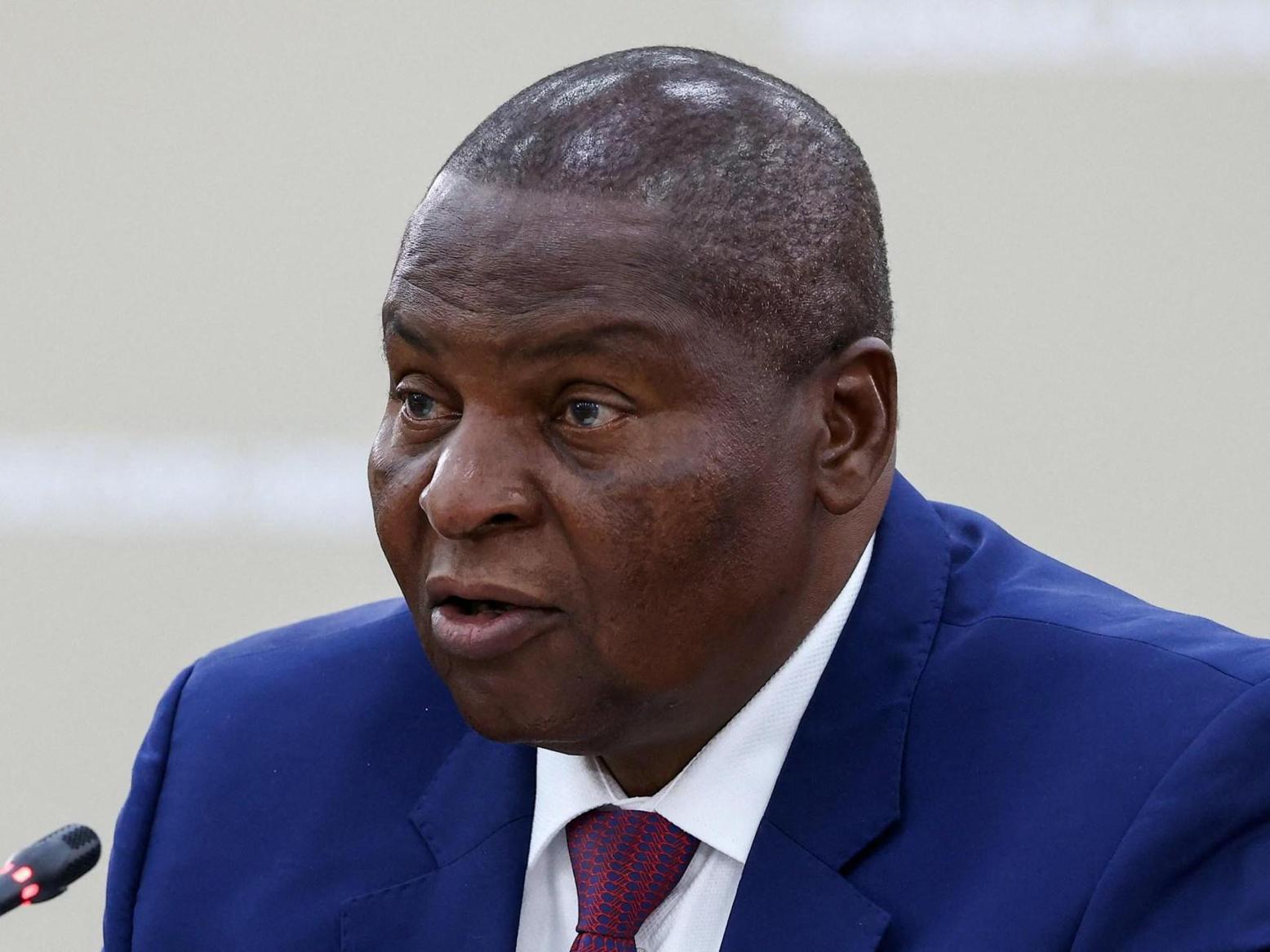
Central African Republic’s President Faustin-Archange Touadera is vying for a third presidential term in elections held today, boasting security gains. His constitutional referendum in 2023, which removed presidential term limits, has drawn criticism from opponents who accuse him of seeking lifelong rule. Observers suggest his victory would bolster Russian interests in the country.
Africa. Central African Republic’s President Faustin-Archange Touadera, 68, is aiming for a third presidential term in the elections held today, boasting about the security gains achieved. In 2023, Touadera oversaw a constitutional referendum that abolished presidential term limits, which angered his opponents who accused him of seeking to remain in power for life.
Observers believe that a victory for Touadera, the most likely scenario, would strengthen Russian interests in the country, as Moscow has gained security privileges in exchange for access to natural resources, including gold and diamonds, as well as lithium and uranium reserves that the president is offering for international investment.
Since 2018, the Central African Republic has employed Russian Wagner mercenaries, becoming the first country in West and Central Africa to take this step, followed by Mali, Burkina Faso, and Niger. In 2020, Rwandan forces intervened to support Touadera’s government against rebel threats, which disrupted voting in about 14% of polling stations at that time.
Despite signing several peace agreements with rebel groups this year, the security situation remains fragile, as the disarmament and reintegration process has not been completed. Additionally, incursions by fighters from neighboring Sudan are fueling instability in the eastern part of the country.
Limited Opposition Chances
Six opposition candidates are competing in the elections, including former Prime Ministers Anicet-Georges Dologuélé and Henry-Marie Dondra, who faced attempts to disqualify them on the grounds of holding foreign nationalities. Although they remain in the race, analysts believe their chances are limited against Touadera’s influence and control over state institutions and financial resources.
Last month, Human Rights Watch stated that objections to the candidacies of some opposition figures “align with a pattern of administrative maneuvers that have disproportionately hindered opposition politicians,” noting that their late entry into the race raises questions about the availability of real choices for voters.
The presidential elections are being held concurrently with legislative and local elections, with preliminary results expected to be announced by January 5. If no candidate receives more than 50% of the votes, a presidential runoff will take place on February 15, while the legislative runoff will be held on April 5.
Since 2018, the Central African Republic has relied on Russian Wagner mercenaries, becoming the first country in West and Central Africa to do so. This move was followed by similar actions from Mali, Burkina Faso, and Niger. In 2020, Rwandan forces intervened to support Touadera’s government against rebel threats, disrupting voting in about 14% of polling stations at that time.
Despite signing several peace agreements with rebel groups this year, the security situation remains fragile. The disarmament and reintegration process is incomplete, and incursions by fighters from neighboring Sudan exacerbate instability in the eastern part of the country.