
What You Need to Know
Israel’s recent recognition of Somaliland as an independent state has sparked various interpretations regarding its motivations and implications for the Horn of Africa. Prime Minister Benjamin Netanyahu framed the decision within the context of the Abraham Accords, while Somali officials condemned it as a violation of Somalia’s sovereignty.
Africa. Since Israel’s announcement of its official recognition of Somaliland, various interpretations and analyses have emerged regarding the objectives of this step and its relationship with the calculations and agenda of Israeli Prime Minister Benjamin Netanyahu, particularly in the Horn of Africa.
Netanyahu announced on Friday the official recognition of “the Republic of Somaliland as an independent and sovereign state,” framing the decision within the context of the “Abraham Accords.” Meanwhile, the Somali presidency deemed it a violation of Somalia’s sovereignty and territorial integrity.
Analysts indicate that the Israeli move is linked to an old strategy, as Israel has been interested in the Horn of Africa since the 1950s and 1960s. Political analyst Abdul Qadir Mohamed Ali explained on the program “Beyond the News” that Israel revived this strategy in recent years, especially between 2010 and 2011.
According to Mohamed Ali, Israel’s renewed interest in the Horn of Africa followed the rise of resistance movements in Gaza and southern Lebanon, as well as the repercussions of the Arab Spring and the emergence of Turkey’s role in the region.
Another reason for Israel’s recognition of Somaliland is the strategic location of this entity, which overlooks the Gulf of Aden and the Bab el Mandeb Strait. This will allow Tel Aviv to monitor Houthi movements in Yemen and oversee maritime navigation in that area.
According to Israeli beliefs, recognizing Somaliland will isolate this region from its surroundings and create an Israeli enclave, as stated by political analyst Abdul Qadir Mohamed Ali.
Academic and Israeli affairs expert Dr. Mohannad Mustafa shares a similar view regarding the Israeli decision. He identified Israel’s objectives behind recognizing Somaliland as approaching the Houthi front and controlling maritime navigation in the Red Sea, in addition to countering Turkish influence in Somalia.
Another strategic goal for Israel, according to Mustafa, is to send a message to all that it is actively changing the Middle East and controlling the pace of these changes.
Regarding what Somaliland seeks from Israel in return, senior researcher at the Al Jazeera Center for Studies, Dr. Laqaa Maki, stated on the program “Beyond the News” that it involves security and technological and agricultural assistance.
Somaliland also aims to gain protection from Israel and to use its relationship with Israel as a gateway to relations with the United States and other countries, seeking international recognition and support from international institutions in terms of loans and investments.
On the other hand, Maki does not rule out that the Israeli decision to recognize “the Republic of Somaliland” is related to Israel’s efforts to displace Palestinians from their land, especially since the region may receive funds in exchange for that. However, he noted that there are obstacles that may hinder achieving this goal, related to the Palestinians themselves, as they refuse displacement, and the fact that Somaliland is an unrecognized entity internationally.
In March, the Associated Press reported that the United States and Israel offered officials in three African countries to settle Palestinians from Gaza on their territories. The agency mentioned that communication occurred with officials from Sudan, Somalia, and the separatist region of Somaliland regarding the proposal. It revealed that Sudanese officials stated they rejected the American proposal, while officials from Somalia and Somaliland claimed they were unaware of any communications in this regard.
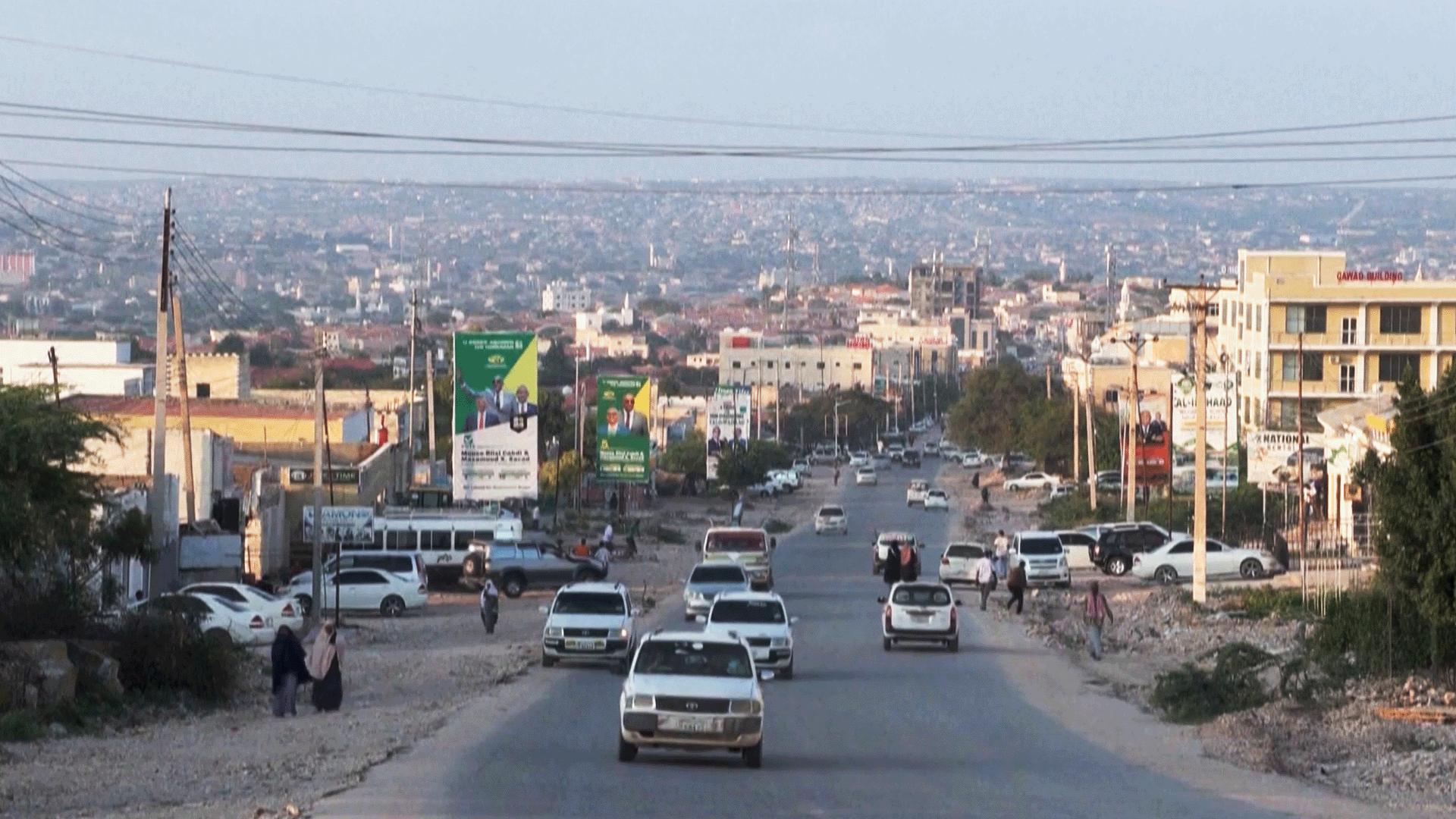
It is worth noting that Somaliland is located in the northwestern part of Somalia and has not enjoyed official recognition since declaring independence from Somalia in 1991. The Somali government refuses to recognize the region as an independent state and considers it an integral part of the territory of the Republic of Somalia, viewing any direct deal or transaction with it as an assault on the country’s sovereignty and unity.
Israel has shown interest in the Horn of Africa since the 1950s and 1960s, driven by geopolitical strategies and regional dynamics. The recent recognition of Somaliland can be seen as a revival of this strategy, particularly in light of the rise of resistance movements in Gaza and southern Lebanon, as well as the impact of the Arab Spring and Turkey’s growing influence in the region.
The strategic location of Somaliland, overseeing the Gulf of Aden and the Bab el Mandeb Strait, is crucial for Israel. This recognition could allow Israel to monitor Houthi movements in Yemen and control maritime navigation in the area.