What You Need to Know
The influx of African crowds in Morocco has significantly boosted economic activity, particularly in cities like Rabat, where local businesses are thriving. The ongoing Africa Cup of Nations has not only increased tourism but also revitalized traditional markets and restaurants, showcasing the intersection of sports and economic growth.
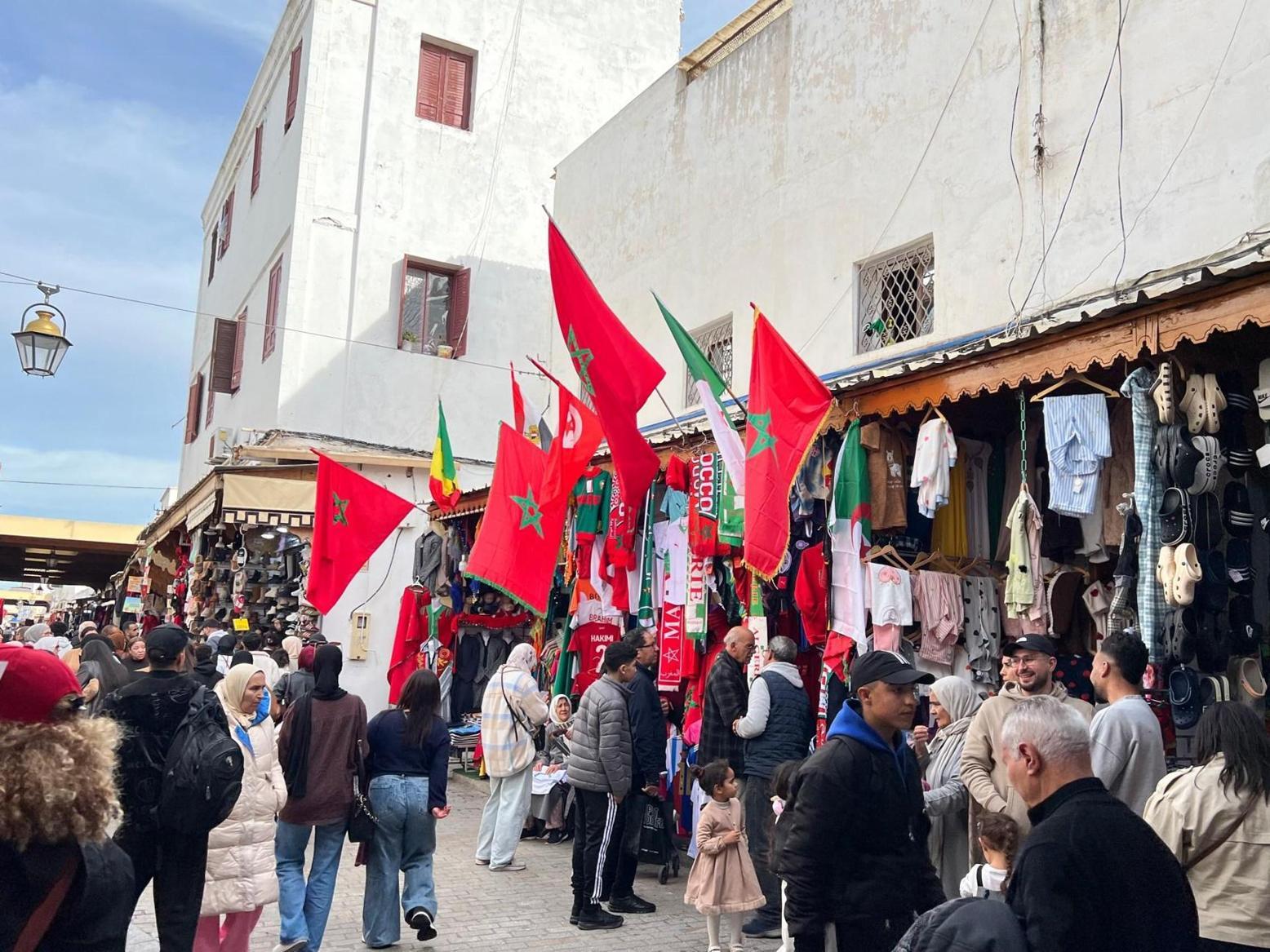
Africa. The Moroccan capital, Rabat, is experiencing unprecedented economic activity with the influx of African crowds for the Africa Cup of Nations, known as “the CAN,” for over two weeks now.
This activity reflects the blend of sports and tourism to enhance the local economy, especially in historical sites and traditional markets in Morocco.
Among the beneficiaries of this movement is Mohamed Bouhlal, owner of the “Bahia” restaurant in the old city of Rabat, which has transformed from a family home into a popular eatery since 1970.
Bouhlal states, “We did not record such attendance last year, and we did not expect to experience it this year,” noting that rain and cold usually limit commercial activity. However, the presence of African crowds has changed the equation.
The famous restaurant in Rabat is seeing a high demand for traditional Moroccan dishes such as meat tagine with prunes, chicken tagine with vegetables, couscous, and charcoal-grilled meats.
This commercial boom has prompted local authorities to extend restaurant and café closing hours until 2 AM to ensure that professionals benefit from the influx of crowds after matches, while maintaining quality and safety through regular inspection visits and food sampling.
Rabat at the Center of Activity
Rabat hosts nearly 48% of the CAN matches (18 matches) across four main stadiums, revitalizing its historic alleys and popular restaurants, according to Nour Eddine El Harraq, president of the National Association of Cafés and Restaurants in Morocco.
El Harraq adds that economic activity extends even to areas far from the stadiums, especially on days when the Moroccan national team and other Arab teams like Tunisia, Egypt, and Algeria play.
He states that the profits achieved during the continental tournament are unprecedented, particularly in popular restaurants serving traditional meals, emphasizing that the event provides a strong boost to the restaurant sector.
Boom in CAN Cities
In addition to Rabat, other cities are hosting the Africa Cup of Nations, including Casablanca (8 matches), Agadir (8), Marrakech (8), Tangier (6), and Fez (4).
Estimates suggest that the number of fans arriving from outside Morocco could range between half a million and one million supporters from December 21, 2025, to January 18, 2026.
Abdullah Boulghemir, deputy mayor of Agadir responsible for economic activities, states that the Africa Cup represents an opportunity to enhance the city’s image and economic dynamism. Boulghemir added that hotel occupancy rates in Agadir have significantly increased, ranging from 60% to 100% depending on the hotel classification, and the tourism momentum has positively impacted restaurants, cafés, transportation, and traditional industries in the coastal city.
In Casablanca, Morocco’s largest city, Mohamed El Sawti, president of the Regional Association of Hotel Industry, noted that hotels have clearly benefited from the influx of African football fans, indicating that the hotel and tourism sector prepared early for the tournament through training and awareness sessions to ensure service quality.
He explained that the Africa Cup represents an opportunity to assess the sector’s readiness for larger future events, notably the 2030 World Cup, which Morocco will host in collaboration with Spain and Portugal.
A Chance for Tourism Promotion
The economic revival resulting from Morocco hosting the Africa Cup of Nations also includes shops, souvenir stores, transportation services, and recreational activities.
Hamid Ben Taheer, president of the National Confederation of Tourism, explained in a statement that indicators until last November recorded the arrival of about 18 million tourists to Morocco, with expectations of reaching 20 million by the end of the year, reflecting the positive impact of major tournaments on tourism growth.
The Moroccan Ministry of Tourism announced that 19.8 million tourists visited the kingdom last year, a 14% increase compared to 2024. The ministry added in a statement that Moroccan tourism achieved record revenues of 124 billion dirhams (13.5 billion dollars) from the beginning of 2025 to the end of last November, an increase of 19% compared to the same period in 2025.
Ben Taheer pointed out that hotel occupancy rates increased during the “CAN,” and the high demand for hotel units reflects the direct impact of the tournament on the hotel sector and related services.
He clarified that the Africa Cup is not just a sporting event but represents an opportunity for tourism promotion and enhancing Morocco and Africa’s image as promising tourist destinations, especially since the continent attracts only 5% of the total number of international tourists worldwide.
Morocco has a rich history of hosting international sporting events, which often lead to economic boosts in local areas. The Africa Cup of Nations, a prestigious football tournament, attracts fans from across the continent, creating opportunities for local businesses and enhancing the tourism sector. This year’s tournament is expected to have a significant impact on the Moroccan economy, especially in cities hosting matches.