What You Need to Know
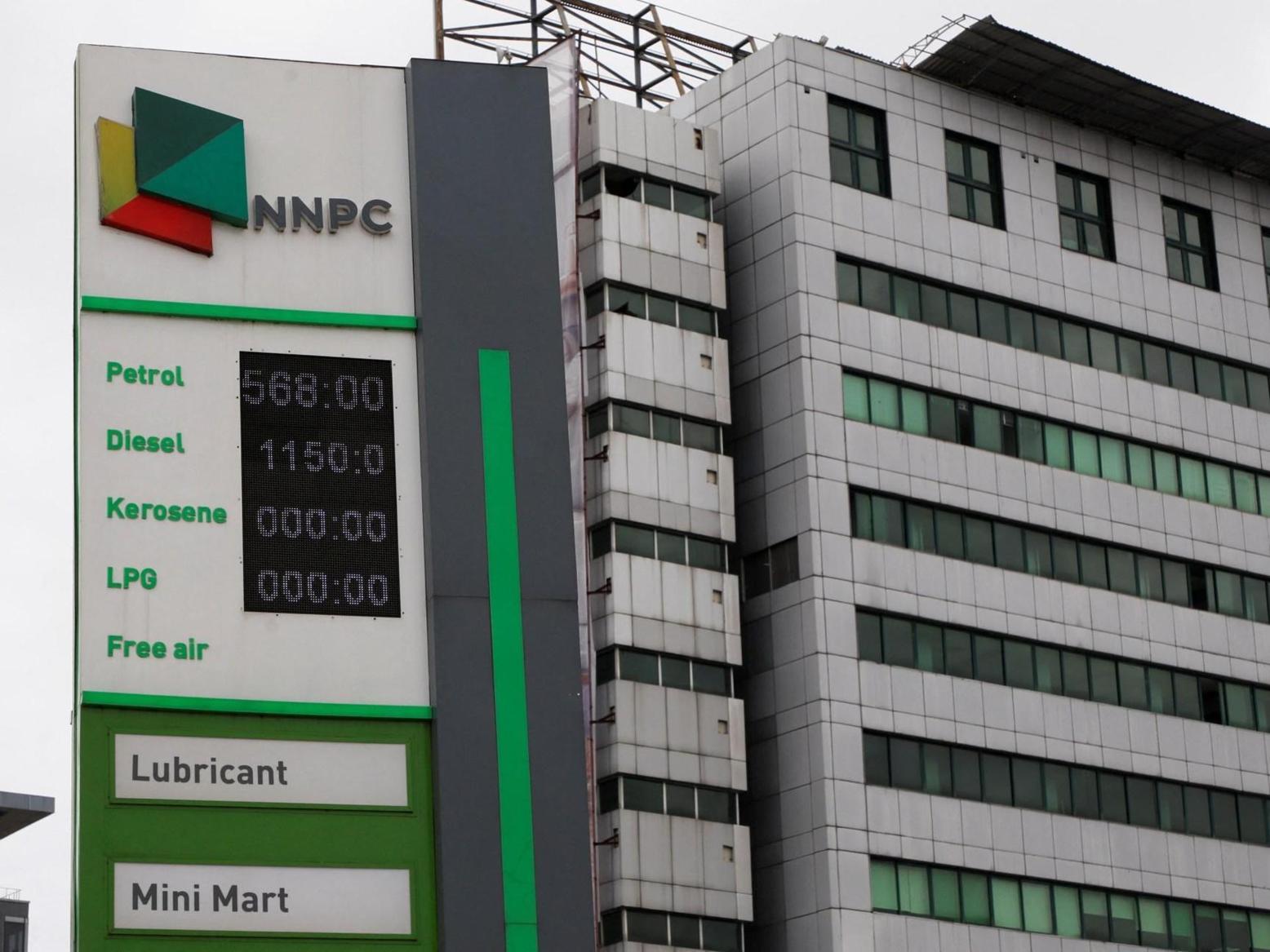
The Nigerian government has written off approximately $1.42 billion in old debts owed by the national petroleum company, following a thorough financial review. This decision, directed by President Bola Tinubu, aims to enhance financial transparency and accountability within the company, despite new debts accumulating in 2025.
Africa. Nigeria has written off approximately $1.42 billion in old debts owed by the national petroleum company, following a thorough review of financial records directed by President Bola Tinubu.
According to the official document, the company’s debts before the review amounted to about $1.48 billion and 6.33 trillion naira. After the audit, nearly 96% of the dollar obligations and 88% of the naira obligations were written off, with a limited portion of the balance remaining under monitoring.
Authorities explained that this move was based on recommendations from a committee that reviewed the interests of stakeholders related to oil production royalties and obligations until the end of 2024.
Despite the cancellation of old debts, the report revealed the accumulation of new debts during 2025, with obligations between January and October amounting to approximately $56.8 million and 1.02 trillion naira, as the repayment of most dollar amounts continues to face challenges.
Renewed Dispute Over Financial Transfers
This step comes amid a renewed dispute between the national petroleum company and the consulting firm “Periscope,” which was tasked by the Nigeria Governors’ Forum to investigate allegations of untransferred oil revenues totaling $42.37 billion from 2011 to 2017.
However, the company denied the allegations, asserting that all revenues were transferred, while “Periscope” maintained its findings indicating significant financial gaps, prompting the Federal Accounts Committee to require both parties to hold joint meetings to reconcile records.
Promises of Reform
The new CEO of the company, Baio Ogulary, has pledged to improve transparency and accountability since taking office, emphasizing that the company’s books will fully reflect compliance with financial regulations. Observers believe that the debt write-off represents a significant reset in the relationship between the company and the state, yet broader challenges in managing oil revenues remain, amid global demand fluctuations and production quotas set by OPEC.
Nigeria’s national petroleum company has faced ongoing financial challenges, including significant debts and disputes over oil revenue transparency. The recent debt cancellation is part of broader efforts to stabilize the company and improve its financial practices. The government is under pressure to ensure that oil revenues are effectively managed, especially given the country’s reliance on oil exports for economic stability.