
What You Need to Know
A recent analysis highlights the growing threat of crop pests to global food security, worsened by climate change. It predicts significant increases in losses for staple crops like wheat, rice, and corn as global temperatures rise. Urgent action is needed to diversify crops and enhance natural pest control methods to mitigate these impacts.
Africa. A recent analysis highlights the growing threat of crop pests to global food security, worsened by climate change. It predicts significant increases in losses for staple crops like wheat, rice, and corn as global temperatures rise. Urgent action is needed to diversify crops and enhance natural pest control methods to mitigate these impacts.
The analysis indicates that the destruction of global food supplies due to crop pests is significantly exacerbated by the climate crisis, with losses expected to rise sharply.
Experts confirm that the world has been fortunate to avoid a major shock thus far, emphasizing the need for measures to diversify crops and strengthen natural pest controls, including predatory species.
Scientists predict that losses from pests for key global crops—wheat, rice, and corn—could increase by 46%, 19%, and 31%, respectively, when global warming reaches two degrees Celsius.
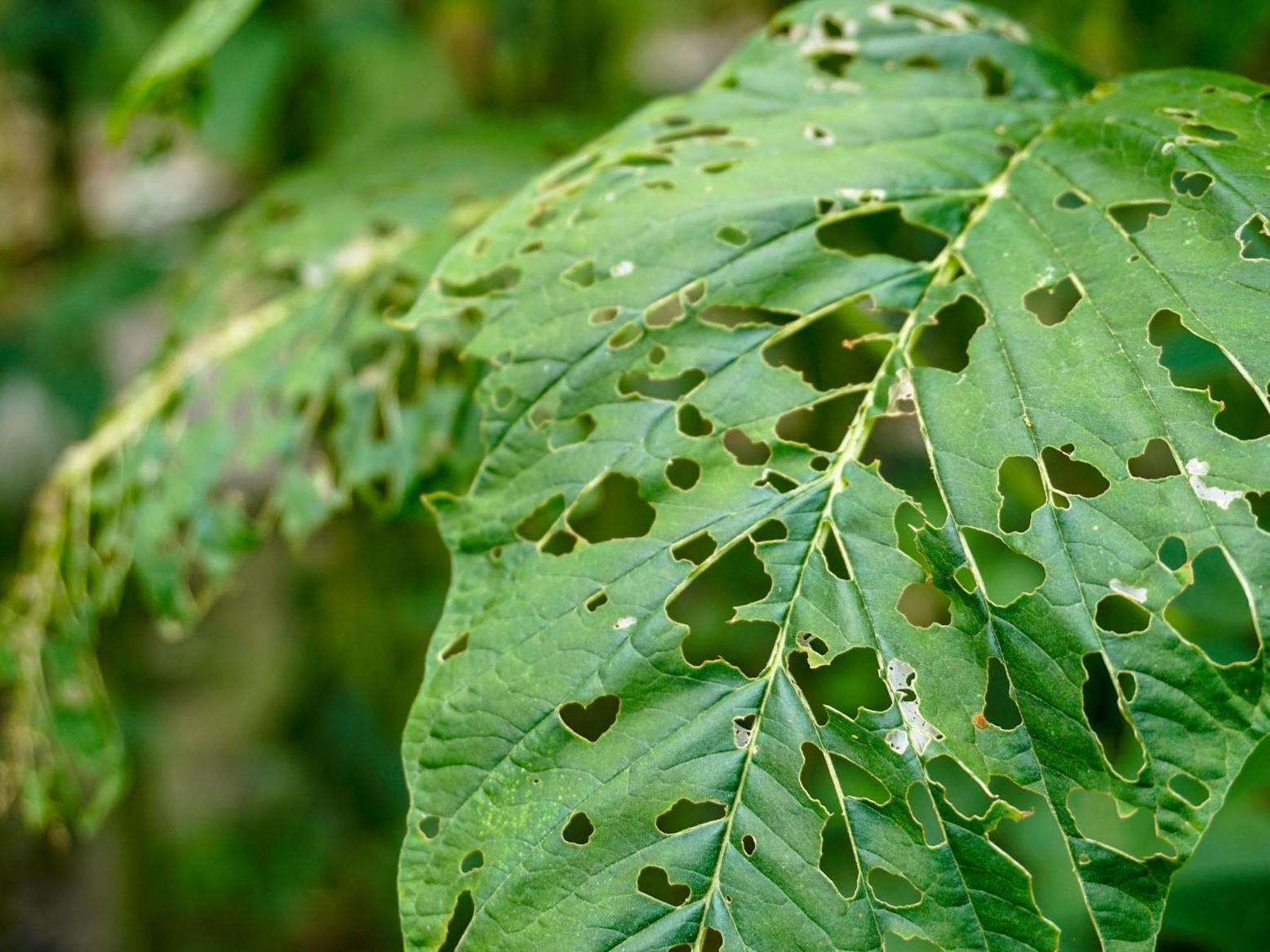
Global warming contributes to the proliferation of pests such as aphids, leafhoppers, larvae, locusts, and other agricultural pests. Rising temperatures allow these pests to reproduce more quickly and attack crops for longer periods, shortening winter seasons.
Higher temperatures also enable these pests to invade areas farther from the equator and higher altitudes that were previously too cold.
According to the analysis, the pest boom driven by climate change will be worst in temperate regions, such as Europe and the United States. However, temperatures may have reached a maximum for some insects in tropical areas, although converting agricultural land to tropical forests supports the proliferation of more pests.
Food Security Challenges
Pests are also rapidly spreading through food exports along global trade networks. At the same time, habitat destruction and excessive use of pesticides and fertilizers weaken natural pest predators, while expanding agricultural land creates new areas for pest invasion.
The analysis states that pests and diseases destroy about 40% of global agricultural production, posing a significant challenge to food security at both national and global levels, according to scientists.
The direct impact of the climate crisis on wheat, rice, and corn is expected to lead to crop reductions of between 6% and 10% for each one-degree Celsius increase in global temperatures.
Researcher Dan Piper from the University of Exeter in the UK stated, “The world’s focus is on staple grains—wheat, rice, corn, and soybeans—which is an overly simplified system vulnerable to impact. Monocultures, vast areas planted with a single crop, could be wiped out by a single pest.”
He added that simplifying agricultural methods and the intensive use of fertilizers and pesticides have saved millions from hunger, but this was in a world that did not experience rapid temperature increases, and where pests and pathogens had not intensified. We are now heading toward a critical moment, and the world must change its approach.
Scientists say that pest protection can be achieved in an environmentally friendly way by restoring natural habitats to increase the populations of parasitic wasps and other natural pest predators.
Piper emphasized that agricultural systems are at risk but can be maintained using fungicides and insecticides, which is acceptable as long as they are effective. However, we face the development of pesticide resistance, which calls for diversification as a strategy to help make agricultural systems more resilient.
Diversification may also include planting different crop varieties together and integrating crop production with livestock farming. Examples include traditional systems in Japan where ducks feed on snails and insects attacking rice, and in the UK where sheep graze on winter wheat, removing leaves infected with fungal diseases.
The analysis also noted that artificial intelligence could enhance crop protection by analyzing field and weather data to predict pest outbreaks and devise strategies to combat them.
The relationship between climate change and agriculture has become increasingly critical as global temperatures rise. Historically, agricultural practices have adapted to changing climates, but the current pace of climate change poses unprecedented challenges. Crop pests thrive in warmer conditions, leading to increased losses in food production, which is a significant concern for food security worldwide.