What You Need to Know
The ruling party in the Central African Republic has firmly rejected opposition leader Anicet-Georges Dologuélé’s claim of victory in the presidential elections held on December 28. The official results are expected on January 5, amid rising political tensions and fears of unrest in the country, which has faced ongoing crises for decades.
Africa. The ruling party in the Central African Republic has firmly rejected opposition leader Anicet-Georges Dologuélé’s claim of victory in the presidential elections held on December 28. The official results are expected on January 5, amid rising political tensions and fears of unrest in the country, which has faced ongoing crises for decades.
The spokesperson for the ruling National Movement of the United party, Évariste Nganana, stated that Dologuélé’s remarks are “false” and could lead to “unrest,” emphasizing that “none of the candidates has the right to declare themselves the winner.” He added that “the preliminary indicators do not lie,” referring to his confidence in the re-election of the incumbent president, Faustin-Archange Touadéra. Nganana asserted that the Central African Republic is “gradually emerging from a history burdened by recurring political crises,” stressing that all political actors bear a “special responsibility to maintain peace.”
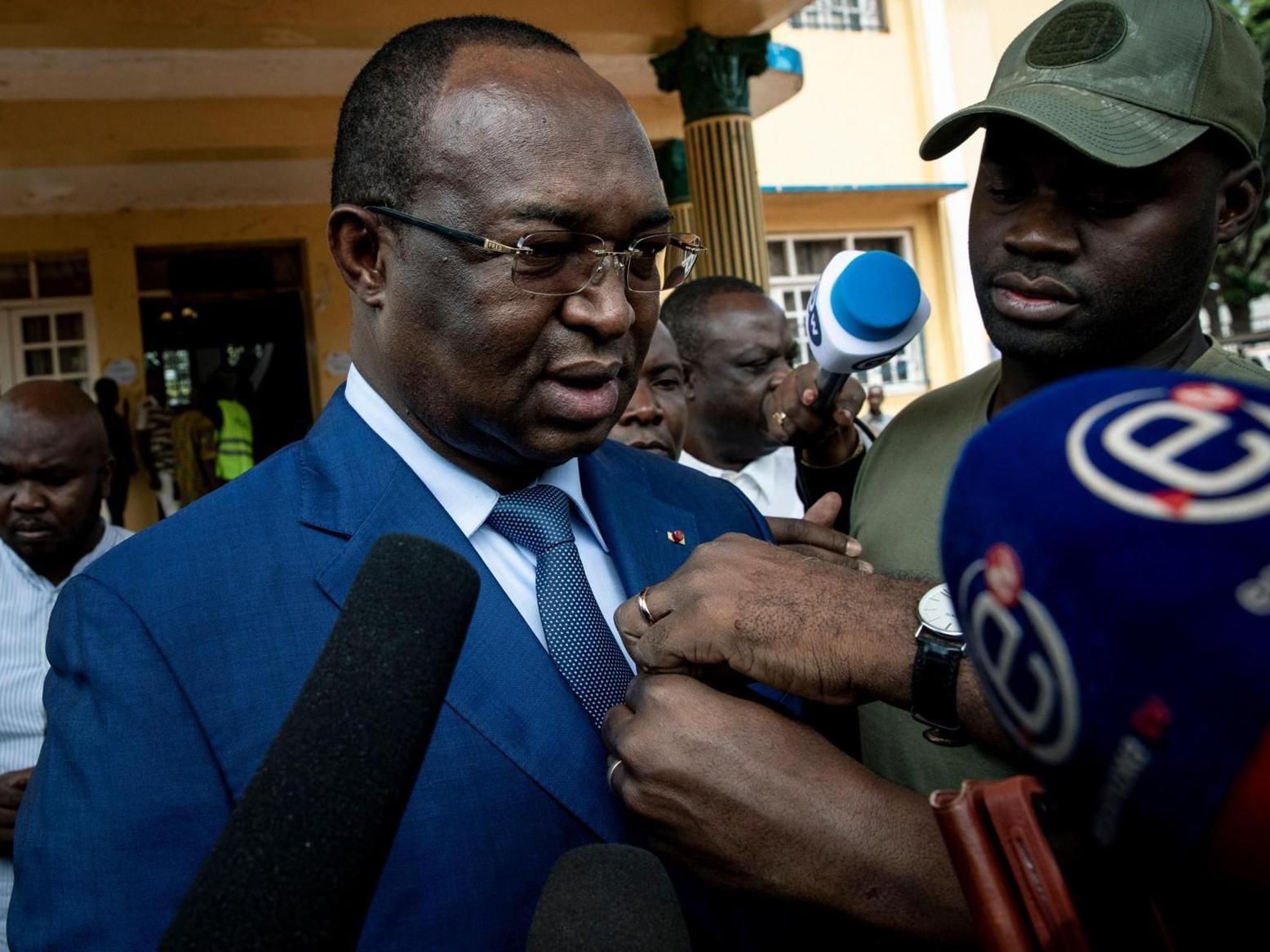
Dologuélé held a press conference where he announced his victory in the presidential race for the third time, accusing the authorities of committing “serious violations” during the electoral process.
The public in the Central African Republic is awaiting the preliminary results on Monday, amid concerns that the exchanged statements between the government and the opposition could escalate political tensions in a country suffering from recurring crises for decades.
These developments come amid ongoing political debate regarding the electoral process in the country, where President Touadéra has faced widespread criticism since enacting a new constitution in 2023 that allows him to remain in power. He was first elected in 2016 and re-elected in 2020 in a vote marred by allegations of fraud.
The Central African Republic has a tumultuous political history marked by coups and civil unrest. Since gaining independence in 1960, the country has struggled with governance and stability, leading to repeated cycles of violence and political upheaval. Recent elections have been contentious, with accusations of electoral fraud and manipulation, further complicating the political landscape and the prospects for peace and democracy in the region.