What You Need to Know
The Congolese Labour Party (PCT) has officially nominated President Denis Sassou Nguesso as its candidate for the presidential election scheduled for March 22, 2026. This decision was made during the party’s sixth ordinary congress in Brazzaville, where the ruling party emphasized stability and continuity as key themes of the candidacy, despite criticism from opposition groups.
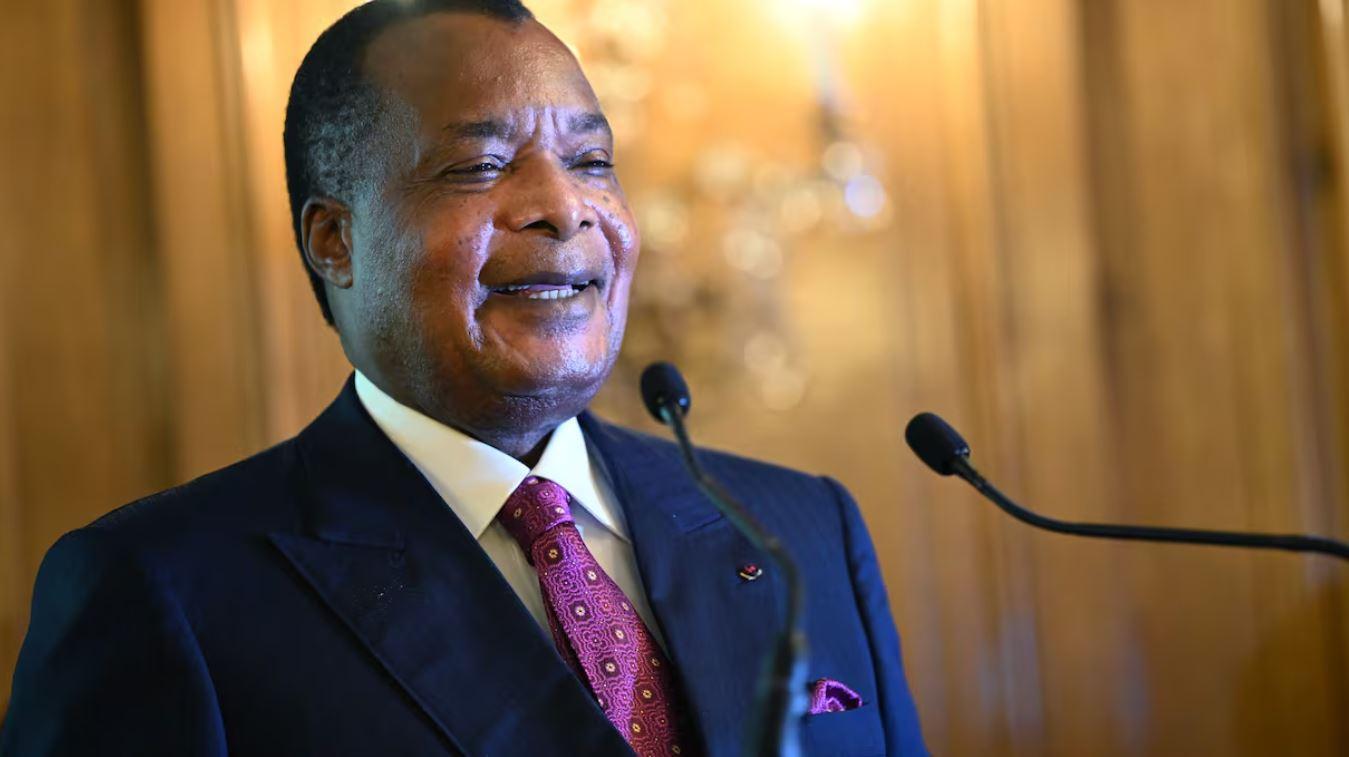
Africa. The Congolese Labour Party (PCT) has nominated President Denis Sassou Nguesso, 82, as its candidate for the presidential election scheduled for 22 March 2026 in the Republic of the Congo. The decision was announced after the party’s sixth ordinary congress, held in Brazzaville from 27 to 30 December, with more than 3,000 delegates from across the country and the diaspora, while the president did not attend the congress proceedings.
During the gathering, the party also granted the president an internal honorary rank described as symbolic. The ruling camp frames the candidacy around “stability” and “continuity” and highlights the president’s “experience” as a central argument.
Sassou Nguesso’s political tenure spans decades: he led the country from 1979 to 1992, lost the first multiparty election to Pascal Lissouba, then returned to power in 1997 following a civil war. He was elected in 2002 and re-elected in 2009, and a 2015 constitutional change removed the two-term limit, enabling further bids for office.
The election is set for 22 March 2026, with members of the armed forces due to vote five days earlier—an arrangement that has been used in previous polls, according to the same reporting.
The nomination triggered criticism from civil society and opposition figures calling for a transfer of power. Some activists describe the system as “locked,” while opposition leaders argue the PCT is determined to retain control at the top of the state.
In April 2023, several extra-parliamentary opposition groups launched the “Alliance for Democratic Alternation in 2026,” bringing together parties including the RDD, MR, and PAPE. The broader political backdrop also includes the continued detention of two prominent 2016 opposition candidates, Jean-Marie Michel Mokoko and André Okombi Salissa, who received heavy sentences after disputing official election results.
Denis Sassou Nguesso has been a dominant figure in Congolese politics for decades, first leading the country from 1979 to 1992 before returning to power in 1997 after a civil war.
His presidency has been marked by significant political changes, including a 2015 constitutional amendment that removed term limits, allowing him to run for additional terms.
The political landscape in Congo has been characterized by a lack of opposition power and ongoing calls for democratic reforms, especially from civil society groups.