Africa-Press. The World Health Organization announced the first confirmed recovery from the Ebola virus in the Democratic Republic of the Congo, a development seen as a positive indicator amid a widespread outbreak that has claimed hundreds of lives.
The announcement coincided with a field visit by the organization’s director-general, Tedros Adhanom Ghebreyesus, to the country, which included the capital Kinshasa and Ituri Province, the epicenter of the outbreak. He pledged to make every effort necessary to contain the spread of the disease.
The organization stated that the first patient confirmed to have contracted the virus and subsequently recovered has left the treatment center and returned home after completing the required medical procedures.
In this context, the viral hemorrhagic disease expert at the World Health Organization, Anaïs Legrand, explained during a press briefing in Geneva that the patient recovered and left the hospital after receiving two consecutive negative laboratory test results, confirming that he is the first patient allowed to leave the healthcare center since the outbreak was announced.
Tedros arrived in Kinshasa on Thursday evening for a visit aimed at monitoring field efforts to combat the disease before heading to Ituri Province in the northeast, where the majority of infections are concentrated.
Tedros confirmed that the current Ebola outbreak “can be contained and controlled,” emphasizing that success in this requires close cooperation between national authorities, international partners, and local communities.
He stated, “This outbreak can be stopped,” adding that the organization does not support travel restrictions as an effective means to combat the spread of the disease, explaining that such measures do not yield significant results in reducing transmission. He added, “Together we will overcome this outbreak,” committing to provide all possible support to the health authorities in the country.
According to the latest data released by the World Health Organization as of May 24, there have been 10 confirmed deaths related to Ebola and 223 suspected deaths since the outbreak was announced in mid-May.
The organization also noted that more than a thousand confirmed and suspected cases of the virus have been reported, warning that the actual numbers may be much higher than current statistics due to difficulties in accessing some affected areas and limited surveillance capabilities in several locations.
This is the seventeenth outbreak of the Ebola virus in the Democratic Republic of the Congo, which has a population of over 100 million and has experienced repeated waves of the disease over the past decades.
The outbreak is currently spreading in three provinces within the country, but Ituri Province in northeastern Democratic Republic of the Congo remains the primary focus of the outbreak.
Ituri borders Uganda and South Sudan and experiences heavy movement due to mining activities, particularly gold extraction, which increases the likelihood of transmission between neighboring regions and countries.
Health response teams face additional challenges due to ongoing armed clashes between competing local groups, which limit medical personnel’s ability to reach some affected areas.
The virus has also spread to North Kivu and South Kivu provinces, where the March 23 Movement has controlled large areas of land since 2021, amid escalating confrontations in recent months.
In a direct message to the warring parties in eastern Democratic Republic of the Congo, Tedros called for a cessation of hostilities to facilitate health response efforts.
He stated that armed conflict and widespread displacement make combating the disease more difficult, adding, “I make a direct appeal to all warring parties: please declare a ceasefire.”
He added that any political disputes or conflicts cannot justify putting civilians at risk of death from a disease that can be mitigated through appropriate health interventions.
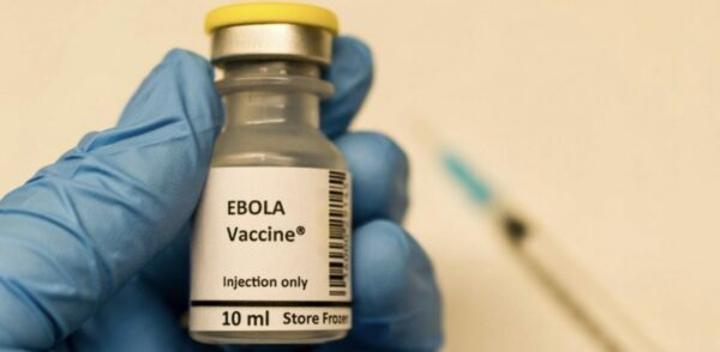
Currently, there is no approved vaccine or treatment for the Bundibugyo strain of the Ebola virus, which is responsible for the current outbreak in the Democratic Republic of the Congo.
However, the head of the Africa Centers for Disease Control and Prevention, John Nkengasong, expressed optimism about the possibility of providing an effective vaccine against this strain before the end of the year.
He stated during a video press conference that African governments are ready to invest in the scientific, technical, and strategic aspects necessary to develop the vaccine and ensure its production and availability.
The World Health Organization announced that its advisory committees recommended conducting clinical trials on promising vaccines and treatments that may help combat the Bundibugyo strain, confirming that it will work in coordination with the Democratic Republic of the Congo and Uganda to facilitate evaluation and research operations.
The World Health Organization reported that 4.6 tons of medical and logistical supplies have arrived at Bunia Airport, the capital of Ituri Province, to support field response efforts.
For its part, UNICEF announced that it is preparing to send about 100 tons of humanitarian and health assistance to affected areas.
In this context, Uganda, which has reported one confirmed death and six other infections related to the virus, has closed its borders with the Democratic Republic of the Congo as a precautionary measure to limit the spread of the disease.
The United States confirmed that it will not allow anyone infected with Ebola to enter its territory, while the administration of President Donald Trump is working to open a treatment center in Kenya dedicated to American citizens infected with the virus.
The project has sparked debate within Kenya, where a human rights organization has filed a legal request to limit the activities of any such facility, while health officials have warned that operating a specialized center could impose additional pressures on the Kenyan health system.
Over the past five decades, the Ebola virus has caused the deaths of more than 15,000 people in Africa. The outbreak that occurred in the Democratic Republic of the Congo between 2018 and 2020 remains the deadliest in the country’s history, claiming the lives of approximately 2,300 out of 3,500 recorded infections.