
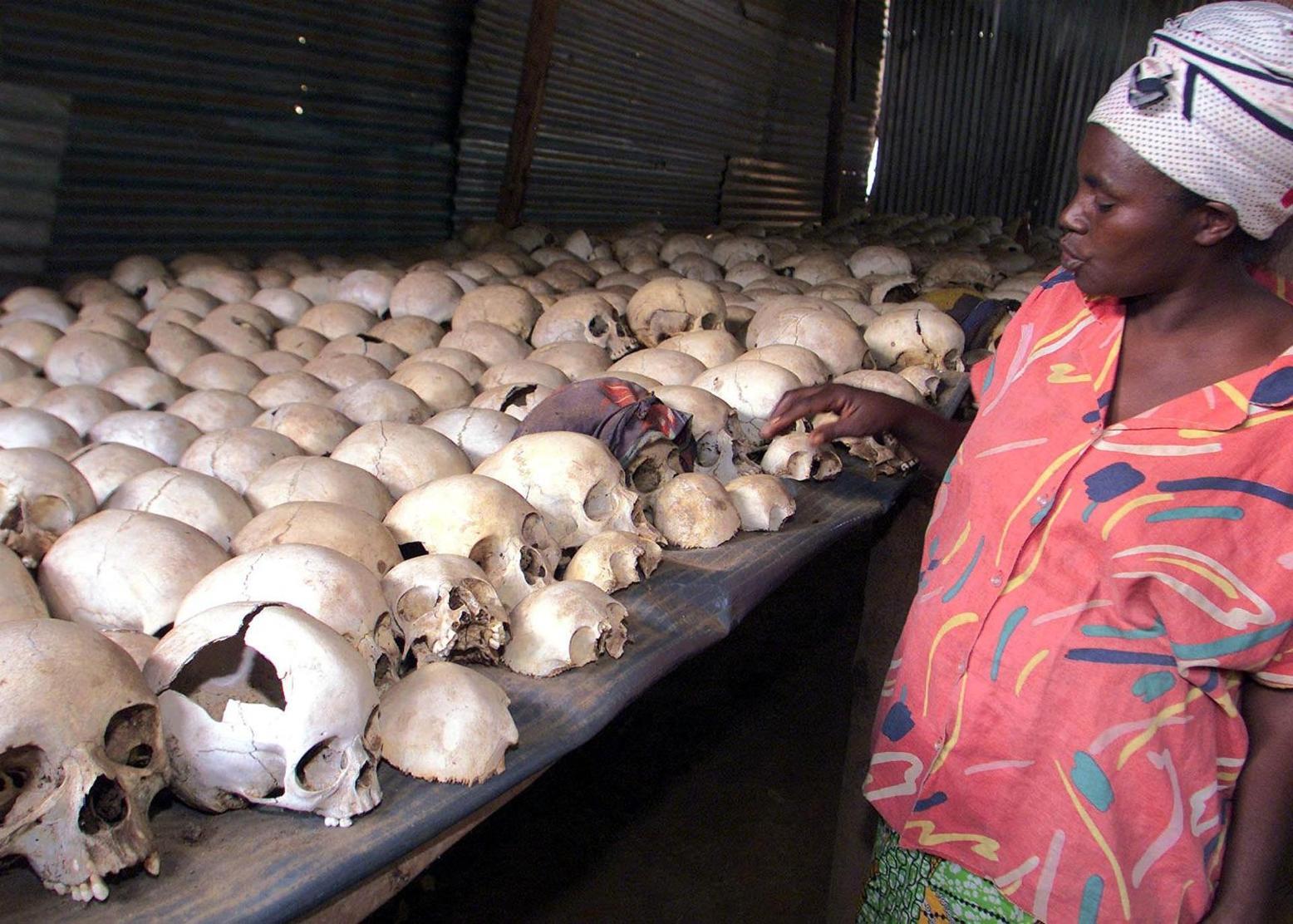
What You Need to Know
A new complaint has been filed against the Banque de France, accusing it of complicity in the Rwandan genocide. The complaint, presented by activists, cites financial transactions that allegedly funded weapons and communication equipment during the genocide, which resulted in the deaths of approximately 800,000 people in 1994.
Africa. Dafroza and Alain Gauthier, known for pursuing those responsible for the genocide in Rwanda on French soil, along with the “Civil Coalition for Rwanda,” have filed a new complaint with judges investigating crimes against humanity in Paris. They accuse the Banque de France of “complicity in genocide and crimes against humanity,” 31 years after the Tutsi genocide.
According to information gathered by a local source and the investigative unit of a French media outlet, a new complaint was submitted on December 4 to the chief investigating judge in the crimes against humanity section of the Paris court. This complaint targets the country’s main financial institution: the Banque de France.
The complaint is based on seven financial transfers from the Rwandan National Bank account at the Banque de France between May and August 1994, totaling 3.17 million French francs (approximately 486,000 euros). These funds are suspected to have been used to purchase communication equipment and weapons, despite a United Nations embargo imposed on May 17, 1994.
The investigation relies on the testimony of international expert Kathy Lynn Austin, who confirmed that “specific instructions” were given to banks to transfer funds to the Rwandan National Bank account in Paris. She added, “When the Banque de France facilitated these seven transactions, it should have raised suspicions.”
She emphasized that the extensive media coverage of the genocide and the dominance of an unconstitutional transitional government over public accounts were sufficient to render those transfers “suspicious or illegal.”
The Banque de France responded that it has no record of any of these transfers, explaining that documents are destroyed after ten years and that the amounts of the transfers “may be consistent with operational expenses.” Alain Gauthier criticized the “extremely slow pace of cases related to the genocide,” hinting that similar cases, such as the complaint against BNP Paribas in 2017, are “sitting in drawers.” Mariama Kita, close to François-Xavier Verschave, noted that she continues to fulfill the “promise she made” to investigate the role of other French banks.
It is noteworthy that Verschave was among the first to expose the violations known as “Françafrique” and to highlight the responsibility of France and some of its banks in the Rwandan genocide.
Rwanda experienced horrific massacres beginning in April 1994 after the downing of President Habyarimana’s plane, where extremist Hutu militias carried out a systematic killing campaign against the Tutsi minority and Hutu opponents, resulting in the deaths of approximately 800,000 people over 100 days.
Coverage by a major news outlet confirms that the international community was slow to intervene, and that local and foreign financing and arms networks facilitated the continuation of the killings, making accountability for the involved parties—including financial institutions—a central part of subsequent justice battles.
The Rwandan genocide occurred in 1994, marked by the systematic slaughter of the Tutsi minority by Hutu extremists, resulting in the deaths of around 800,000 individuals over a span of 100 days. The international community faced criticism for its delayed response, and various financial institutions have been scrutinized for their potential involvement in facilitating the genocide through funding and arms supplies.