What You Need to Know
The military in Guinea-Bissau has justified its recent coup by citing the risk of an ethnic civil war following last month’s elections. This marks another chapter in the country’s tumultuous history of political instability and military interventions since gaining independence from Portugal in 1974.
Africa. The military in Guinea-Bissau announced that its seizure of power was due to what it described as the “risk of an outbreak of ethnic civil war” following the elections held last month. This coup represents the latest episode in a series of military takeovers that have plagued the country since its independence from Portugal in 1974.
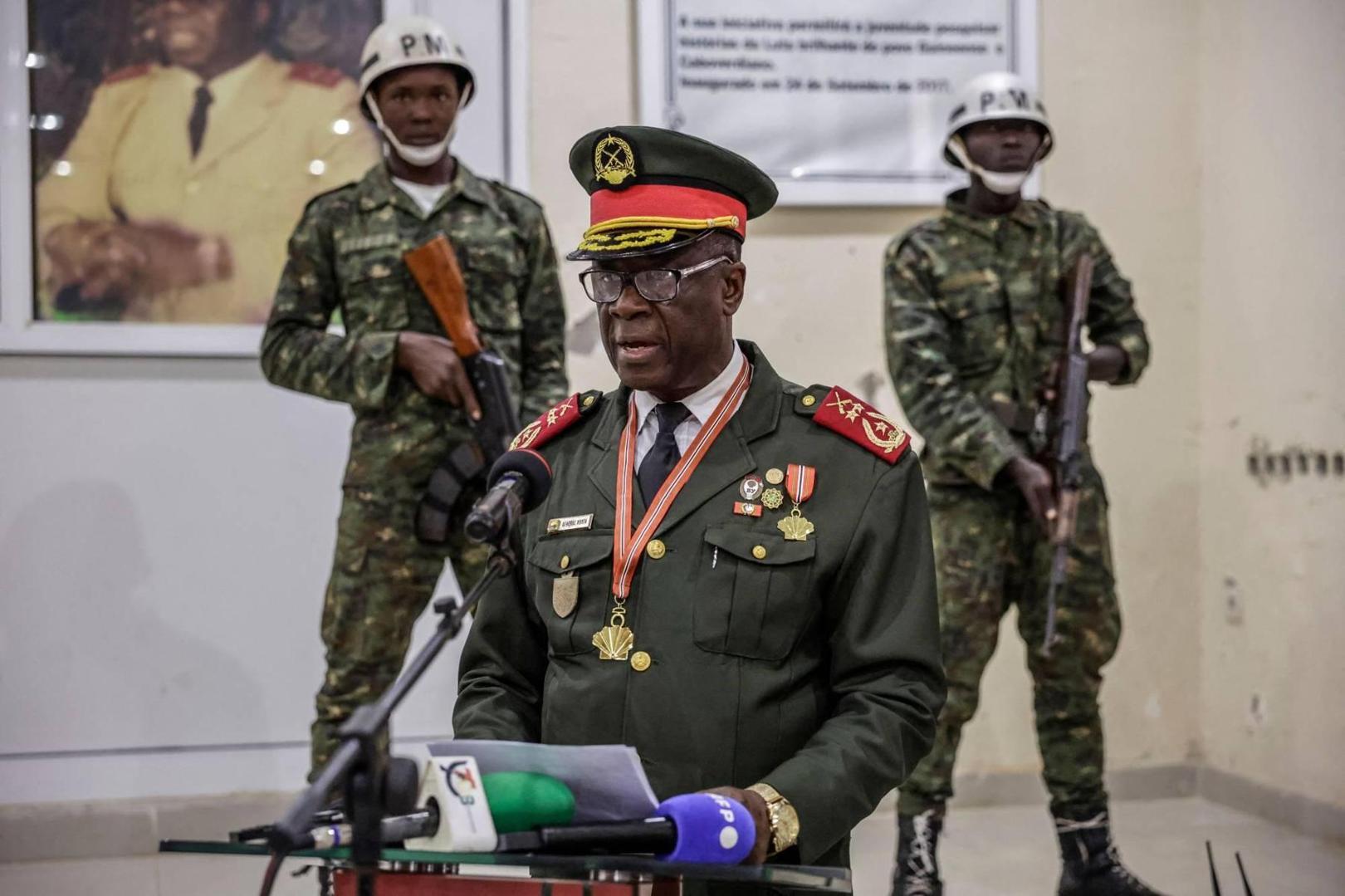
On November 26, the military ousted President Umaro Sissoco Embaló, initially citing the presence of “drug trafficking networks” seeking to create chaos. However, they later confirmed in a document announcing the formation of the “Transitional Advisory National Council” that the country faces a “dangerous” political situation that could escalate into civil war.
A decision issued by the military leadership stated that “the armed forces were once again compelled to intervene, leading to a new change in the constitutional order by force.”
The electoral commission announced last Tuesday that it was unable to publish the results of the recent presidential and legislative elections after unknown individuals stormed its offices on the day of the coup and destroyed its records.
In the elections held on November 23, the ousted President Embaló competed against his rival, Fernando Dias, who unilaterally declared himself the winner.
The military appointed General Horta Inta, a close associate of Embaló, to lead a transitional administration for one year.
It is noteworthy that Guinea-Bissau has a troubled history, having experienced four coups and numerous failed attempts since its independence, making it one of the most politically volatile countries in West Africa.
Guinea-Bissau has a long history of political turmoil, marked by multiple coups and failed attempts since its independence from Portugal in 1974. The country has experienced four successful coups and numerous other attempts, making it one of the most politically unstable nations in West Africa. This instability has often been fueled by ethnic tensions and struggles for power among various factions.