
What You Need to Know
In Guinea, the presidential elections held on December 28 have been marked by a significant boycott, according to opposition claims. While the electoral authority reported an 85% voter turnout, local and international media described the participation as low. The opposition coalition has criticized the elections as a political charade aimed at maintaining power.
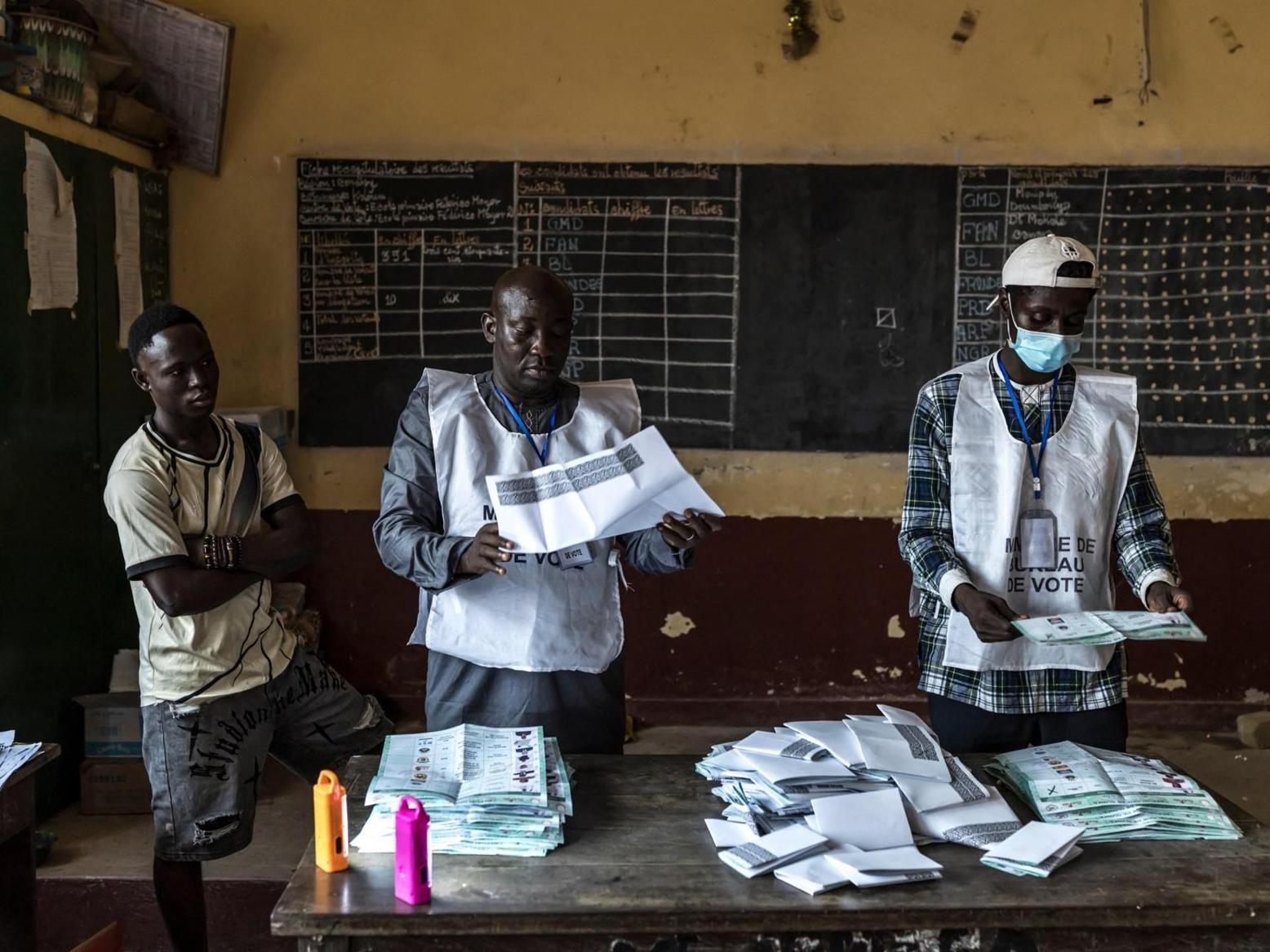
Africa. Vote counting continues in Guinea following the presidential elections held on Sunday, December 28, which were expected to conclude four years of a transitional phase led by General Mamadi Doumbouya after he came to power following a military coup. Approximately seven million voters were called to choose a new president, with authorities claiming high participation, while the opposition asserts that there was widespread public boycott.
The Director General of Elections announced that the participation rate was 85% of registered voters, just one hour after polling stations closed. However, local and international media authorized to cover the electoral process painted a different picture, reporting “weak turnout” and “lack of enthusiasm” at polling centers.
The National Alliance for Alternation and Democracy, an opposition coalition that includes prominent figures in exile or prison, stated that its call for a boycott received widespread support. Media officer Souleymane Souza Konate remarked that what is happening is “the final act of a political play aimed at keeping Mamadi Doumbouya in power through force and deception,” emphasizing that “the vast majority of Guineans abstained from voting.”
The United Nations High Commissioner for Human Rights expressed concern just hours before the polls opened regarding “intimidation of opponents, enforced disappearances, and restrictions on press freedom,” warning that these violations could undermine the credibility of the entire electoral process.
Guinea has experienced political turmoil since a military coup led by General Mamadi Doumbouya in 2021. The coup followed years of unrest and dissatisfaction with the previous government. The current elections were intended to transition the country back to civilian rule, but the opposition’s call for a boycott reflects ongoing tensions and distrust in the electoral process, exacerbated by reports of intimidation and media restrictions leading up to the vote.


