
What You Need to Know
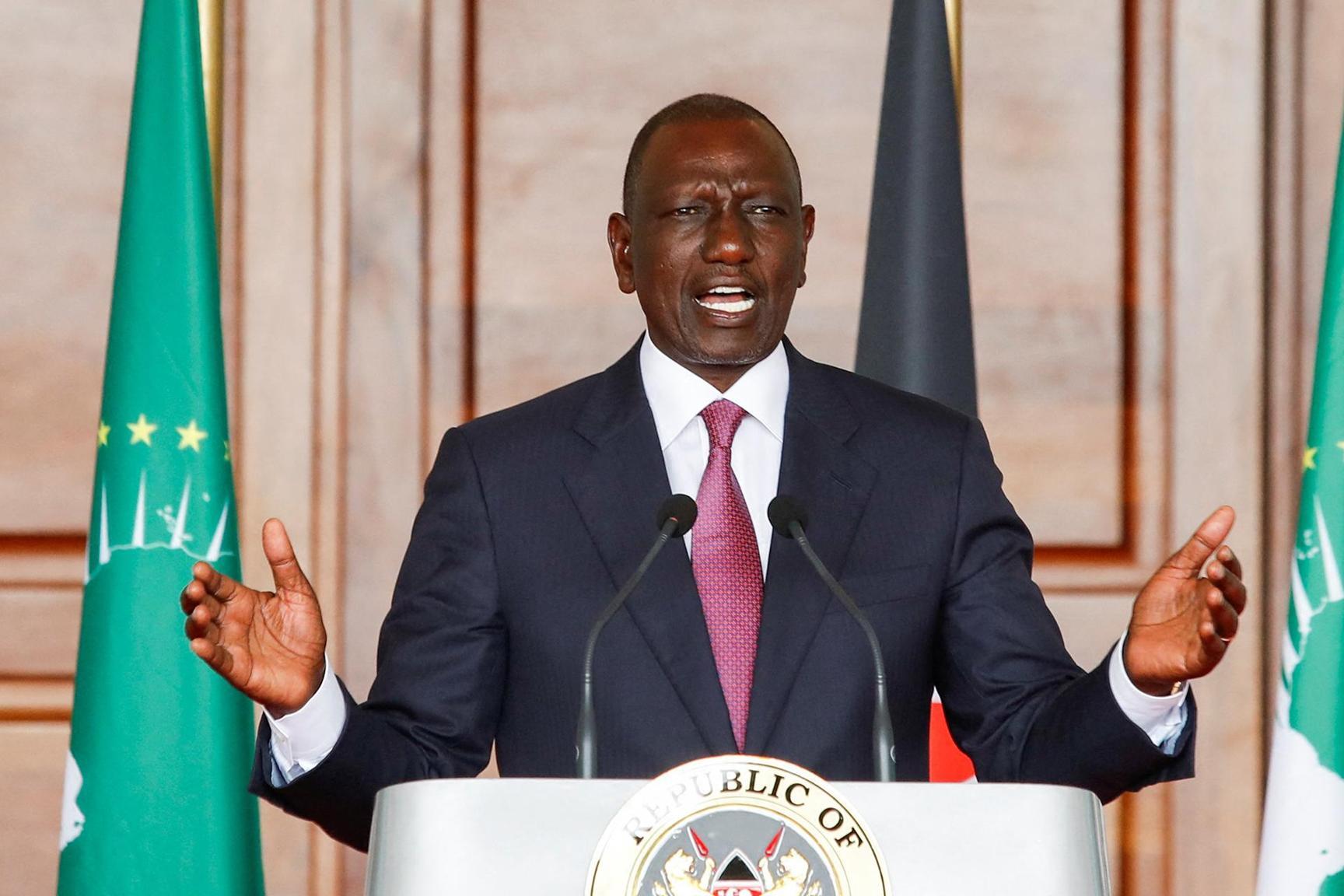
Kenyan activist Harrison Mumia has appeared in court facing charges of sharing AI-generated images that suggest President William Ruto is dead. The prosecution claims these images were posted on a fake Facebook account and Mumia’s personal Instagram. Mumia has denied the charges, and the judge has set strict bail conditions, including a financial bond and travel restrictions.
Africa. Kenyan activist Harrison Mumia has appeared in court facing charges of sharing AI-generated images that suggest President William Ruto is dead. According to the indictment dated Monday, January 5, 2026, the images were posted on Tuesday, December 30, via a fake Facebook account and Mumia’s personal Instagram account, which the prosecution deemed “false publications” under the Computer Misuse and Cyber Crimes Act.
Mumia has denied all charges against him, leading the judge to impose strict bail conditions, including a financial bond of one million Kenyan shillings (approximately $7,750), with an option to pay half a million shillings in cash, as well as surrendering his passport and being prohibited from traveling, as confirmed by his lawyer, Levi Munyiri.
This case comes months after the trial of activist Rose Njiri, who faced charges for creating an electronic system that allowed users to send automated messages to the Kenyan Parliament’s Finance Committee, disrupting the committee’s official operations. She was released on a personal bond of 100,000 Kenyan shillings.
Both cases highlight the increasing challenges faced by Kenyan authorities in dealing with new uses of technology and artificial intelligence, particularly concerning freedom of expression, information dissemination, and the impact of digital tools on political institutions.
The case against Harrison Mumia follows a broader trend in Kenya regarding the regulation of digital content and freedom of expression. Recent months have seen increased scrutiny of online activities, particularly those involving artificial intelligence and misinformation. This reflects the government’s ongoing struggle to balance technological advancements with the protection of civil liberties and political stability.