What You Need to Know
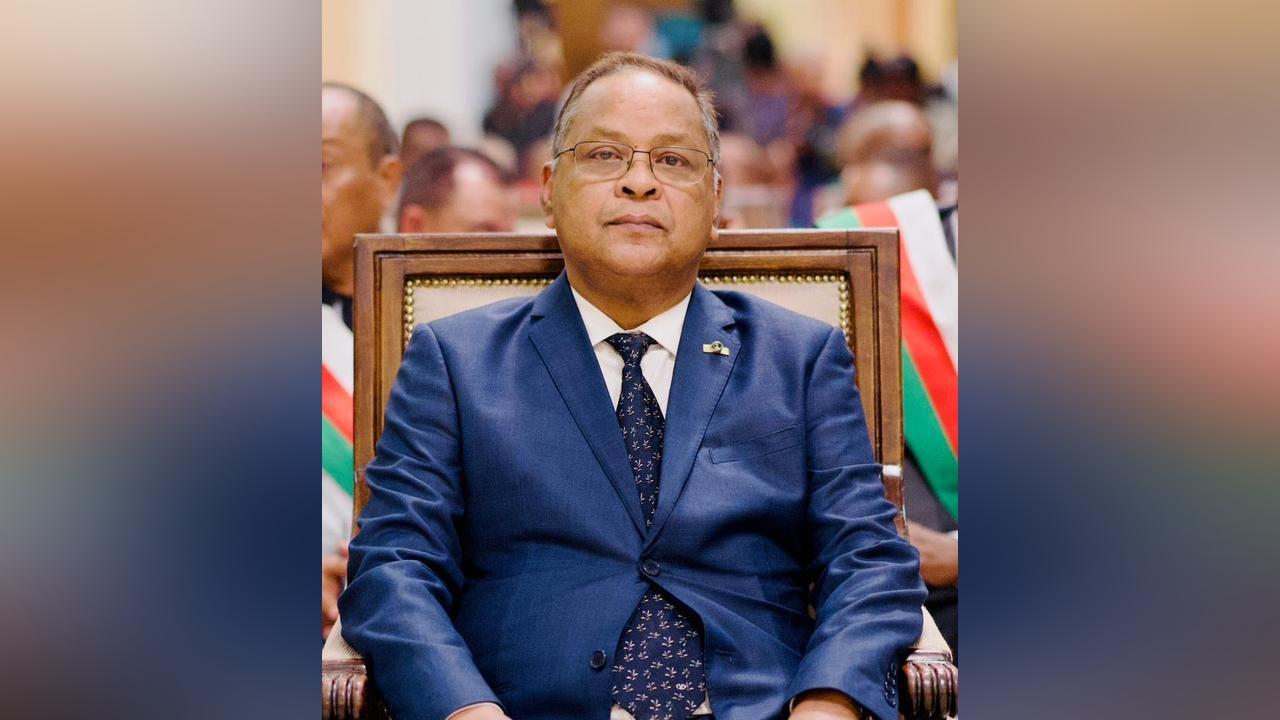
In his first extensive interview since taking office, Madagascar’s Prime Minister, Christian Ntsay, emphasized the importance of transparency and law enforcement. He assured the public that all government officials would be held accountable, and he proposed digitizing bidding processes to combat corruption. However, some sensitive issues were notably absent from the discussion, raising questions.
Africa. Prime Minister of Madagascar, Christian Ntsay, conducted his first extensive press interview since taking office, broadcasted on national television and featuring several private channels.
This interview comes as the new authorities seek to reassure the public about the direction of the upcoming phase, at a time when many millennials and civil society organizations express clear reservations regarding the transitional path the country has taken.
During the meeting, attended by four journalists alongside a spokesperson for the millennials, the Prime Minister emphasized that transparency is the cornerstone of the new government’s work.
He stated that he has issued explicit instructions to all members of his government to provide regular reports to the media regarding their activities and the performance of their ministries, asserting that citizens’ awareness of government operations is a fundamental right that cannot be compromised. He also presented himself as an advocate for the rule of law, believing in its necessity to be applied without exception or discrimination.
Ntsay remarked, “Our primary mission is to enforce the law, and nothing but the law.” He added that any government official who abuses their power or exceeds the boundaries of the law and constitution will not enjoy any special immunity, stressing that such cases will not be referred to the Supreme Court but to the competent ordinary courts.
The Prime Minister addressed the reality of cases pending before the Supreme Court, noting that several ministers are involved in files presented to it, questioning critically: “Have you ever seen a ruling issued in any of these cases?” He affirmed that “the application of the law must begin first with the ideal conduct of leaders and officials.”
Among the contentious issues discussed by the Prime Minister during the interview was the state of national roads, most of which suffer from significant deterioration in infrastructure and poor technical conditions. Ntsay expressed regret over how these projects were managed in the past, stating: “The management of funds was not professional, bidding calls were extremely limited, and the contractors assigned to the work did not adhere to the required specifications.” He considered that this reality directly contributed to the spread of corruption and the waste of public resources.
In an attempt to propose practical solutions, the Prime Minister indicated that the government intends to adopt a digitization system for the bidding processes, considering this step an essential mechanism to reduce corruption, enhance transparency, and ensure equal opportunities among competitors. He affirmed that updating management and adopting digital means has become an urgent necessity to ensure the proper use of public funds and restore citizens’ trust.
Despite the wide range of topics addressed by the Prime Minister, the interview did not cover several sensitive issues that concern public opinion in Madagascar, including the recent visit of a Russian military delegation to the country and relations with the West, as well as a series of controversial appointments in the Constitutional Court and around the presidency. This omission raised questions among some observers about the new government’s readiness to open all contentious files and discuss them transparently with citizens.
Madagascar has faced significant political and economic challenges in recent years, particularly during its transitional phases. The current government aims to restore public trust and improve governance by addressing corruption and enhancing transparency. The Prime Minister’s recent commitments reflect a broader effort to stabilize the political landscape and engage with civil society, especially the youth and various organizations.